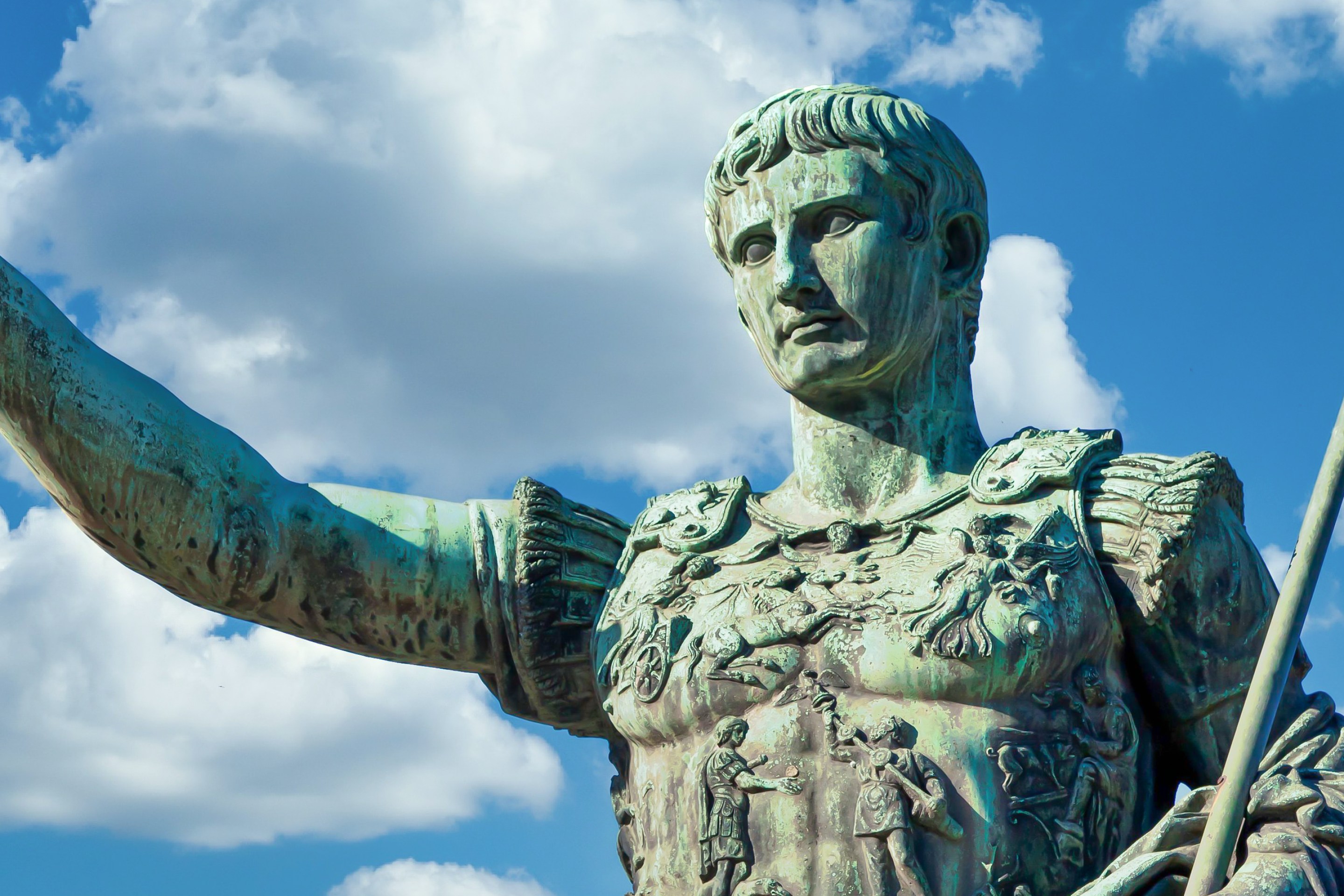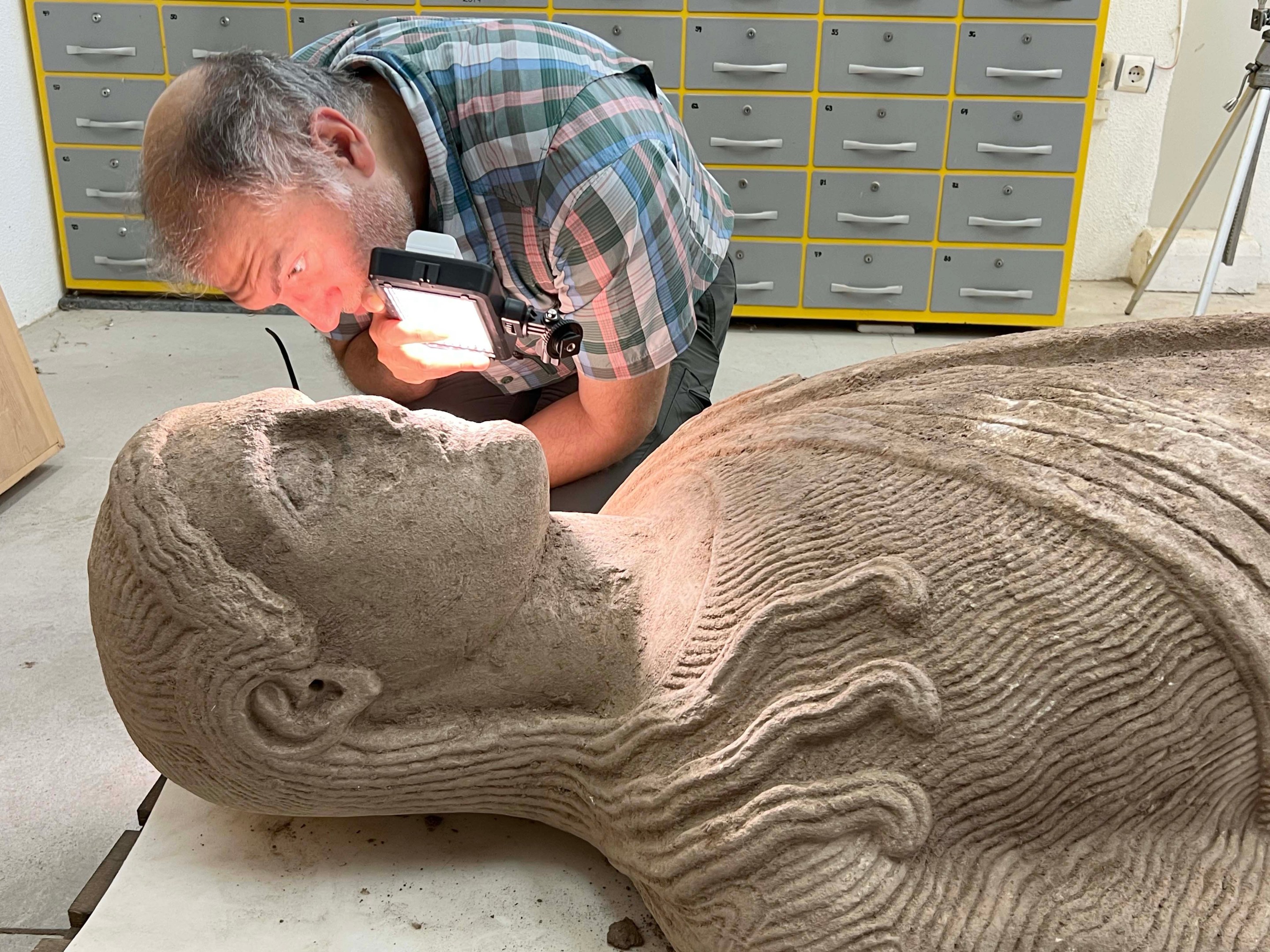
Imagine you’re such a prominent figure in the ancient Lydia kingdom that an artist sculpted a 7-foot statue of you. Only to later experience the ultimate indignity: Having that 7-foot sculpture of you broken up and recycled as paving slabs.
That’s the story of a mysterious 2,500-year-old marble statue that archaeologists working at the Sardis site in what is now western Turkey recently discovered. The statue had been halved and placed face down along a major Roman colonnaded avenue. The Romans arrived in Sardis in 133 BCE, and apparently weren’t too reverential when it came to Lydian art and sculpture.
“It’s very rare to find such monumental sculptures of this period anywhere in the Mediterranean, and this exceptionally well-preserved, unique monument casts important new light on the major arts of Lydia, and on the Lydians’ ties to their own past,” Nicholas Cahill, field director of the Archaeological Exploration of Sardis (AES), said in a statement.
Read more: “How the Statutes of Easter Island Walked Into Place”
The figure is wearing a Greek chiton (a thin tunic) and a diagonally wrapped mantle, as well as a garment with horizontal folds that may be local but is difficult to place. With an upright stance and long, coiffed hair, the statue appears traditional in some respects. However, given the estimated date of construction of 470-450 BCE, the aesthetic doesn’t exactly fit the timeline.
“This sculptor knows about contemporary styles in Mediterranean and Anatolian sculpture, the interest in hands, and the structure of the face and so forth, and yet [the statue is] wearing clothes from 100 years earlier,” Cahill said. “I think they’re very clearly looking back to their own past.”
At the time the statue was sculpted, Sardis would have been ruled by the Achaemenid Persians and served as a major provincial center rather than an independent capital. Either way, it’s unclear who the statue is of, or what its significance might have originally been. One theory is that it was placed near the sanctuary of the native mother goddess Cybele, a significant spot in Sardis.
Part of the problem in understanding the statue’s meaning is that the Lydians left little behind in the way of written records, and much of what we know about them comes from Greek and Roman perspectives. It’s hard to deny, though, that at some point in time, it had quite the fall from grace. 
Enjoying Nautilus? Subscribe to our free newsletter.
Lead Image: Archaeological Exploration of Sardis/President and Fellows of Harvard College