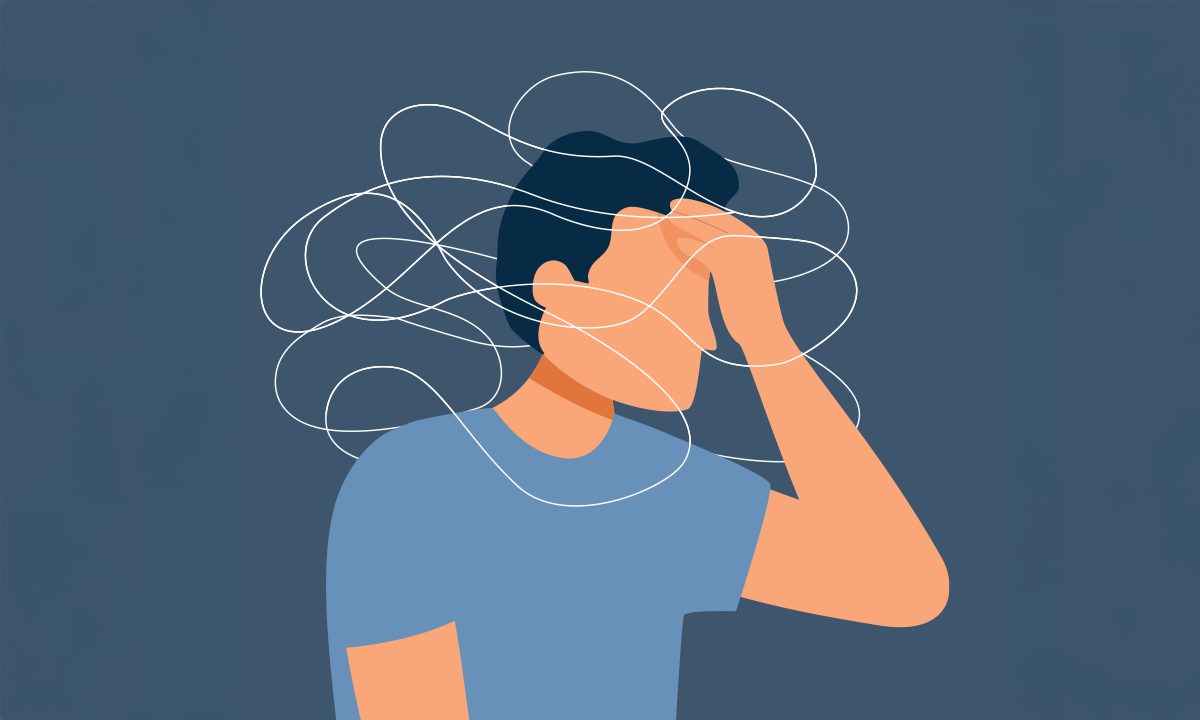
No one knows what causes Alzheimer’s disease. There are plenty of risk factors associated with the neurodegenerative disease, like inflammation, smoking, and genetics, but so far no single culprit has emerged. A new study published in Translational Psychiatry, however, investigated the link between Alzheimer’s and another risk factor, depression, leading to some surprising results.
Neuroscientists led by a team from the University of Southern California analyzed high-resolution MRI scans from more than 2,000 healthy adults between the ages of 50 and 90. Around a third of them (630) had been diagnosed with depression, and these subjects showed a significant decrease in volume in their hippocampus. The entire hippocampus wasn’t affected, though, just a smaller subfield responsible for retrieving memories, reconstructing memories from partial information, and distinguishing between similar experiences.
“This study shows why it’s important to look beyond the total size of the hippocampus,” study co-author Meredith N. Braskie said in a statement. “Depression wasn’t related to smaller volume throughout the entire region. The association was concentrated in a particular set of subfields, giving us a more precise picture of how depression may relate to brain health during aging.”
To investigate the link to Alzheimer’s, the team used PET scans to look for the telltale buildup of amyloid and tau proteins in the brain. They also factored in whether the subjects carried the APOE ε4 gene, another risk factor for the disease. Somewhat surprisingly, they found that none of these factors were related to the relationship between depression and the shrunken hippocampal regions.
Read more: “Can You Overdose on Happiness?”
While that might seem like an anticlimactic result, the study sheds light on what’s going on in the brains of older individuals who suffer from depression, and that could prove to be an important part of the Alzheimer’s puzzle. Or as study co-author Arthur W. Toga explained, “Understanding how depression relates to specific memory systems may help researchers identify people at risk, clarify the pathways connecting depression and dementia, and ultimately guide more personalized approaches to protecting brain health.” 
Enjoying Nautilus? Subscribe to our free newsletter.
Lead image: Orapun / Adobe Stock