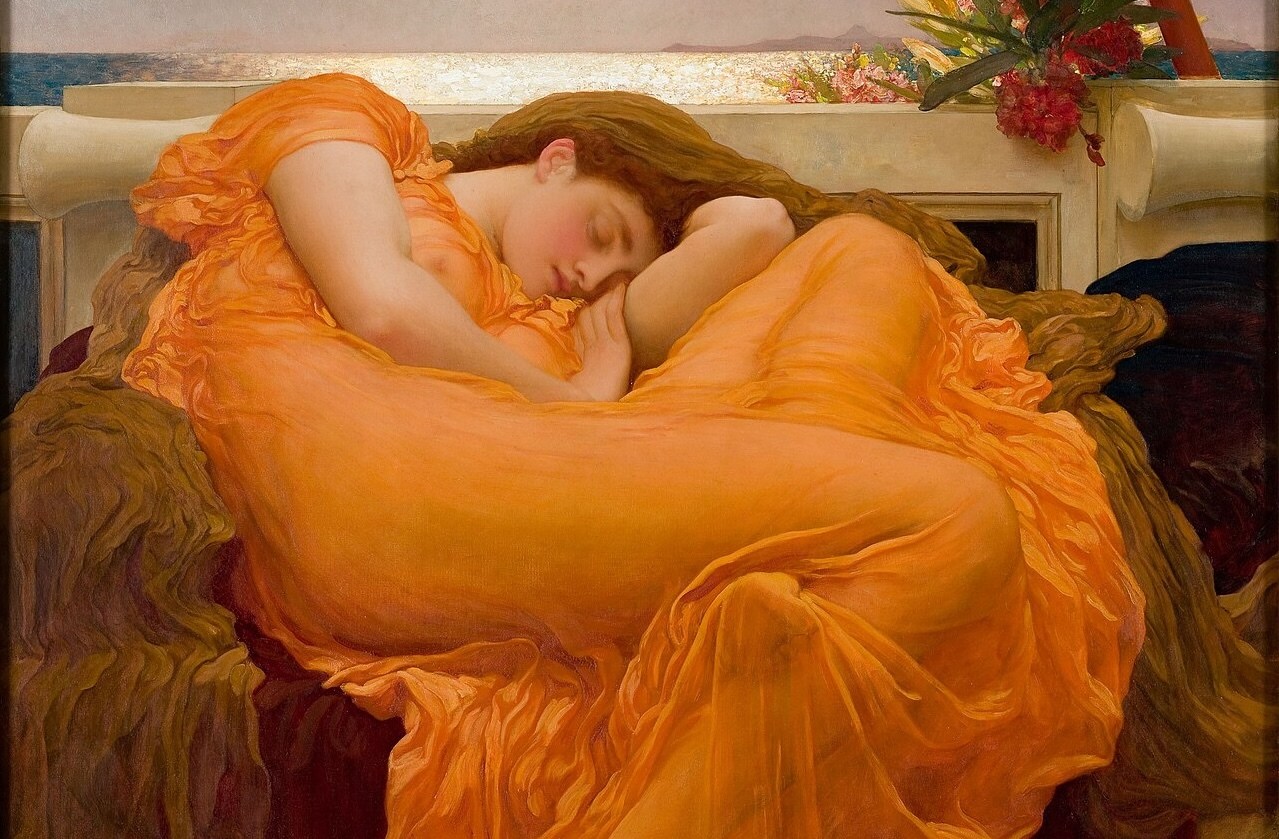
Lately, nights in San Diego where I live have been hot and sticky. The humidity is so intense that the air clings to my skin and the bedsheets are often damp with sweat. We don’t have air conditioning, so the lazy whirring of fans has become the soundtrack to my restless tossing each night.
It’s not just me. Heat waves are blazing through much of Southern California, the Southwest, and other parts of the United States, as well as North Africa, the Middle East, and Southern Europe. That means billions of people may be struggling to get a good night’s rest. According to a new analysis from climate change nonprofit Climate Central, the average person around the globe lost almost 56 hours of sleep a year to elevated nighttime temperatures from 2020 to 2025.
Read More: “Where Human Sleep Went Wrong”
Why does the heat make you sleepy but also render it difficult to catch sufficient zzzzzs?
It seems like a strange paradox, but sleep and body temperature are closely linked. Heat makes you sleepy during the day because it takes energy for the body to regulate its temperature, but also because this cooling process can mimic what happens at night, when the body tries to cool itself down before sleep. To reach sleep and stay asleep, your core body temperature needs to drop and keep dropping. Heat at night not only increases the body’s tendency to wake up, it decreases time spent in the deepest stages of sleep: REM, which is associated with vivid dreaming, as well as slow wave, which helps with tissue repair, immune support, memory, and emotional regulation.
Humidity is one of the biggest troublemakers. It affects how heat stressed your body is during sleep, because when it’s humid, your sweat doesn’t evaporate efficiently, making it harder for the body to cool down naturally. Because sleep loss can accumulate over a succession of nights, even small gaps in rest each night are associated with many health problems, including obesity, heart disease, diabetes, and depression.
The problem of torrid nights and broken rest is not likely to abate anytime soon. In every city the Climate Central researchers analyzed, the amount of sleep loss attributable to temperature had doubled or more since the 1970s. More than 10 percent of that annual average sleep loss was related to climate change, they calculated, and global average temperatures are forecast to keep setting new records over the next five years and beyond. More and more people around the world are also relocating from rural areas to urban ones, where temperatures are often amplified at night due to something called the heat island effect: Buildings and roads absorb the sun’s heat instead of reflecting it. In rural or suburban areas, by comparison, trees and grass cool the air by releasing water.
In all, the researchers looked at 1,338 cities around the world, including any city with populations greater than 500,000, plus a list of 253 cities in the U.S. The hotter it was, the more sleepers struggled, the scientists found. Cities in the Middle East had it worst—particularly in Saudi Arabia, Oman, the United Arab Emirates, southern India, several countries in Southeast Asia, and West Africa. The strongest effects were also concentrated during the hottest seasons—the summer months and the hot and dry pre-monsoon seasons—and among the most vulnerable populations: those who didn’t have air conditioning and couldn’t afford it. Globally, in 2021, only about 35 percent of households had air conditioning, which is closely tied to income.
Some people are more vulnerable to heat-related sleep loss than others: People over age 65 were more than twice as likely to suffer sleep loss due to higher temperatures, the Climate Central analysis found. Women were more susceptible, as well. How much a given hot night affects a person’s sleep also depends on many variables that are more or less within our control: work schedules, stress, health, caffeine, light, noise, bedroom conditions, and humidity.
Writing in The Conversation, Nottingham University professors Amin Al-Habaibeh and Francesco Luke Siena recently offered some simple tips to help people manage the factors that are within their control during a heatwave so that they can sleep, particularly if they lack air conditioning. Close the blinds when the sun is strong to keep your living space cool, open windows to get a cross breeze going when the air outside cools off, and avoid using appliances that create extra heat, such as ovens, tumble dryers, and dishwashers, during the hottest times of day. Choose light breathable bedding, too, and move your bedroom if it’s on an upper floor or faces west, or, in the Northern Hemisphere, south.
Most of their tips are common sense, but one of them may come as a surprise: Be careful with fans. They can help sweat evaporate and make you feel cooler, but they do not actually cool down the air, and might dehydrate you if you are elderly or unwell. If you do use a fan, be sure to drink water and don’t position the fan so that it’s blowing cold air on your face all night while you’re sleeping.
What about the new-fangled temperature-controlled mattresses that have come to market in recent years? Probably, if you have the money to buy one of these—they can range in price from $700 to $5,000 and often include subscription fees—you also have air conditioning, which makes nighttime temperature control somewhat less fraught. But a recent small independent study conducted by researchers in Australia and Canada found that while some sleepers reported better sleep after using one brand of temperature-controlled mattress, by objective measures, the fancy mattress made no difference in their sleep quality.
The scientists tracked the sleep of 34 adults over a two-week period in a randomized study, with 7 nights temperature control on and 7 nights off, using wrist actigraphy to measure rest and wake cycles and sensors embedded in the mattress to gauge heart rate and respiratory rate. They concluded that the mattress worked on the sleepers’ perceptions of their sleep by way of the placebo effect.
For now, I think I will stick with my fan, pushing hot air around my bedroom as the globe cooks, humming through another muggy San Diego night. 
Enjoying Nautilus? Subscribe to our free newsletter.
Lead Image: Frederic Leighton / Wikimedia Commons