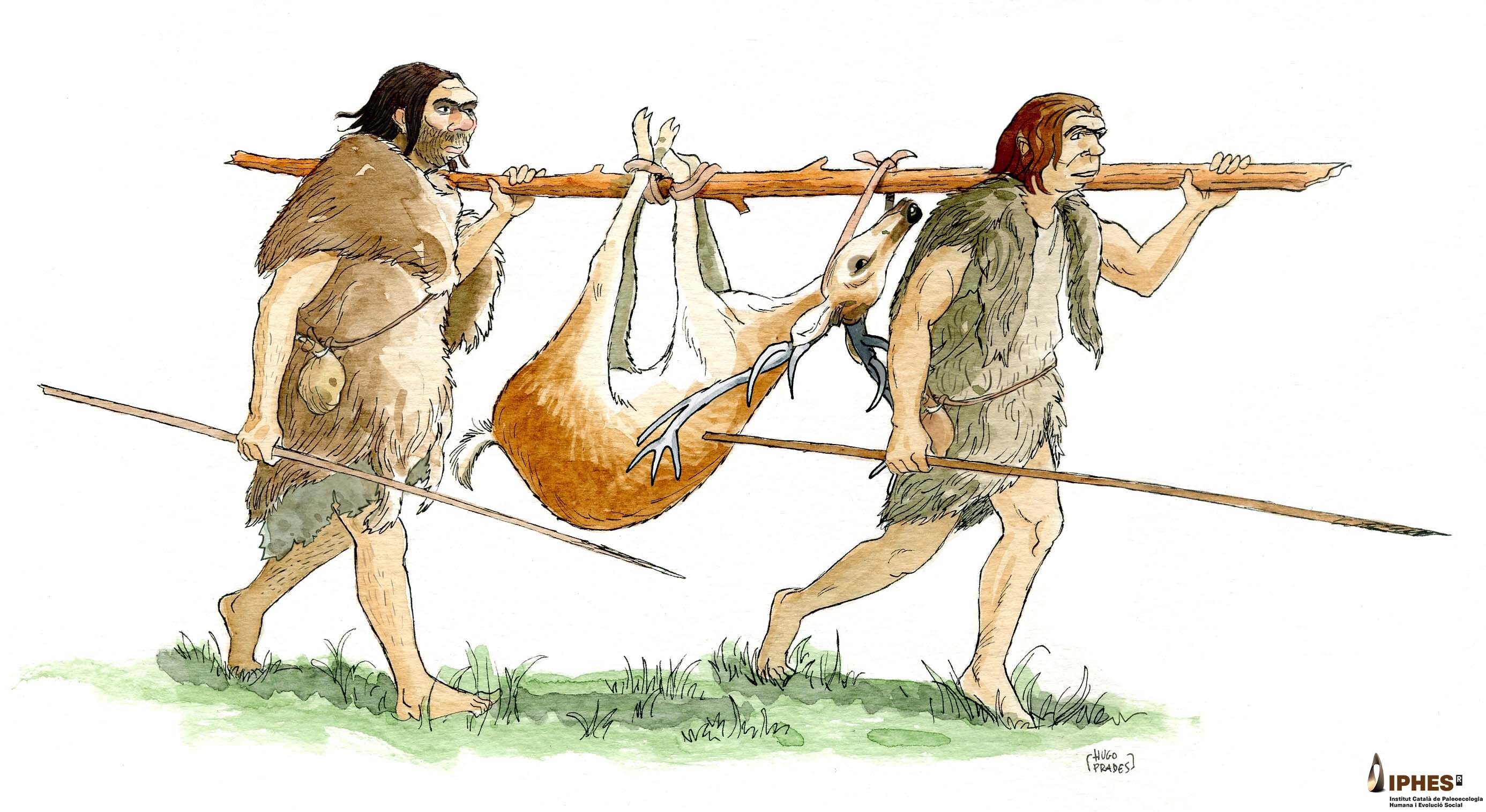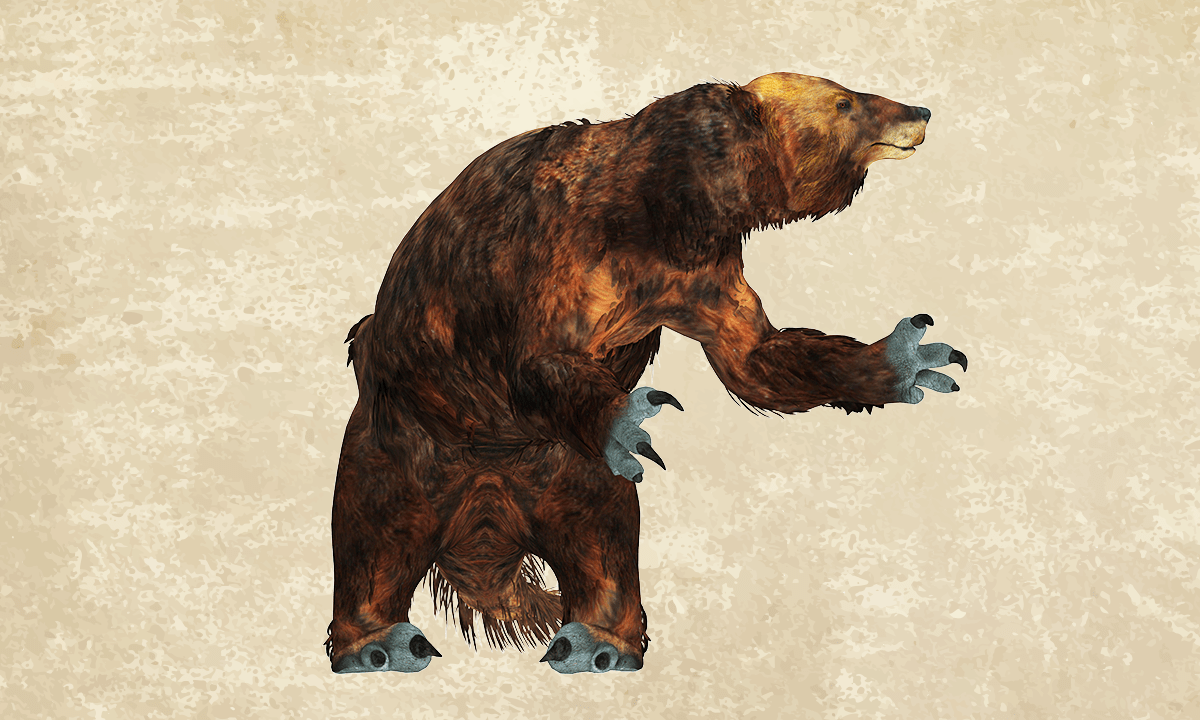
Panama was a much wilder place 17,000 years ago. The lush vegetation provided food for huge prehistoric beasts like giant ground sloths, massive armadillos, and even a species of elephant. That all changed after humans showed up, and new research published in Quaternary Science Reviews shows that the ecosystem hasn’t fully recovered from the loss of its megafauna.
Study author Felix Pym and his team of paleoecologists at the University of Exeter in the United Kingdom arrived at that conclusion by studying cores from sediment around Lake La Yeguada containing spores of coprophilous fungi. Because these spores, which grow on animal dung, need to pass through the digestive tract to germinate, they can be used as a proxy to estimate the abundance of herbivores. Pym and his team also analyzed the level of charcoal and pollen allowing them to piece together the ancient ecosystem when combined with evidence from the fossil record.
“New fungal spores are dispersed, travel into lakes, and are then preserved in layers of sediment,” Pym said. “The sediment also contains fossilized pollen, which allows us to identify plant species, and charcoal, which tells us when fires occurred.”
They found that three major declines of plant-eating megafauna occurred 13,600, 10,000, and 8,400 years ago corresponding with changes in the prehistoric ecosystem. Additionally, recoveries took place at 11,200, 9,000, and 7,600 years ago.
Read more: “The Case for Bringing Back the Passenger Pigeon”
“Just like elephants today, we found that large herbivores had a significant impact on ecosystems during the period we studied,” Pym explained. “For example, there were fewer wildfires when large herbivores thrived—possibly because they ate and trampled on understory vegetation that can fuel fires.”
They also found the declines in megafauna corresponded with declines in several plant species. “When megafauna declined, so did plants with large fleshy fruits and seeds that are typically spread by large animals,” Pym said. The avocado, with its relatively large pit, has long been speculated as one such fruit dispersed by these behemoths.
So can we restore the Panamanian wilderness to its prehistoric glory?
Pym thinks this latest research could help by providing a baseline for rewilding efforts. By reintroducing keystone species, rewilding aims to restore biodiversity, natural processes, and restore the ecology of an ecosystem. It’s shown some promise in Europe with the reintroduction of bison. In Panama, rewilding would also involve reintroducing large herbivores, but which ones and how many will have to be the subjects of future research.
“Our study tells us something about what has been lost, and highlights a possible solution, but the selection of species for rewilding would require careful research and planning,” Pym said.
It’s too bad giant ground sloths are in short supply these days. 
Enjoying Nautilus? Subscribe to our free newsletter.
Lead image: Catmando / Shutterstock