Perhaps you have heard the story of the Polish Franciscan friar who volunteered to die in place of a total stranger at the Auschwitz concentration camp in 1941. When Nazi guards selected ten prisoners to starve to death in retaliation for an escape, one of those men, Franciszek Gajowniczek, cried out for his family. The friar, Maximilian Kolbe, stepped forward to take his place.
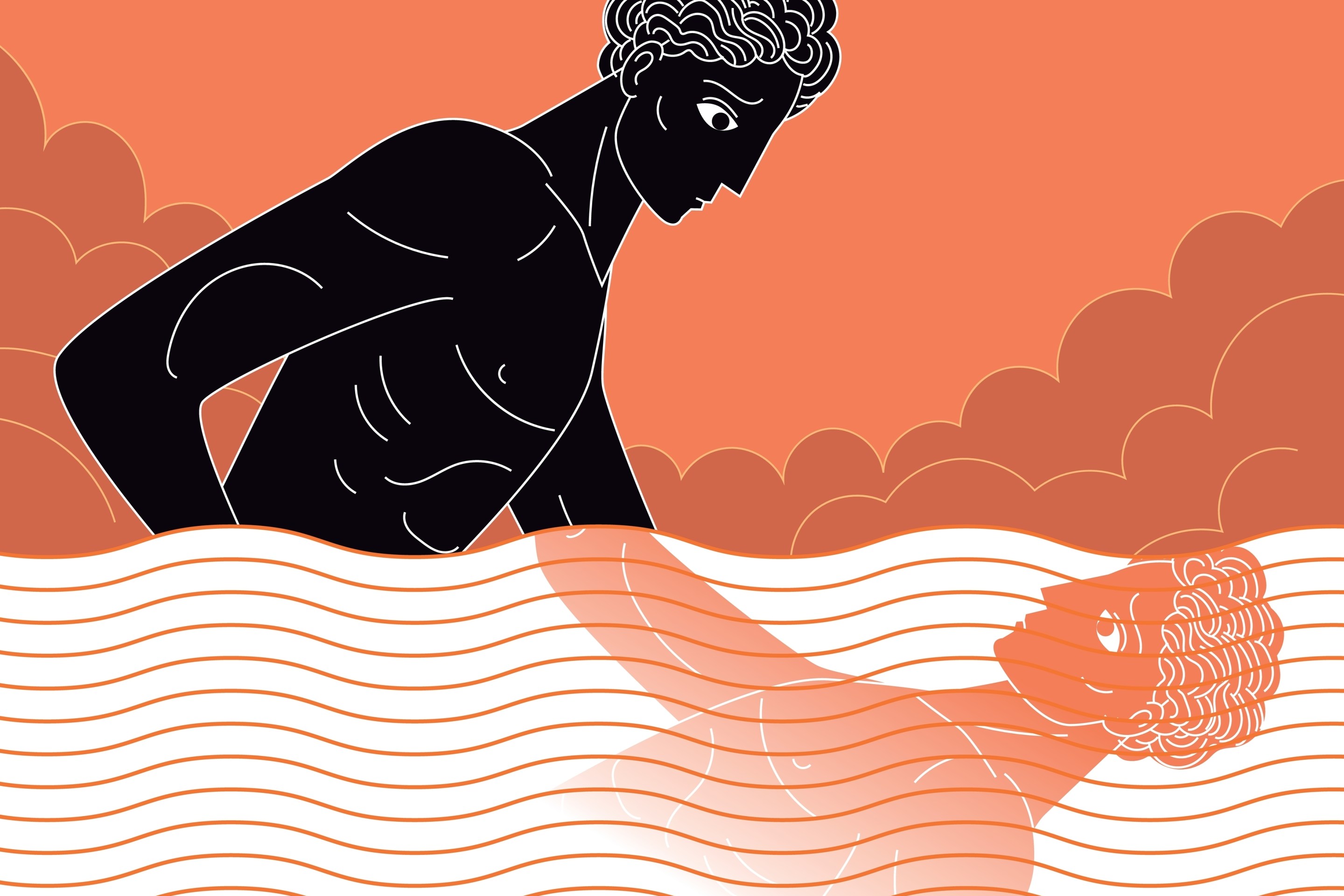
It is hard to imagine a more selfless act. But the concept of selflessness has long been the subject of intense debate among theologians, economists, philosophers, and biologists. English philosopher Thomas Hobbes famously argued that every human action is ultimately driven by pure self-interest: If you help someone at a cost to yourself, you do it because it relieves your own empathic distress or puffs you up with pride.
Read more: “How Discovering an Equation for Altruism Cost George Price Everything”
For biologists like Richard Dawkins, altruism toward one’s kin or tribe is an evolutionary imperative: It helps to ensure the survival of the group, the species or some twist of shared DNA. More recently, neuroscientists have found that altruism stimulates the same regions of the brain that are triggered by pleasurable experiences like eating chocolate or winning a game.
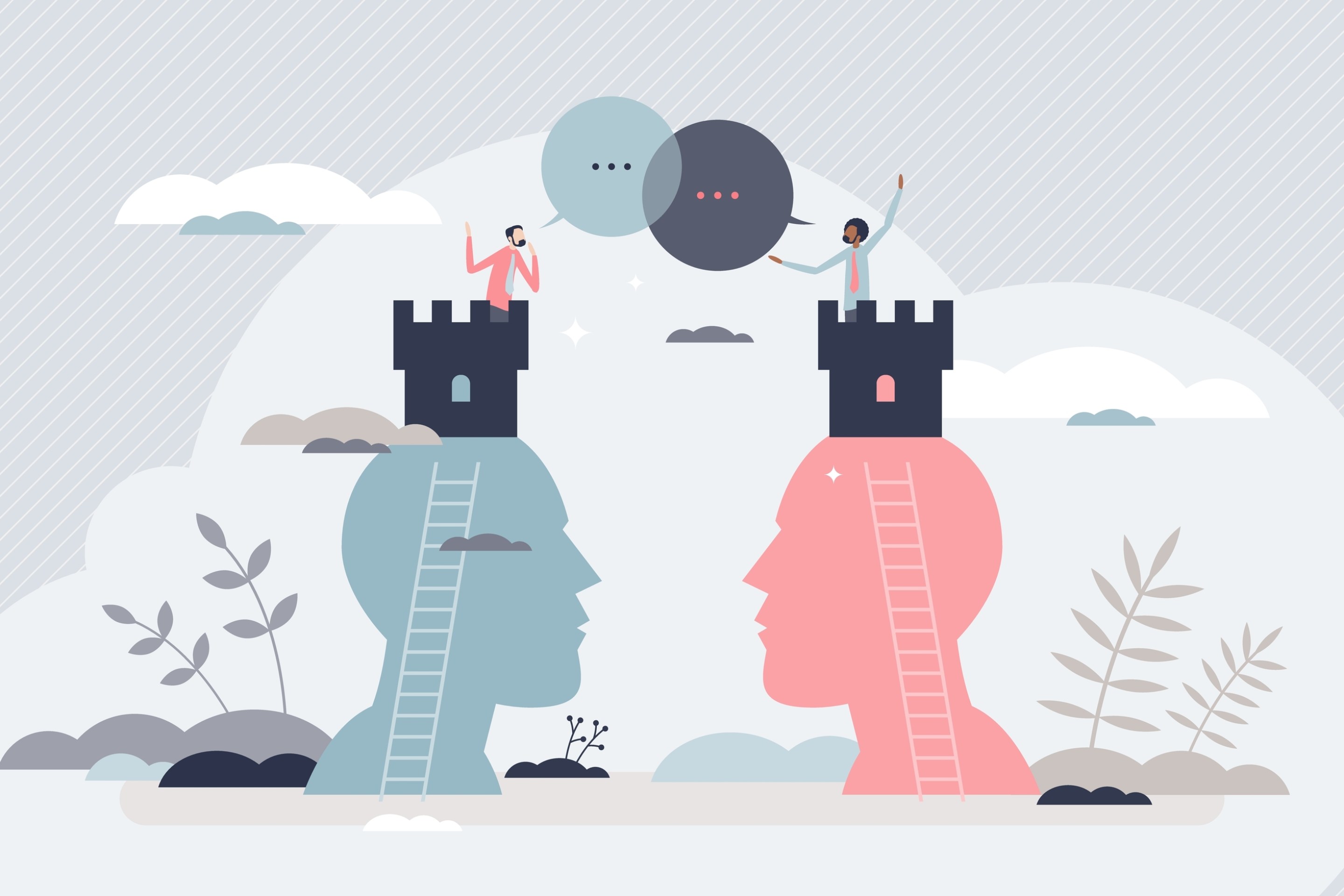
One question at the core of the debate over the nature of altruism pertains to how it is perceived by others, including the recipients of the good deed and the broader public. Professor of clinical psychology Jennifer Cheavens of Ohio State University, who teaches a positive psychology class to undergraduates, recently took inspiration from her students to investigate this question. Cheavens’ students argued that there is a distinction between acts that are kind and acts that are nice. Nice is doing a good deed out of obligation or to win reputation points, and is not perceived favorably by others, they held. Kind is doing something without the expectation of any transactional reward, and is perceived more generously.
But what Cheavens found in the lab was the opposite.
Cheavens teamed up with her colleague Laura Wagner, a developmental psychology professor and linguist at Ohio State University. Together they recruited 736 mostly white participants from the United States to read and rate vignettes describing prosocial behavior—described as any action that benefits individuals or society as a whole. What they discovered was that prosocial behavior was almost universally considered a positive thing among their participants: “At least kind, maybe also nice and possibly even caring,” Cheavens said in a statement. Acts that were planned in advance, performed with warmth, and delivered without expectation or obligation were seen as warmer, kinder, and more caring.
For their study, Wagner and Cheavens along with a team of scientists wrote 14 short stories that contained variations on several dimensions of altruism: anonymity, benefit, cost, expectation, planning, warmth, and relationship to the recipient. Each of the study participants read seven of the stories and was asked to put themselves in the shoes of the recipient of different acts of kindness: Things as simple as someone holding a door, paying for a snack, or donating $500 anonymously. The participants rated each act in terms of how “kind,” how “nice,” and how “caring,” it was.
Modeling the results suggested few differences in perceptions of “kind” and “nice” acts, but the participants had a higher threshold for labeling behaviors as “caring.” Good deeds aimed at someone the do-gooder knew personally were perceived as more caring, as were acts that were more costly to the giver. Kindness, the researchers concluded, may be the term “least likely to be linked to barriers to engaging in prosocial behaviors,” while caring was associated with the highest thresholds. Cheavens and her colleagues suggest the findings could have implications for the kind of language used by prosocial programs that aim to recruit the public. Perhaps encouraging people to be “kind” rather than “caring” will result in more uptake and volunteerism.
So does selflessness exist?
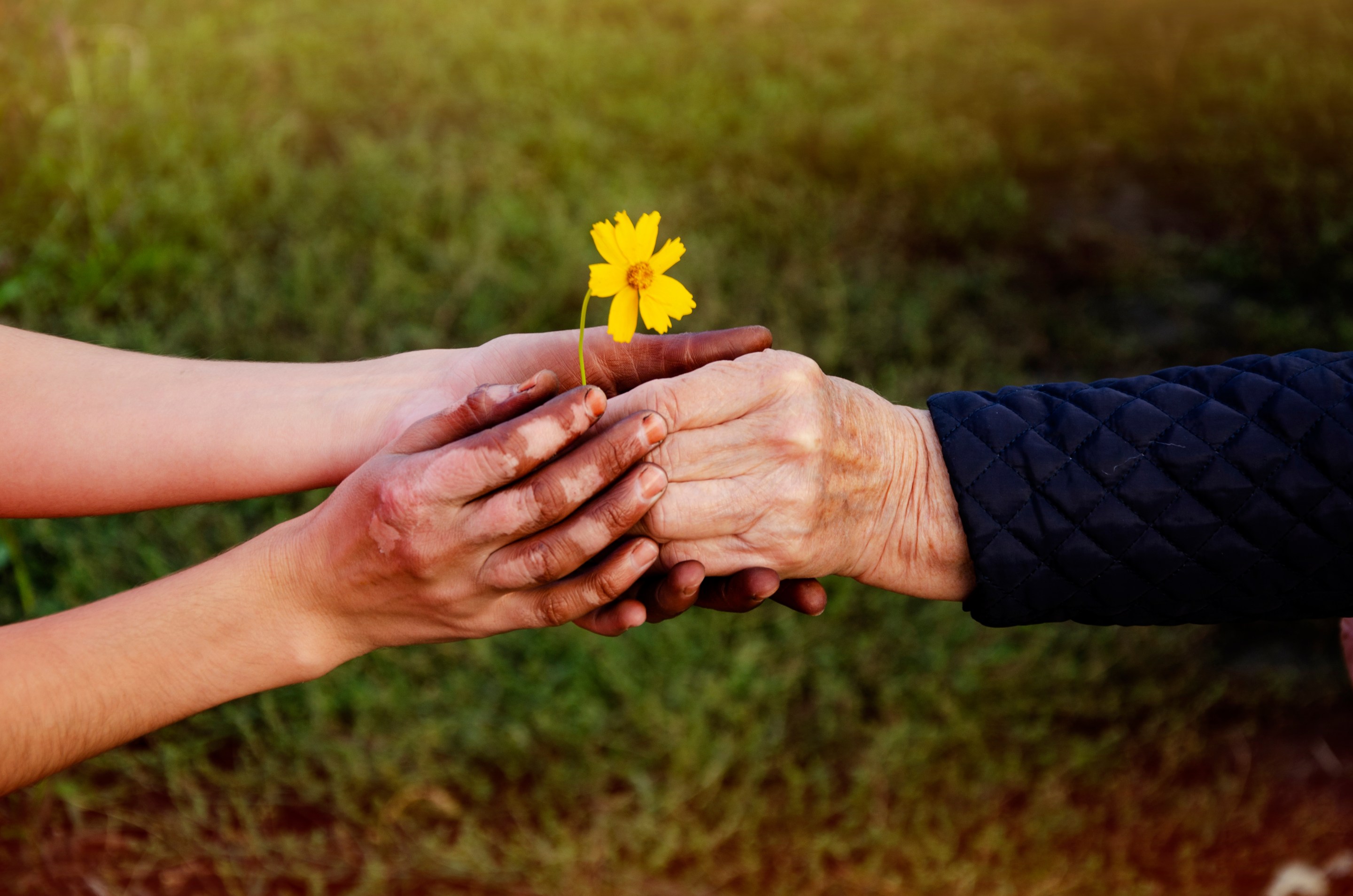
That’s a debate science and philosophy still haven’t settled. But in the meantime, good deeds and acts of kindness are what hold communities together. We need acts of kindness, niceness, and caring to keep happening , whether we’re givers or receivers, and no matter how we refer to them. 
Enjoying Nautilus? Subscribe to our free newsletter.
Lead Image: Kharaim Pavlo / Shutterstock