What’s in a name? People’s monikers can reveal subtle insights into their societies, according to a new look at stone and clay artifacts from more than 2,500 years ago.
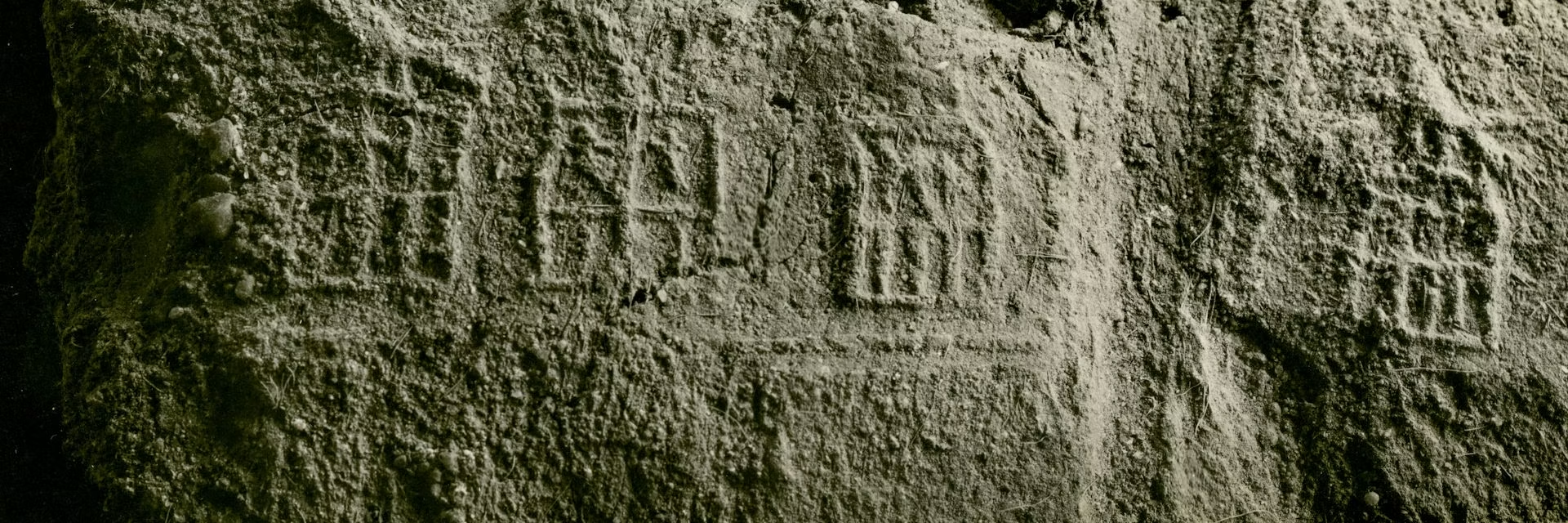
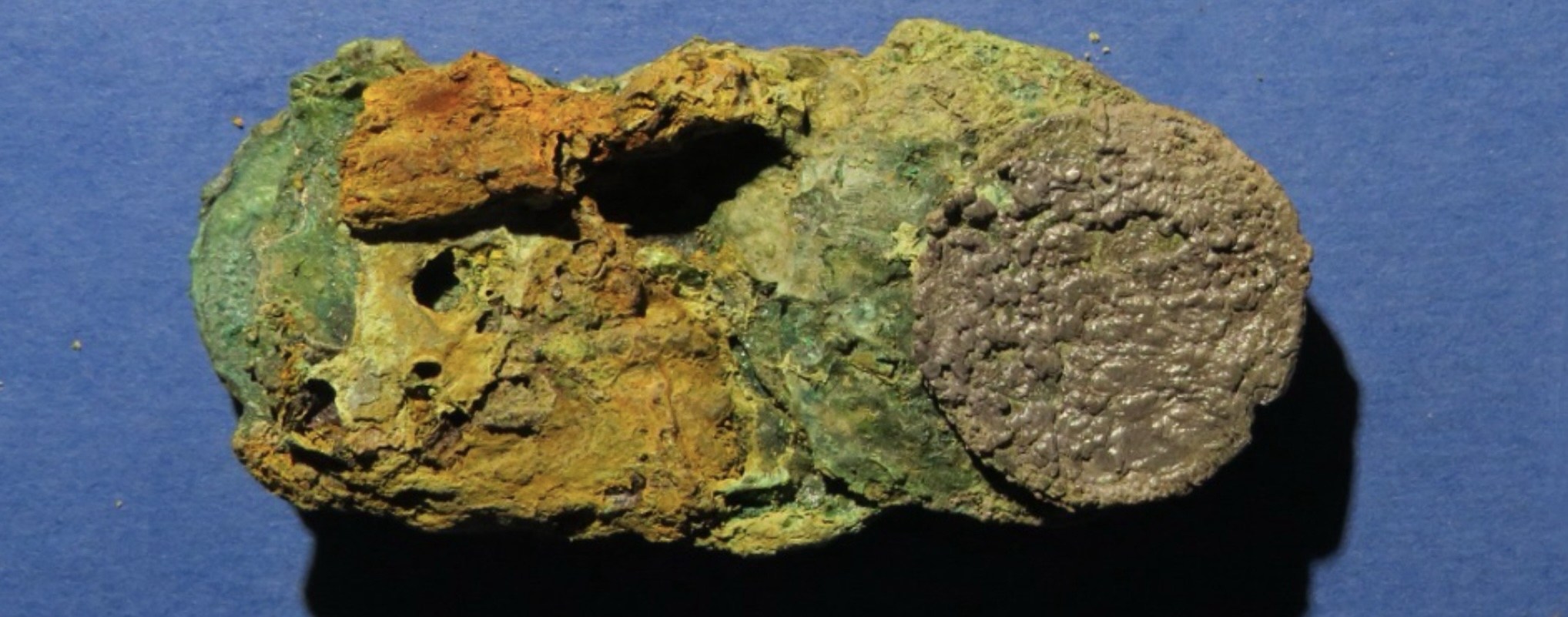
Researchers pored over a collection of more than 1,000 names etched into artifacts including seals, shards of pottery, and storage jars from the ancient kingdoms of Israel and Judah. By crunching the data with statistical methods typically used in ecology to measure species diversity, the team found that during the period they studied (the Second Iron Age, 950 to 586 B.C.), the Kingdom of Israel had a richer array of personal names than the Kingdom of Judah, which could denote underlying differences in the societies.
“Names are more than just labels; they are cultural artifacts,” said study author Barak Sober, an archaeologist at Hebrew University, in a statement.
A greater diversity of names in the the Kingdom of Israel hints that it drew more inspiration from other surrounding cultures over this period. By contrast, a shrinking number of monikers in the Kingdom of Judah suggests it turned more inward amid religious and political consolidation." Location likely contributed to this split: The Kingdom of Israel sat along busy trade routes, and traded with Arab kingdoms as far south as modern-day Yemen. The findings were published in Proceedings of the National Academy of Sciences.
To test whether cosmopolitan societies really do foster greater name diversity than more traditional, conformist ones, the researchers employed their ecologically inspired statistical methods for an analysis of modern name data from countries including France, Israel, and the United States. This theory seemed to check out: They observed that name diversity has tended to increase since the 1960s in the countries they analyzed, which parallels cultural shifts such as increases in immigration.
While the ancient names studied in these Hebrew kingdoms primarily reflect those of elite males, whose names were more likely to be recorded on these enduring objects, the team thinks that this type of work can offer valuable information on ancient social structures—especially because this era lacks more comprehensive written sources. In fact, the study of onomastics, or the history behind proper names, has taken off in recent years, and its proponents stress how individuals’ names can divulge the larger dynamics of societies of yore. 
Lead photo by Barak Sober