No matter how absent-minded you are, you’ve probably never misplaced an entire mummy. Some unfortunate soul once lost six of them, and at least three of those were princesses. The mummies, discovered in 1890 in the pyramids in Dahshur, were later re-discovered during a museum curation project in 2020. Now they’re the royal subjects of a new study published in Frontiers in Environmental Archaeology. And they’re no ordinary princesses.
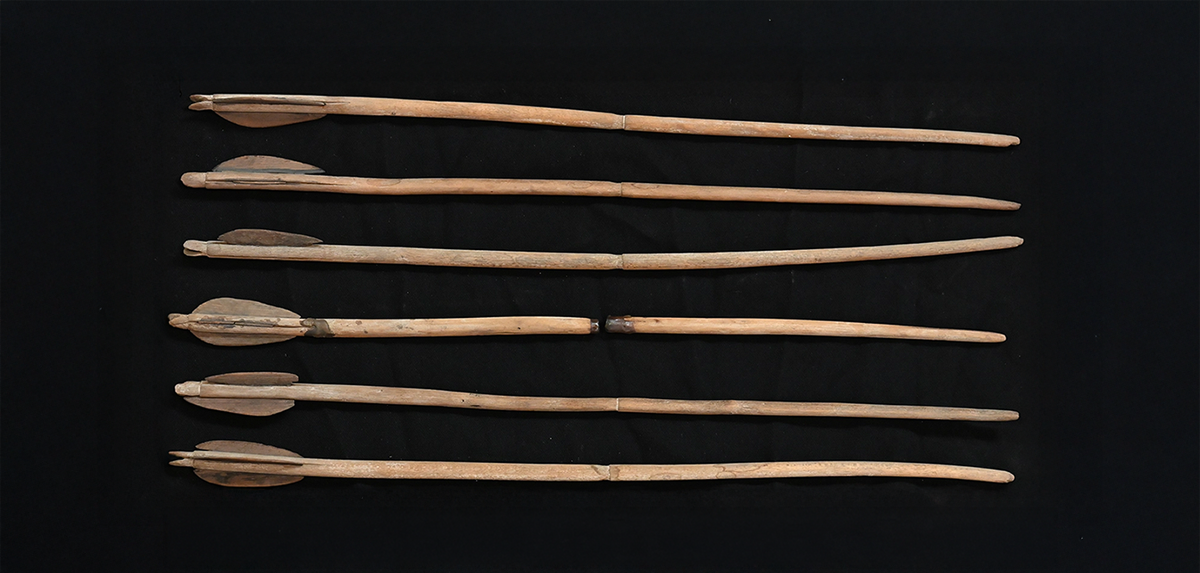
Among the mummified remains were the daughters of pharaoh Amenemhat II: Princess Ita, Princess Khenmet, and Princess Itaweret (a fourth is most likely Princess Sathathormeryt, but the researchers can’t say for sure). Like many mummies of both genders, they were buried alongside a cache of weapons: daggers, bows, and arrows. Whether these armaments were used in real life or merely ceremonial has been the subject of some debate.
According to this research, the debate is officially settled. These princesses weren’t living a life of leisure, they were skilled, athletic archers. A detailed analysis of their skeletons revealed robust muscle attachments in the arms and chest, exactly what you’d expect to find on someone who’s spent years pulling back a taut bowstring.
Read more: “The Curse of the Unlucky Mummy”
“We found pronounced development in the upper limbs of these individuals, which correlates to repetitive, high-intensity actions like pulling a bowstring or stabilizing a weapon, proving these activities were habitual throughout their lives,” study author Zeinab Hashesh of the University of Beni-Suef in Egypt said in a statement. “This directly explains the presence of bows, arrows, and maces in the women’s tombs; these were not just symbolic gifts but tools they actively used.”
The researchers also found evidence of a number of injuries commensurate with a rough-and-tumble lifestyle, like fractured ribs and broken toes. “These injuries were most likely caused by accidents, falls, hard blows, or other impacts linked to an active lifestyle, whether through hunting, military training, or other demanding activities,” Hashesh explained. “What is remarkable is that the injuries healed well, which suggests they had access to advanced medical care for their time.”
As far as princesses go, they were much more Merida than Cinderella. 
Enjoying Nautilus? Subscribe to our free newsletter.
Lead image: A photograph showing the arrows of Princess Noub Hotep. Courtesy of Eman Shawky.