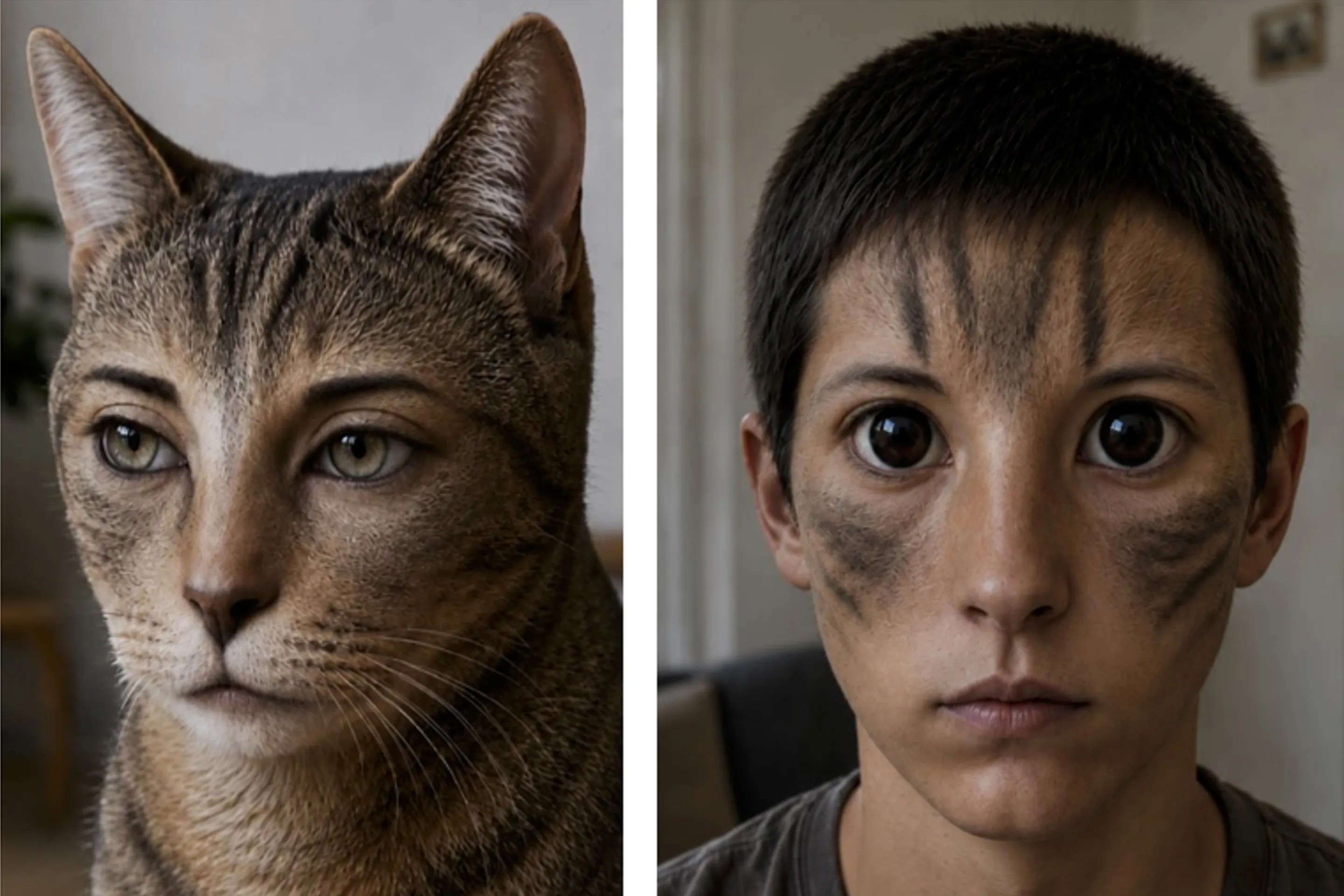


Gone are the days when we could make fun of AI-generated faces for grotesque errors like mangled cauliflower ears and an inhuman number of teeth. A steady stream of advancements now allow the technology to manufacture faces that look real. A little too real, according to a new study published in Social Cognitive and Affective Neuroscience.
Psychologists from the University of Florida recruited over 150 participants—some young (18 to 37), some old (60 to 89)—to find out how their brains responded to seeing faces generated by AI. The participants were shown photos featuring either actual human faces or AI-generated faces and asked to rate how realistic they were on a scale from 1 to 10, all while their brains were scanned by an fMRI machine.
Read more: “Creating Fake People is a Terrible Idea”
Remarkably, both groups rated the faces concocted by computers as more realistic than the actual faces of honest-to-god human beings. “Fake faces are being perceived as more real than real faces,” study author Natalie Ebner said in a statement. “You’re actually worse than just guessing, because you’re actively being drawn in the wrong direction.”
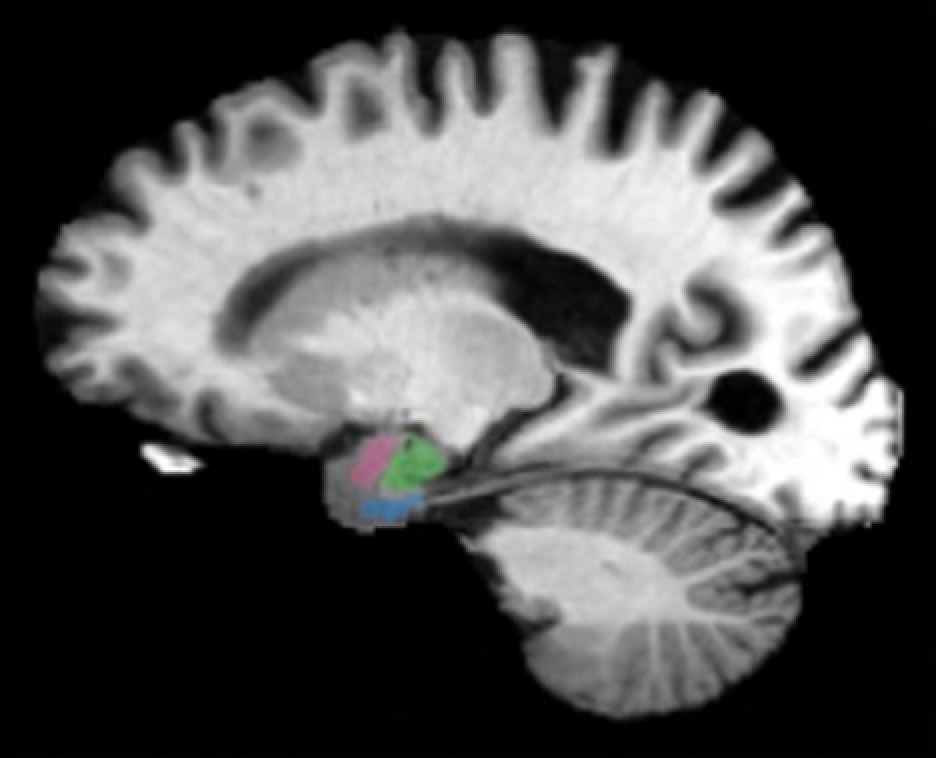
When they viewed AI faces, the participants’ brains showed muted activity in the anterior insula. Tucked inside the Sylvian fissure (the deep crease in the side of the brain), this neural region is responsible for processing untrustworthy cues. The relatively diminished activity suggests the hyperreal faces weren’t triggering any neural alarms, the researchers say.
But why?
According to the team, we perceive AI faces as hyperreal because they’re essentially an average of lots of faces. Distinctive features have been sanded off, and the result is something prototypical, attractive, and familiar—and we find familiar faces more trustworthy. In other words, AI faces may have leapt over the uncanny valley.
There was one other interesting wrinkle. Even though their brain activity didn’t differ significantly, older people tended to believe AI faces were more real than their younger counterparts. While both groups rated actual faces similarly, older adults rated AI faces 1.11 points more realistic, compared to just 0.25 points for younger folks. “All adults have hyperrealism bias, not just older adults,” Ebner said. “But older adults have it more.”
It’s not entirely clear why, however. It could be because older people tend to lean on the familiar more in general or that they’re less aware about AI-generated deepfakes, the researchers said. Either way it makes them attractive targets for scams. “Identifying that this potential deception scheme is the first step to an intervention,” Ebner said. “We can now work on awareness that if something looks too good to be true, think twice before you go along with it.”
Of course, raising awareness is easier said than done in an information environment already rife with scams. 
Enjoying Nautilus? Subscribe to our free newsletter.
Lead Image: Axel Bueckert / Adobe Stock