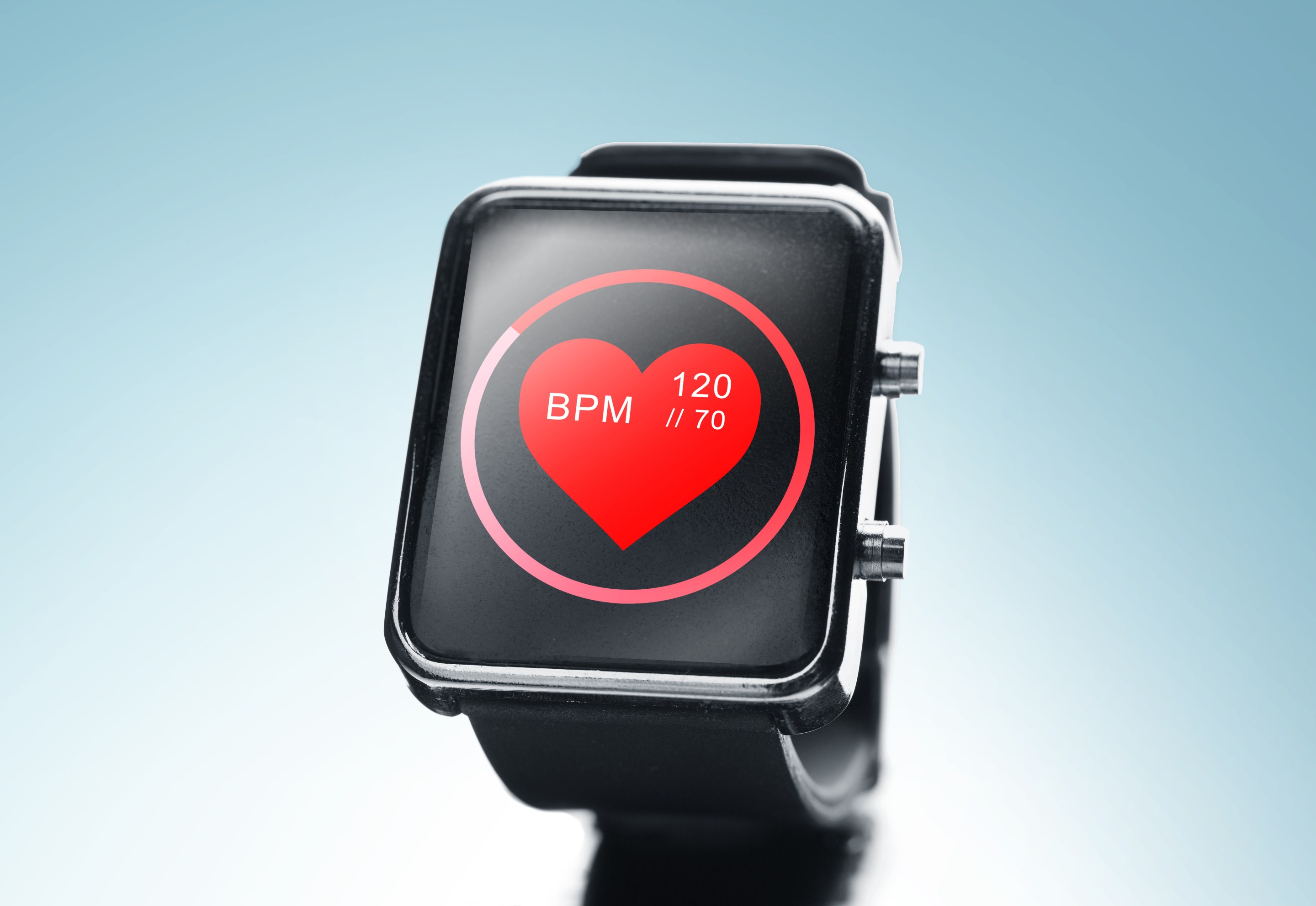
Smartwatches have soared in popularity in recent years, and now roughly 30-40 percent of American adults own one of them. More than serving as just a timepiece or a second screen for notifications, these watches promise to monitor a growing number of health metrics—from blood pressure to sweat loss. But how accurate are they really?
Kinesiologists from the University of Michigan recently published a new framework to help users understand what, exactly, smartwatches are measuring.
Read more: “The Pitfalls of AI Health Coaches”
If you take a peek under the hood of your average smartwatch, you’ll find a suite of sensors, including an accelerometer, a gyroscope, GPS, and a photoplethysmogram (or PPG, which uses light to detect blood volume). These sensors collect raw data (acceleration, angular velocity, location, and optical signal data), and the good news is, they’re pretty accurate.
But this data is just the input to the smartwatch, what users (and would-be consumers) are most interested in are the outputs. According to the researchers, this is where things get fuzzy. That’s because the signal provided by the raw data gets filtered through a layer of proprietary algorithms that churn out metrics like heart rate, physical activity, sleep duration, etc. The more recent the model, the more exotic the metric (i.e., water loss during exercise).
According to the team, the farther from the sensory data the outputs are, the less accurate they are. For example, metrics like heart rate, step count, and outdoor pace are much more reliable than metrics like calories burned, sleep stages, blood glucose, and hydration loss. These “metrics” are more like estimates.
“People shouldn’t take these metrics at face value,” study author Adam Lepley said in a statement. “In many cases, these devices are better suited to tracking trends over time, rather than as precise laboratory measurements.”
And that’s an important point. While these more exotic metrics may not represent a one-to-one agreement with lab-grade measures, they’re still useful for tracking your own progress over time. (Of course, the algorithms that generate the metrics are proprietary so if you switch brands they’re not likely to match.) The researchers also stress that any higher level recommendations from your devices, like exercise recovery time, should be taken with a grain of salt.
In other words, listen to your body. It might be smarter than your watch. 
Enjoying Nautilus? Subscribe to our free newsletter.
Lead Image: Syda Productions / Adobe Stock