There’s a big space between being cognitively healthy and having dementia, and it’s a space many of us will enter as we age. After all, just like our bodies, our minds are going to show some wear and tear after decades of use. Keeping up an exercise regimen can help gird our bodies against physical decline, but can mental exercise help keep our brains fit? According to a recent study published in the journal Educational Gerontology it can—at least a little.
A team of social workers from Virginia recruited more than 100 people older than the age of 59 and gave them some homework. They were tasked with completing three 10-minute assignments each day: reading aloud, handwriting, and solving simple math problems. The participants were able to choose their own reading and writing topics (one wrote letters to her sister; others recited poetry), but the math problems came from a worksheet. Before and after the 12-week study period, researchers tested the seniors’ cognitive abilities with a slimmed-down version of the Montreal Cognitive Assessment.
Read more: “Nostalgia Just Became a Law of Nature”
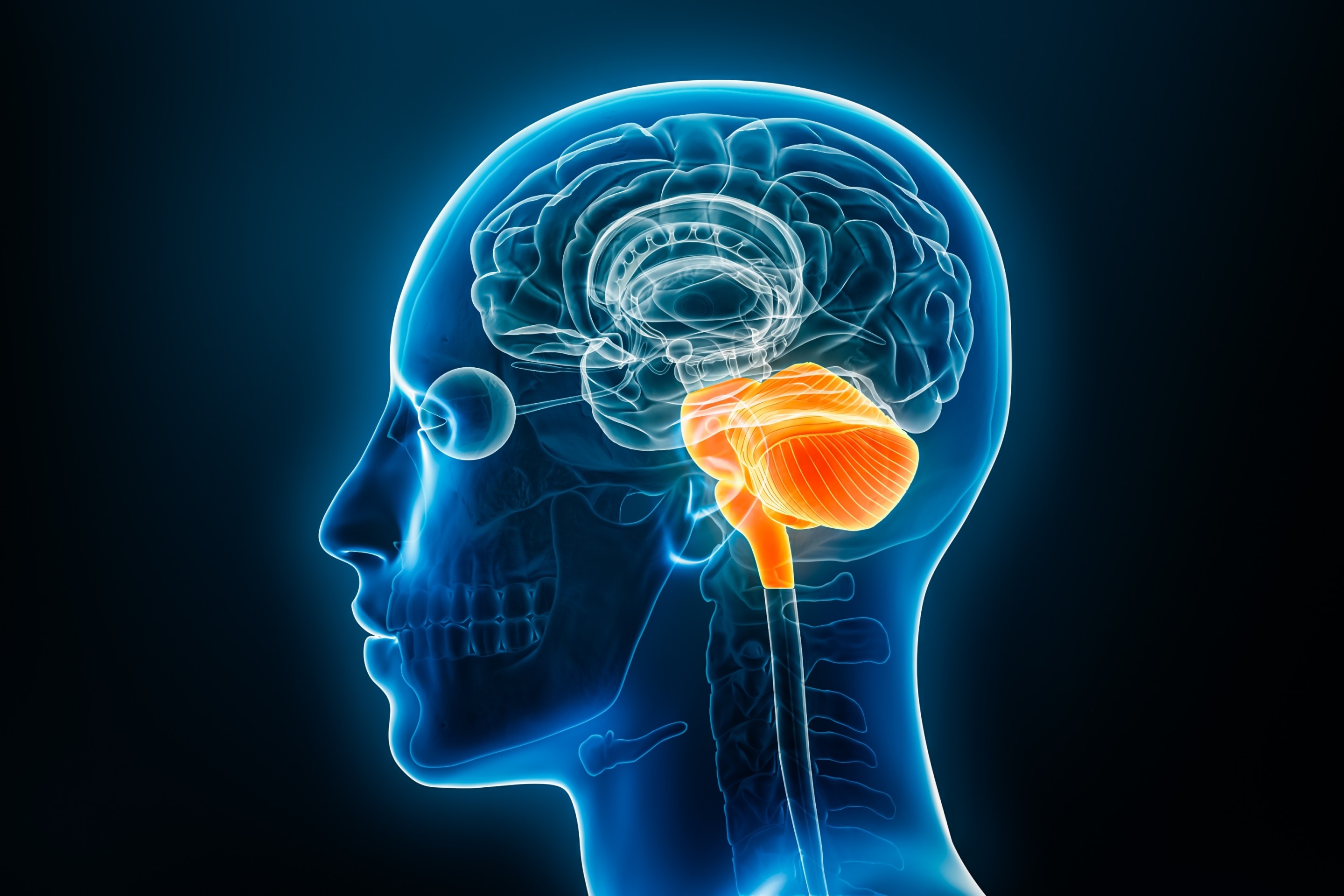
The assignments are part of the StrongerMemory program, a free brain-training curriculum developed by Goodwin Living. The program was designed to engage the prefrontal cortex, a region of the brain responsible for attention, short-term memory, and judgment. “By combining reading aloud, writing by hand, and simple math exercises, the program engages multiple cognitive pathways, offering broader benefits than single-domain approaches,” study author Emily Ihara of George Mason University explained in a statement.
So how’d the seniors do?
After the experimental period, the average score increased from 12.73 to 13.26 (out of 15 possible points). The participants also showed improved memory recall. Drilling into the data, the researchers found that people living in the community saw a larger benefit from the intervention than those living in retirement homes. This could be because retirement homes may “limit independent decision-making, problem-solving, and physical activity, all of which are critical to maintaining cognitive health,” they wrote.
While it might not offer any dramatic transformations, think of doing these three tasks as getting your steps in, but for your brain. 
Enjoying Nautilus? Subscribe to our free newsletter.
Lead image: Nuthawut / Adobe Stock