

Math
A Numerical Mystery From the 19th Century Finally Gets Solved
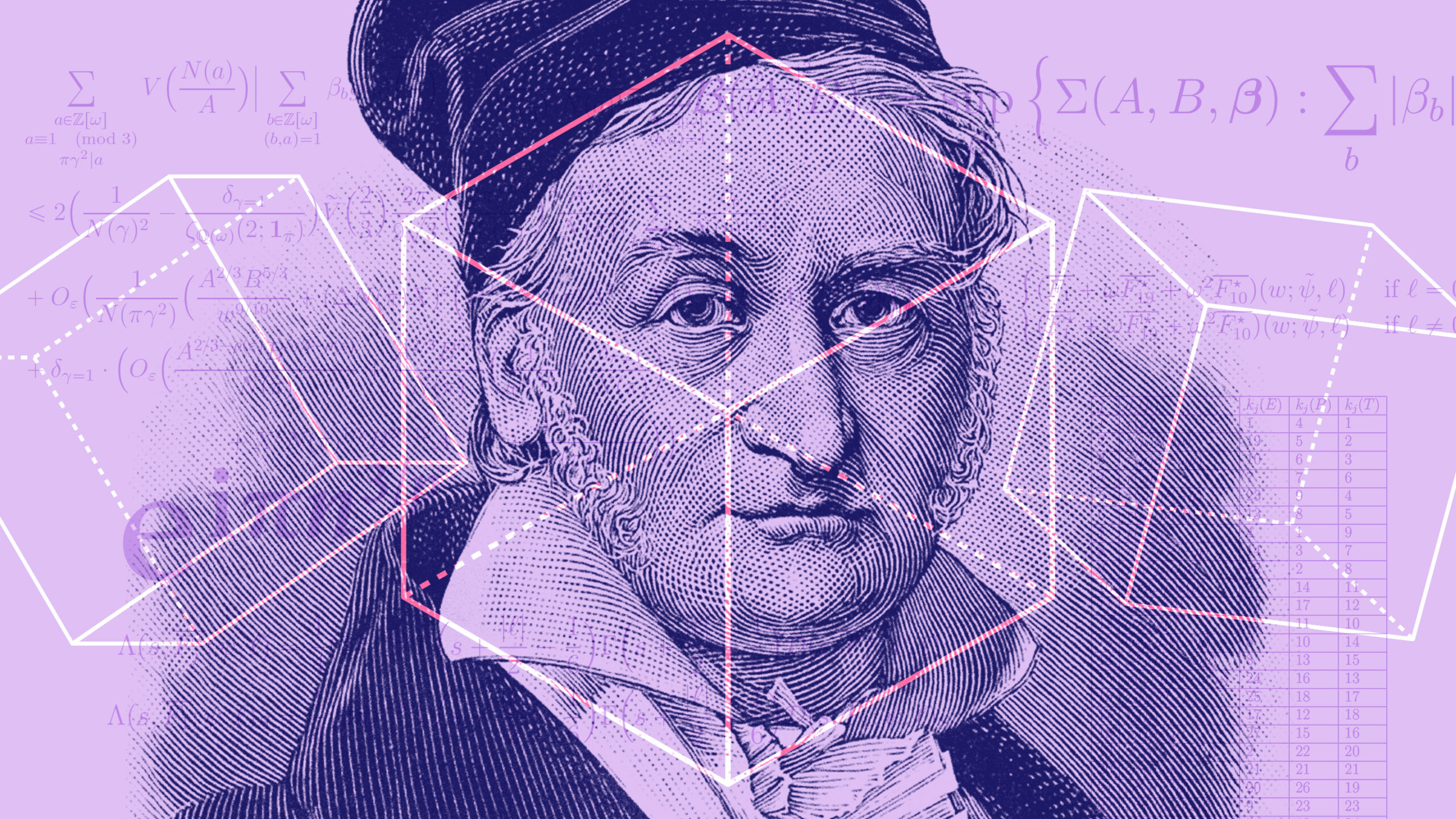
Two mathematicians have proven Patterson’s conjecture, which was designed to explain a strange pattern in sums involving prime numbers.
Math’s “Oldest Problem Ever” Gets a New Answer
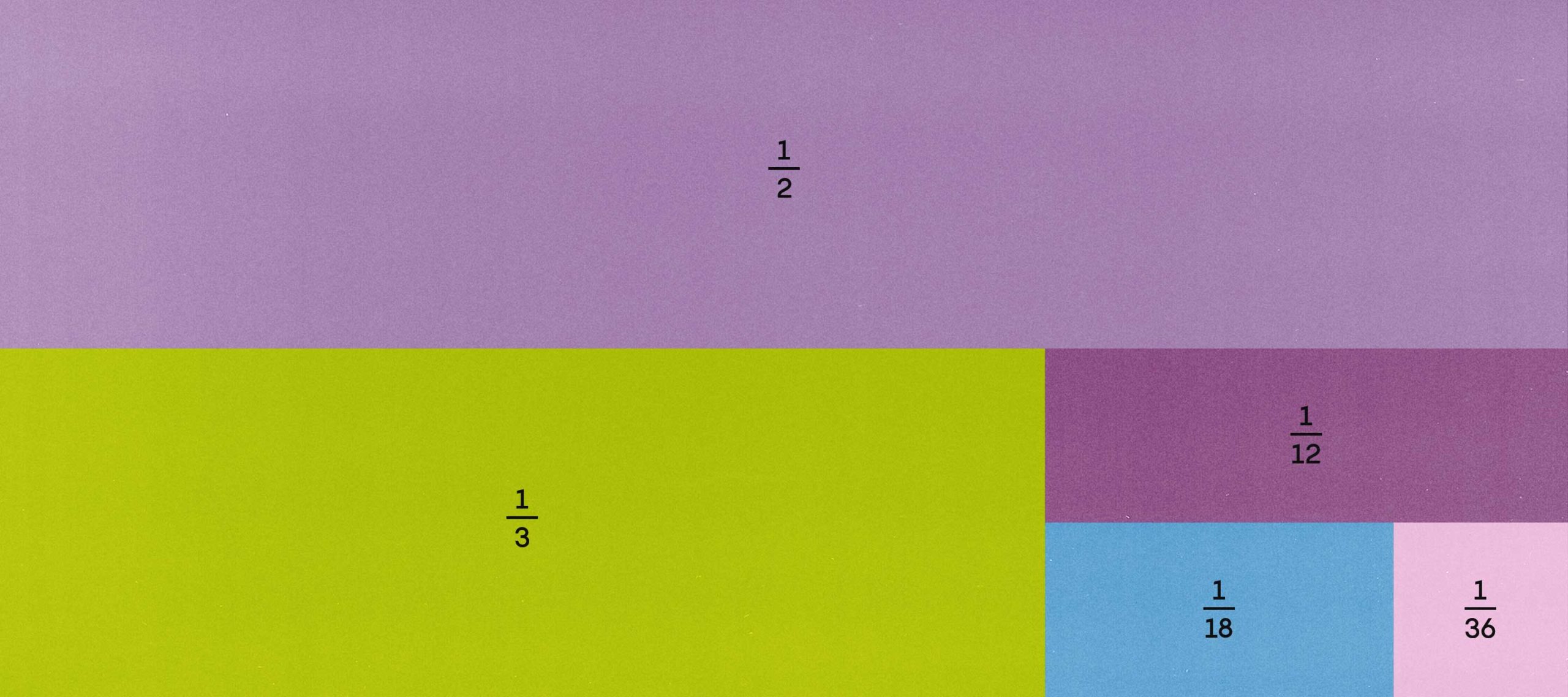
A new proof significantly strengthens a decades-old result about the ubiquity of ways to represent whole numbers as sums of fractions.
An Ancient Geometry Problem Falls to New Mathematical Techniques
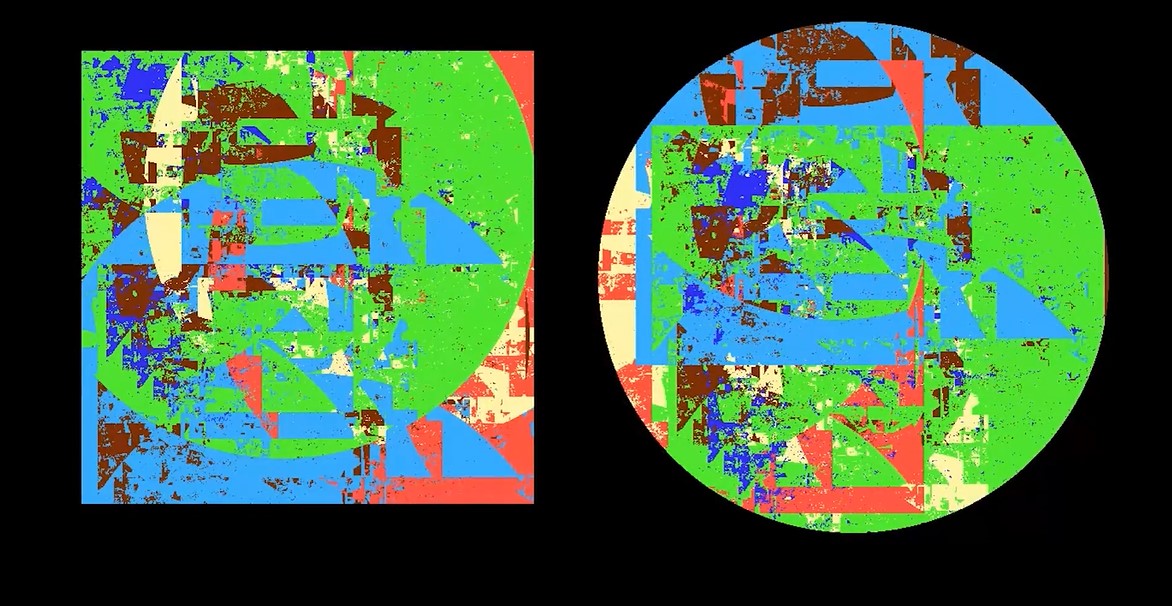
Three mathematicians show, for the first time, how to form a square with the same area as a circle by cutting them into interchangeable pieces that can be visualized.
Mathematicians Find Structure in Biased Polynomials
New work establishes a tighter connection between the rank of a polynomial and the extent to which it favors particular outputs.

In Topology, When Are Two Shapes the Same?
As topologists seek to classify shapes, the effort hinges on how to define a manifold and what it means for two of them to be equivalent.

Computer Scientists Discover Limits of Major Research Algorithm
The most widely used technique for finding the largest or smallest values of a math function turns out to be a fundamentally difficult computational problem.


Pandemic Puts Mathematical Modeling Through Its Paces
Mathematical tools that proved essential during the pandemic were in many cases invented by mathematicians who had no particular goal in mind.

Mathematicians Answer Old Question About Odd Graphs
A pair of mathematicians solved a legendary question about the proportion of vertices in a graph with an odd number of connections.

How Mathematicians Use Homology to Make Sense of Topology
Originally devised as a rigorous means of counting holes, homology provides a scaffolding for mathematical ideas, allowing for a new way to analyze the shapes within data.
