Aging, of course, is inevitable for everyone, but it affects men and women differently. Women, for example, live longer than men, but also become frailer later in life. Despite these well-known aging differences between the sexes, their root causes are still something of a mystery. Now, new research published in Nature hits on the possible molecular mechanisms behind the discrepancies, and it implicates a group of proteins first discovered in yeast—sirtuins.
Sirtuins are a family of highly conserved primordial proteins present in all kingdoms of life, from bacteria to humans. As part of the core genetic machinery, they play a variety of roles, including in the organization and repair of genetic material. Mice who lack certain sirtuin genes, like SIRT7, also show signs of premature aging, however these effects vary significantly between males and females.
Read more: “Physics Makes Aging Inevitable, Not Biology”
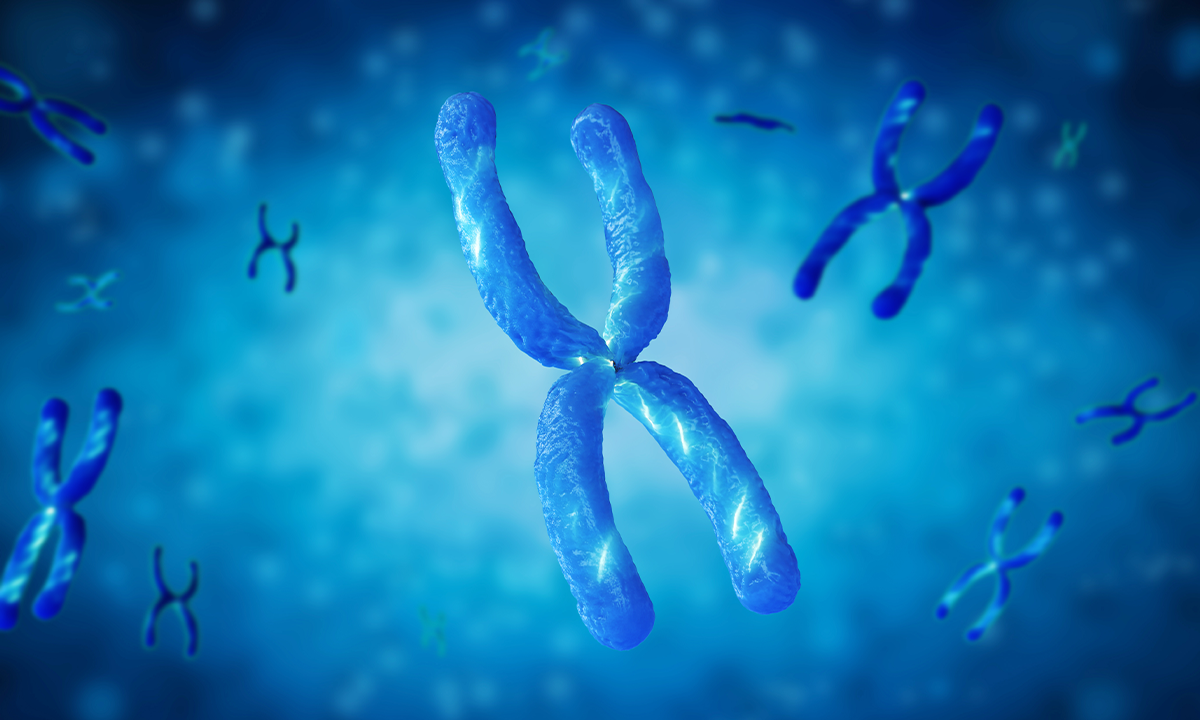
It’s these sex differences an international team of geneticists were interested in probing, so they bred mice deficient in SIRT7. Compared to males, females without SIRT7 show more DNA damage, worse health, and shorter lifespans. A peek under the molecular hood revealed that SIRT7 plays a vital role maintaining the X chromosome.
Because females have two copies of the X chromosome, one of them is normally switched off in most cells to maintain a balance with the other chromosomes. SIRT7, they discovered, helps maintain that balance. When the gene is absent, the “silent” X chromosome becomes even less active. But somewhat surprisingly, the active X chromosome also becomes a bit too active. This overactivity not only disrupts gene regulation and genome stability, it makes the DNA more prone to damage.
According to the researchers, these findings could explain why many age-related diseases show sex-specific patterns and biases and offer insights into how to treat them. As with all things in life, balance seems to be key—even at the molecular level. 
Enjoying Nautilus? Subscribe to our free newsletter.
Lead image: phonlamaiphoto / Adobe Stock