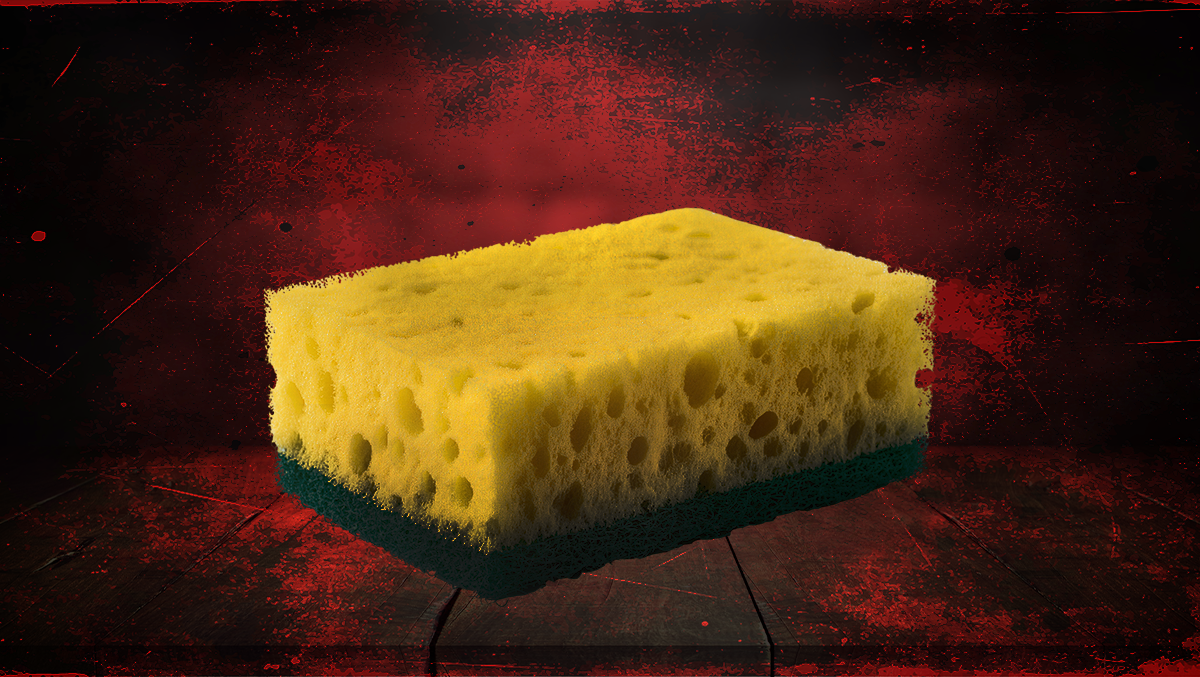
Kitchen sponges—with their nooks and crannies, high absorption, and day jobs languishing in food waste—are the ideal reservoirs for colonizing bacteria.
It’s one of those things you’re probably aware of, but prefer not to think about, so if you’d like to continue on in blissful ignorance, stop reading now. According to a new study published in the Journal of Food Protection, these soggy helpers harbor a microcosm of bacteria that are alive, growing, and impossible to detect.
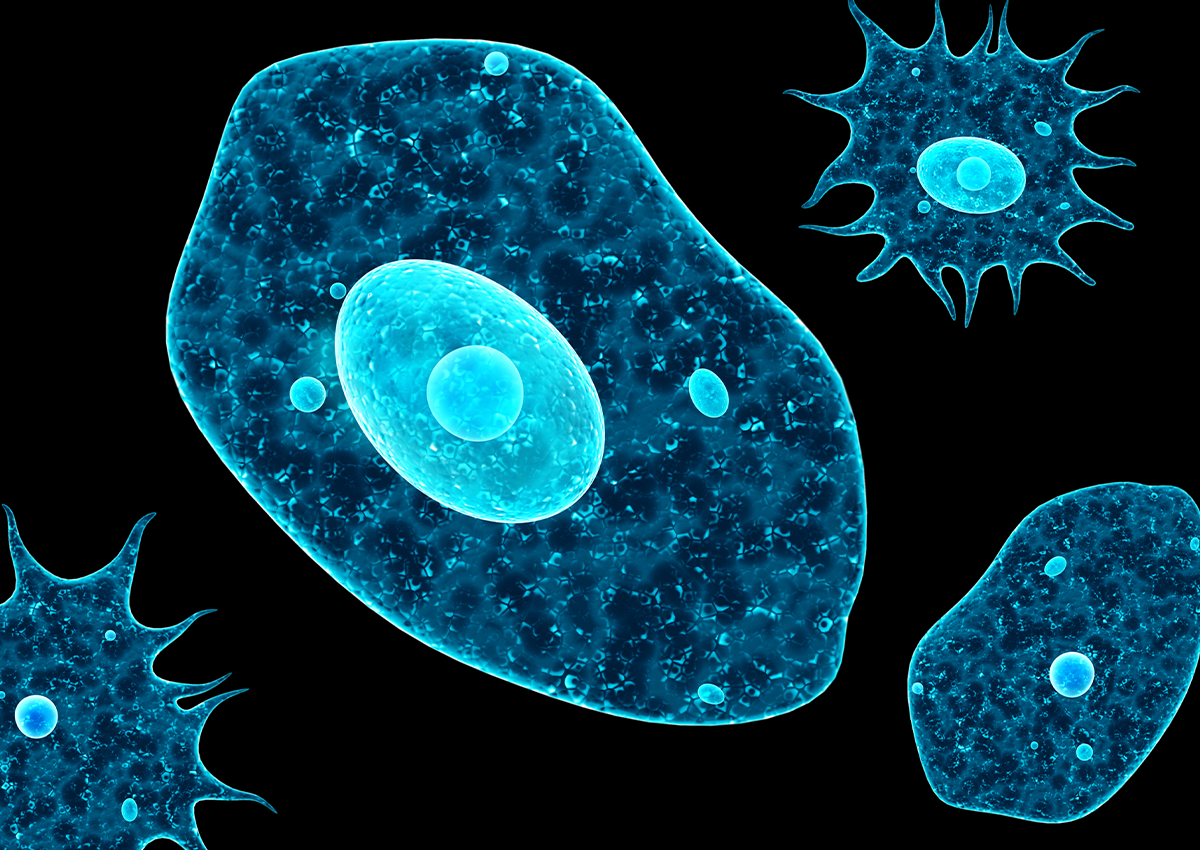
Scientists from the German Federal Institute for Risk Assessment treated ordinary kitchen sponges with various amounts of E. coli, Salmonella, and S. aureus—three bacteria known to cause food poisoning. The sponges allowed all three to gain a foothold and start multiplying after only a few days, even when the initial levels of bacteria were low. In fact, the bacteria persisted in the sponges even after they were dried out for several days. Once the sponges were colonized, it only took a light tough to spread the bacteria to another surface, meaning it’s likely you’re contaminating kitchenware that touches your food.
Read more: “Bacteria Are Masters of Tai Chi”
Even more alarming, the study found that sensory cues like discoloration, odor, and sliminess weren’t associated with any meaningful difference in microbial populations. In other words, if your process for determining whether or not to demote that gnarly kitchen sponge to bathroom duty involves a sniff test, it’s probably already too late.
So what can you do?
According to the researchers, switching to microfiber cloths or brushes can help. Both have been shown to be less friendly to bacterial colonization, and they can be cleaned more reliably. If you do use kitchen sponges, washing them for two minutes in 158 degree Fahrenheit water can cut down on the bacterial load. (FYI: This is hotter than the hot water that comes out of most kitchen sinks.)
They also recommend swapping sponges out more frequently than you’re probably used to. For example, any sponge used to clean a surface that’s touched raw meat should be immediately tossed in the garbage (especially if you live in a household with kids, the elderly, or anyone whose immune system is compromised).
On the bright side, unwrapping a fresh sponge is one of those simple, satisfying, everyday joys—and one we should probably be experiencing every day. 
Enjoying Nautilus? Subscribe to our free newsletter.
Lead image: Tasnuva Elahi; with images by Maria and Not Bad / Adobe Stock