
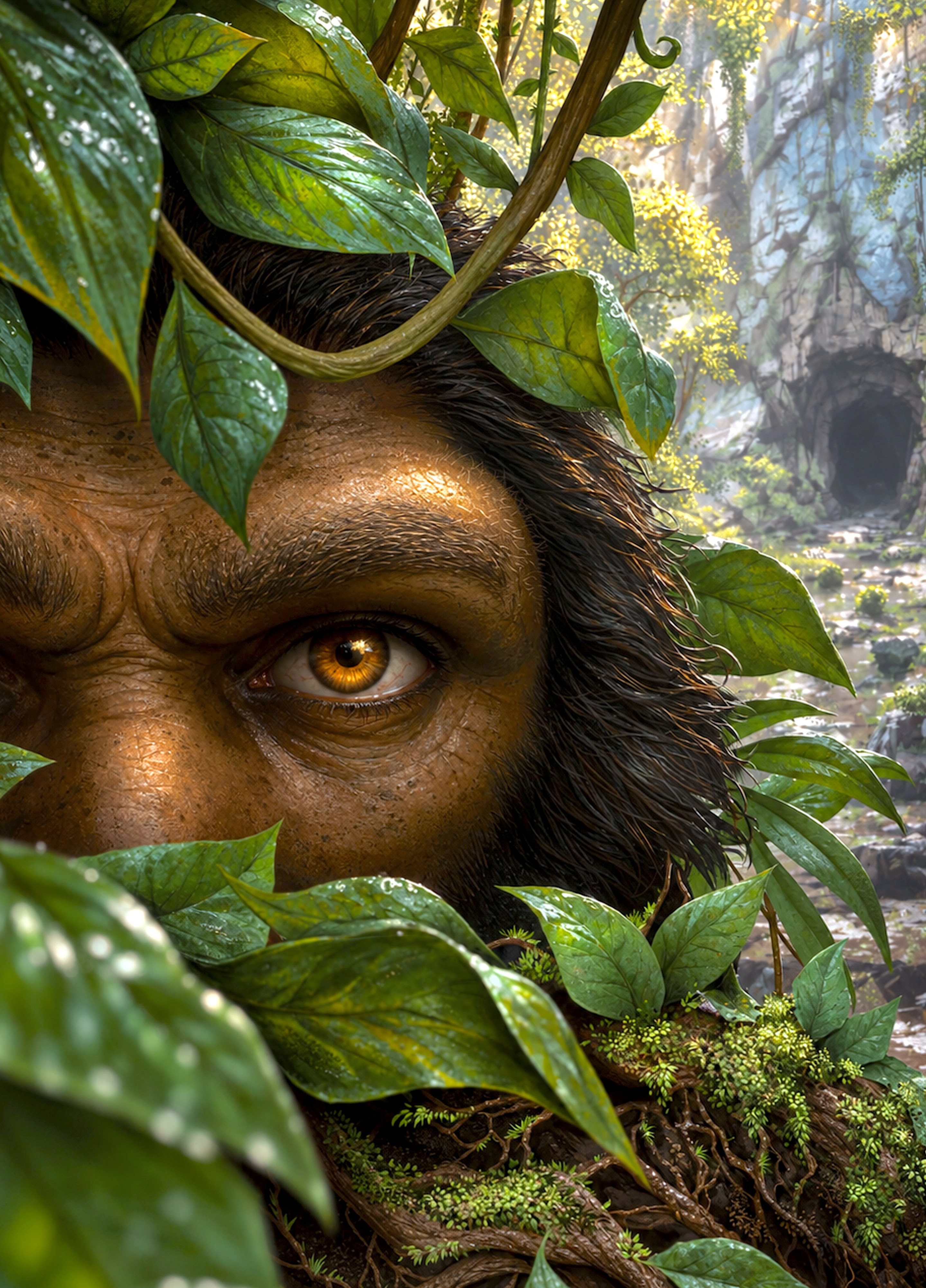
We like to think of ourselves as the pinnacle of hominin evolution (after all, we went to the moon). But if we’re using “length of time on Earth” as our measuring stick, Homo erectus has us beat cold. First popping up on the scene around 2 million years ago, this particular human ancestor was still traveling the globe a scant 100,000 years ago (along with the brand new Homo sapiens). Now, two studies published today are revealing a new chapter in the species’ life—it’s time roaming the jungles of prehistoric China.
Homo erectus reached China roughly 1.8 million years ago, but it was thought to have vanished from the region by around 400,000 years ago. Encroaching tropical rainforests—dense, complex, and dangerous habitats for our savanna-born kin—were thought to have played a role in its disappearance. But that might not be true. According to the studies, H. erectus survived, living in the jungles as late as 324,000 and 184,000 years ago.
Read more: “We Now Know What Denisovans Looked Like”
“This is a fascinating discovery because it confirms the presence of Homo erectus in a location we weren’t expecting and at a time we hadn’t considered,” study author and geochronologist Kira Westaway of Australia’s Macquarie University explained in a statement. “This has huge implications for the timeline of Homo erectus as we attempt to understand the causes of its extinction.”
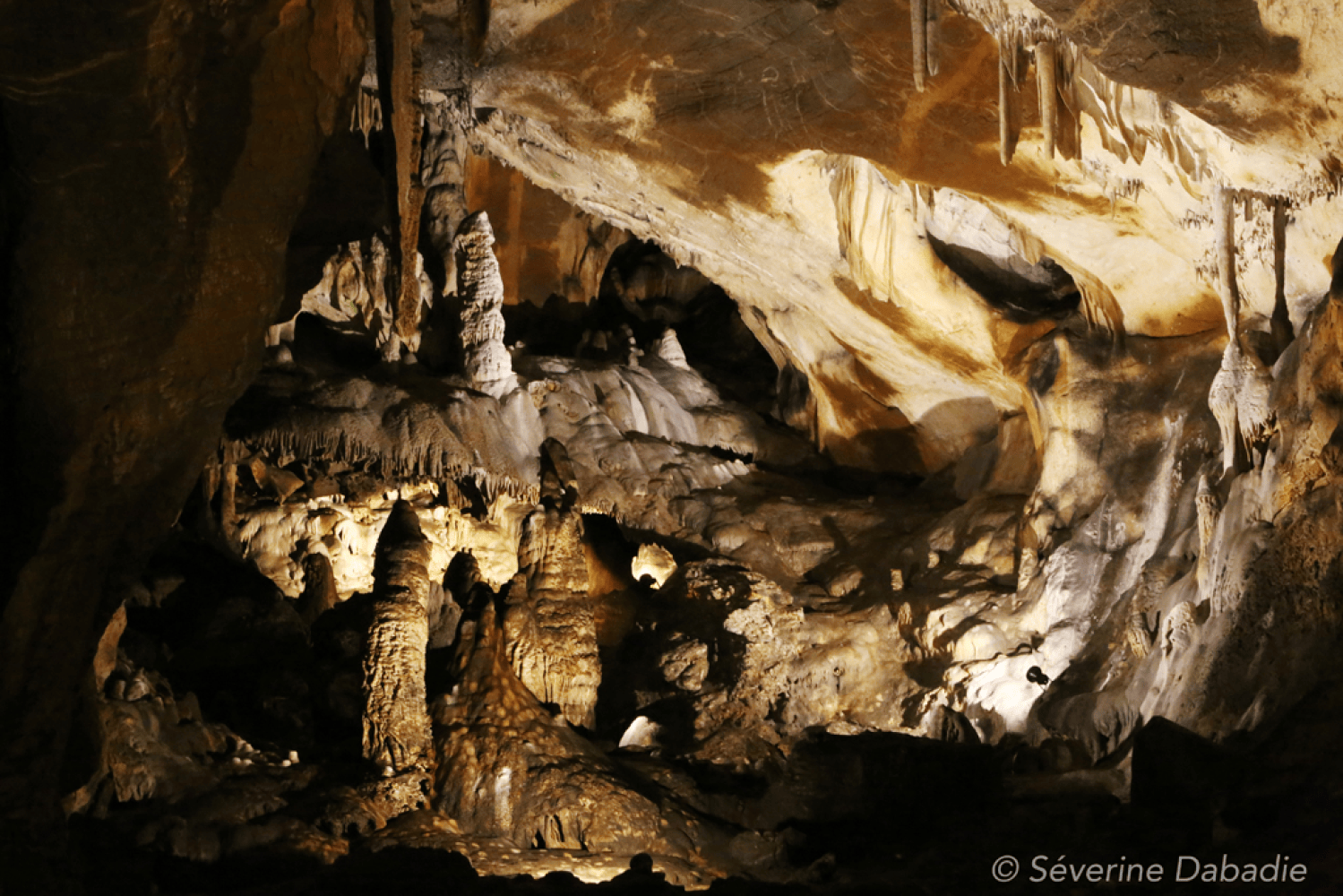
The dating evidence comes from eight teeth found in two limestone caves in China’s Guangxi province investigated by an international team of researchers representing a variety of paleo- fields. An assemblage of fossilized bones discovered alongside the teeth was dominated by forest-dwelling fauna like orangutans, tapirs, and Stegodon, an extinct elephant-like mammal. Per their isotopic analysis, the bones and the teeth shared similar ratios of carbon, indicating H. erectus had been using similar sources of food as the others.
“Teeth can record the environments in which animals and humans lived,” study author Nicolas Bourgon of the Max Planck Institute of Geoanthropology said. “In this case, the animal teeth and the Homo erectus teeth are telling the same story—these individuals were part of a rainforest ecosystem.”
So H. erectus was more than just a jungle tourist, but that doesn’t mean these resourceful hominins didn’t get around. Analysis of strontium isotopes in four of the teeth showed signs their owners ranged farther afield in their youth, with some ratios matching areas as far away as northern Vietnam (although the researchers call this finding “tentative”).
Importantly, the researchers say the evidence only points to H. erectus surviving in the jungles and that they may not have thrived there. Still, the findings suggest adaptability was key to our longest-lived ancestor’s resilience. “These findings change how we think about Homo erectus,” study author Yingqi Zhang of the Chinese Academy of Sciences said. “Finding Homo erectus evidence for the first time amongst a rainforest fauna challenges all our assumptions about their ability to adapt to environmental changes.”
You don’t last two million years on prehistoric Earth without a few tricks up your sleeve. 
Enjoying Nautilus? Subscribe to our free newsletter.
Lead Image: Garciart/Joannes-Boyau