The artificial sweetener aspartame, which is found in everything from diet soda to toothpaste to ice cream, was an accidental discovery. In 1965, American chemist James Schlatter was researching drugs to treat ulcers, which at the time were thought to result from too much stomach acid. He sought to develop a drug that could inhibit gastrin, a hormone that prompts stomach acid to form.
While testing compounds for this medication, he licked a white powder off of his finger as he picked up a piece of paper—a blatant violation of work safety regulations. He noticed that this powder had a “surprisingly potent sweet taste,” and decided to develop it into an artificial sweetener. Schlatter eventually applied for a patent, which was granted on this day in 1970.
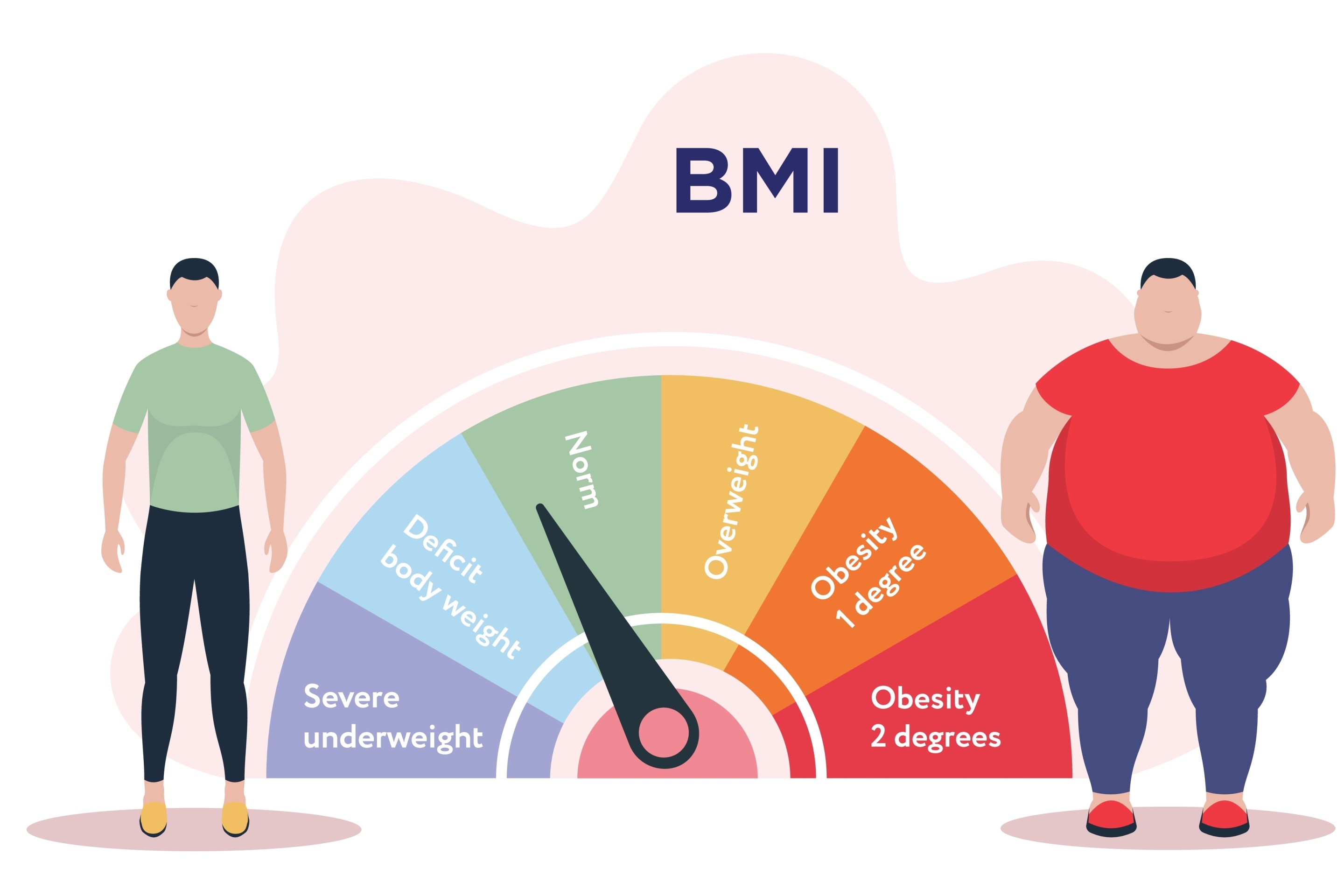
In fact, aspartame is up to 200 times sweeter than sugar, yet contains nearly zero calories. This intriguing property led to its widespread use in a variety of drinks and beverages after it came onto the market in 1981. In its early days, aspartame was thought to help lower obesity rates and offer people with diabetes a sugar-free alternative that wouldn’t cause their insulin levels to spike.
Read more: “Is Fake Sugar Bad for Brains?”
Today, you can find aspartame in more than 6,000 food and drink products, and around 40 percent of Americans regularly consume sugar substitutes. But such sweeteners have attracted tons of controversy in recent years: Some research has linked them to an increased risk of stroke and dementia, anxiety and insomnia, diabetes, cancer, and delayed puberty, among other health consequences. That said, such findings are far from conclusive.
Plus, it’s possible that artificial sweeteners like aspartame mess with the brain’s appetite signals—the sweet taste without the expected calories could actually increase hunger pangs. So while aspartame was intended to aid in weight loss, some studies have tied it to weight gain. In 2023, the World Health Organization even recommended against non-sugar sweeteners like aspartame for weight control, based on evidence that suggests they don’t “confer any long-term benefit in reducing body fat in adults or children.”
However, the WHO and other major health organizations maintain these sweeteners are safe within the daily limits. The FDA, for example, says that people can safely consume aspartame as long as they’re not exceeding the equivalent of 75 packets of the sweetener each day.
Basically, it’s too early to definitely link aspartame with the health harms explored in studies so far. But it’s also important to recognize that added sugar can come with risks, too, and balance the evidence that’s currently available when you reach for a soda, pint of ice cream, or pack of gum. 
Enjoying Nautilus? Subscribe to our free newsletter.
Lead image: Drawlab19 / Shutterstock