Throughout his career in the 1970s and ’80s, Democratic Senator William Proxmire, a deficit hawk from Wisconsin, issued his annual “Golden Fleece Awards,” calling out public expenditures he felt were particularly wasteful. The vast catalog of obscure studies funded by the federal government provided him with a particularly rich well of colorful budget lines to ridicule, like $103,000 for studying the relative aggressiveness of sunfish drinking gin versus tequila.
While Proxmire is no longer with us, his tradition of singling out scientific studies as the tip of an iceberg of government waste lives on, most notably in the cuts made by the Trump Administration’s Department of Government Efficiency (aka DOGE). But are we really better off pocketing the paltry savings of studies that sound silly to taxpayers?
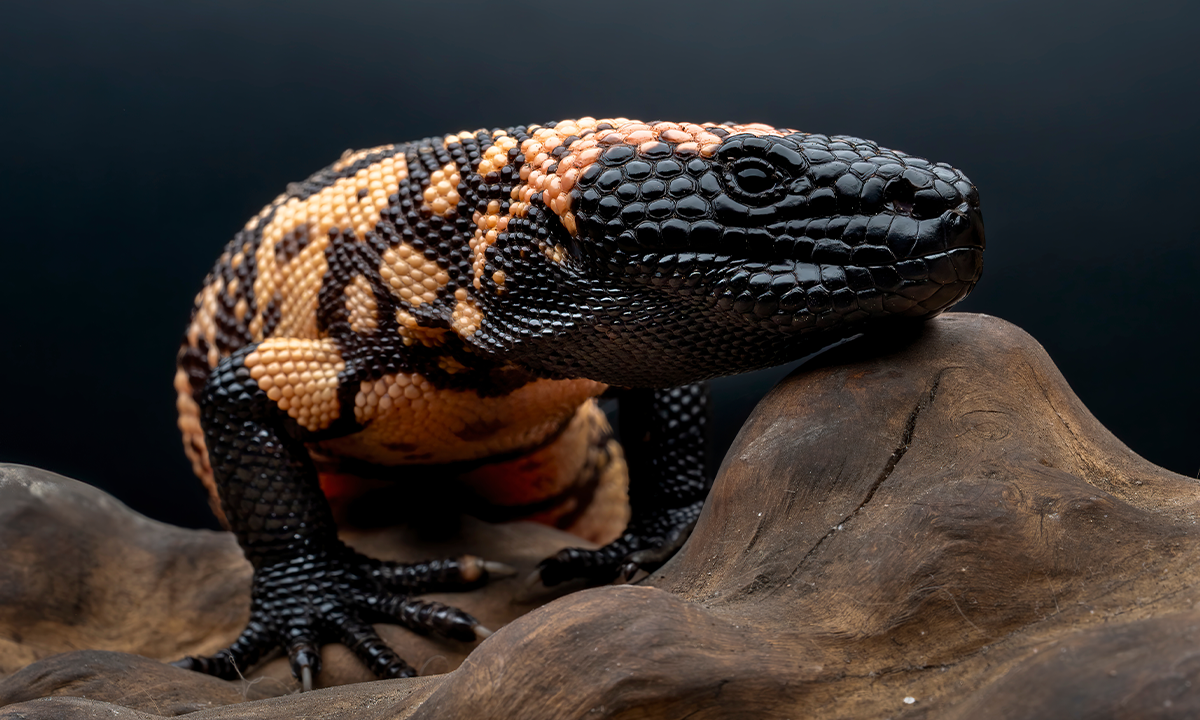
Consider the gila monster. These rough-skinned lizards native to the American Southwest only feed a couple times a year and produce a powerful venom to subdue their prey. This venom, a National Institutes of Health researcher found, caused inflammation in the pancreases of test animals. Endocrinologist John Eng of the Veterans Affairs Administration, searching for ways to control diabetes, took note of this fact, and started researching gila monster venom in the early 1990s.
Read more: “Why Scientists Need to Get High”
Eng managed to isolate the molecule responsible, a protein called exendin-4 bearing a remarkable resemblance to human glucagon-like-protein-1 (GLP-1), which stimulates insulin production. When administered to diabetic laboratory mice, he discovered it kept their blood glucose down for hours at a time.
It was an incredible finding.
The researchers who first identified GLP-1 had tried and failed to turn it into an effective diabetes treatment. Secreted shortly after meals, the hormone disappears in mere minutes, and the high doses required to keep GLP-1 levels up also caused a raft of adverse side effects. Exendin-4, on the other hand, was able to linger for hours and keep blood glucose levels in check.
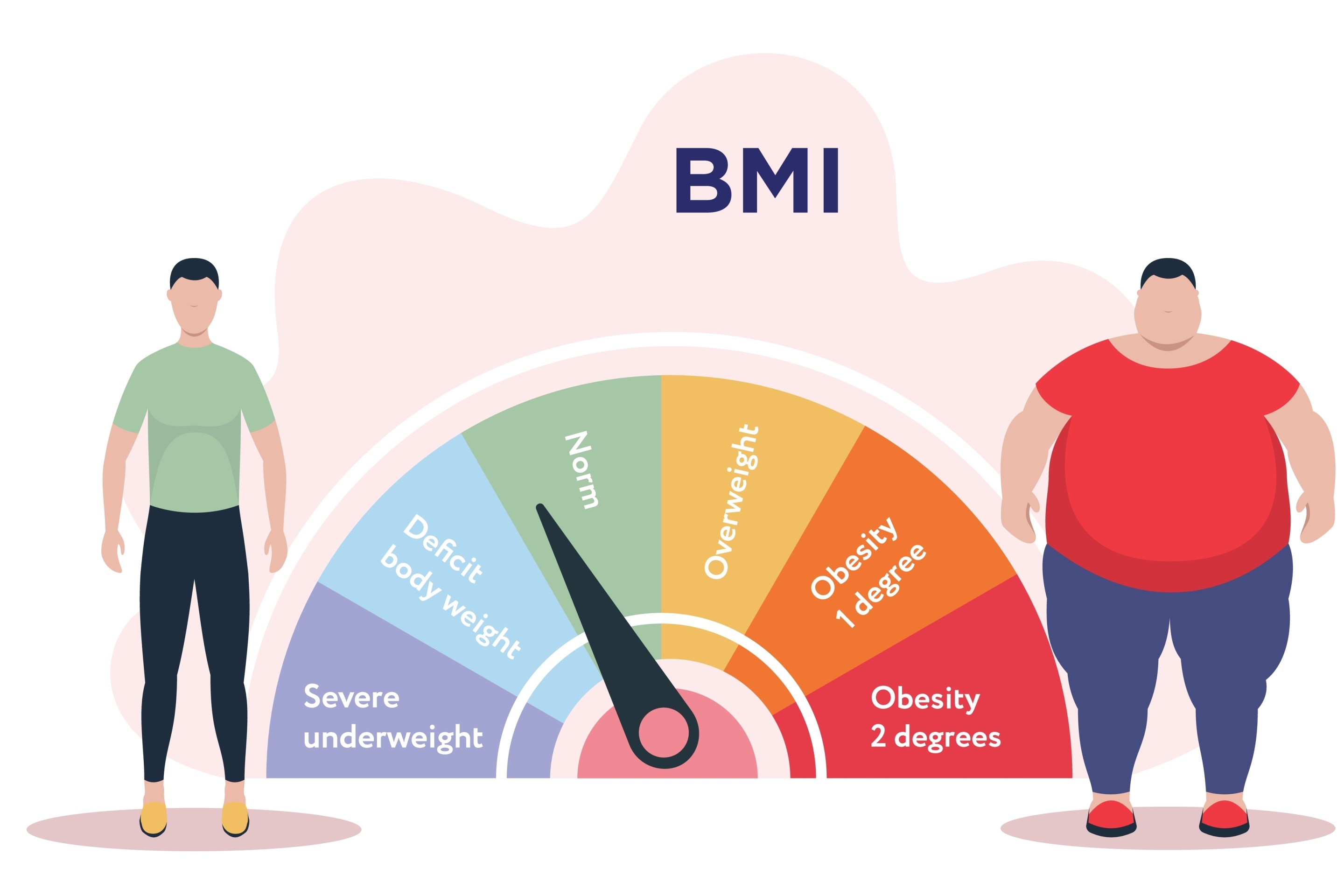
The researchers then turned to Eng’s work—and the gila monster—to create a treatment with more staying power. Partnering with Novo Nordisk, the team used exendin-4 as a model to build the first synthetic semaglutides capable of keeping blood sugar low for long periods of time. Today we know them by their brand names: Ozempic, Wegovy, and a host of others.
While the Veteran’s Affairs Administration declined to file a patent for Eng’s work, he did manage to bring his own diabetes drug to the market and notch another victory as well. In 2013, Congressman Jim Cooper created the “Golden Goose Awards” to highlight seemingly frivolous scientific research of immense public benefit. Eng was among the first recipients. 
Enjoying Nautilus? Subscribe to our free newsletter.
Lead image: Lauren Suryanata / Shutterstock