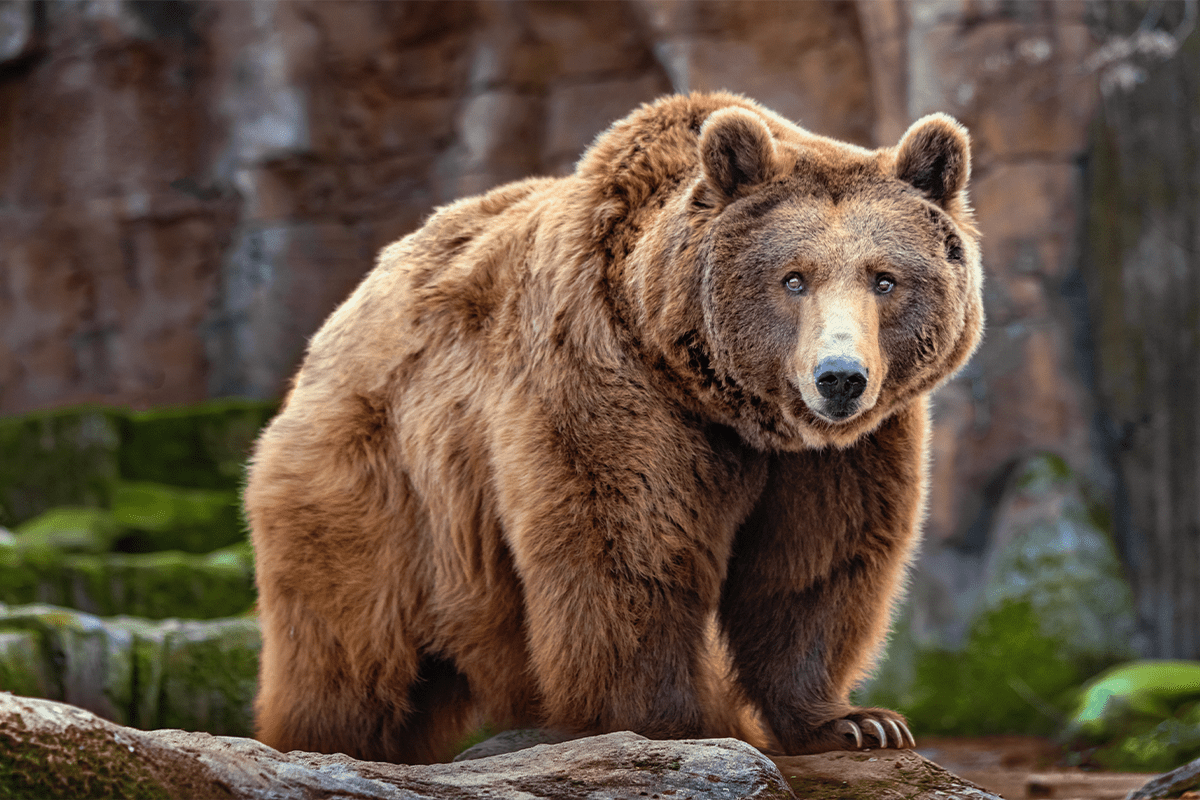
If you’re visiting a national park this summer, you’ll see plenty of signs warning you to steer clear of local wildlife. It’s good advice, but wild animals are famously unpredictable, and even the most conscientious parkgoers can find themselves on the wrong side of teeth, claws, and antlers. To that end, a new study published in Frontiers in Conservation Science highlights the outdoor activities where you’re most likely to encounter aggressive wildlife—and the animals responsible.
Conservation biologists from York University in the United Kingdom sifted through scores of reports of aggressive wildlife from Canadian national parks to identify which animals and which activities hold the most risk for parkgoers. The study included incidents from the full range of outdoor excursions—from relaxed nature walks to extreme sports—and a rich assortment of wildlife responsible for the hostility.
The animal most likely to threaten parkgoers? Elk, which were involved in 62 percent of aggressive encounters. It might come as a surprise given the parks are home to predators like grizzly bears (which came in second at 14 percent) and black bears (13 percent), but it makes sense. Elk become a lot more territorial during their mating and calving seasons, and aren’t shy about letting interlopers know they’re on the wrong turf. They also have a love-hate relationship with humans, congregating near them when actual predators are near and treating them as predators themselves when they feel threatened, researchers say.
Read more: “How to Dodge a Mountain Lion”
The activities where parkgoers were most likely to come across angry animals were the quiet ones, like hiking and wildlife spotting (25 percent of incidents, many involving bears), but also townsite activities (22 percent). Per the researchers, this is because animals that wander into populated areas (again, typically elk) are more likely to become agitated (so watch your back when you’re window-shopping). Adventure sports made up only 4 percent of aggressive animal encounters (coyotes aren’t likely to chase you down in a kayak).
So what can you do to avoid finding yourself staring down an angry animal?
“Announcing yourself is a good idea, especially for grizzly bears,” study author Holly Landles advised in a statement. Hiking in large groups, talking, and whistling while you move through their habitats can alert wildlife to your presence, giving them a chance to scurry off. The researchers also recommend keeping dogs on a short leash and checking park information for notices about wildlife sightings and trail closures.
Finally, remember: There’s no picture or video worth your life. The last thing you want to do is wind up on the news for trying to capture the perfect Instagram selfie. 
Enjoying Nautilus? Subscribe to our free newsletter.
Lead image: perpis / Adobe Stock