We think of birds as champions of flight. Spotted sandpipers, for example, fly from their breeding grounds in Canada several thousand miles south to Central and South America in the winter. But some of their chunkier cousins in the same family (Scolopacidae) favor shorter distances. Case in point: A study published yesterday in the journal PNAS details how sandpiper cousins colonized all corners of the world despite their less streamlined body types.
“The distribution of woodcocks and snipes around the world is really unusual,” explained study author John Bates, an evolutionary biologist at the Field Museum in Chicago. “They’re not terribly aerodynamic, and yet they’ve clearly gotten around.”
Read more: “How Did Birds Outlive the Other Dinosaurs?”
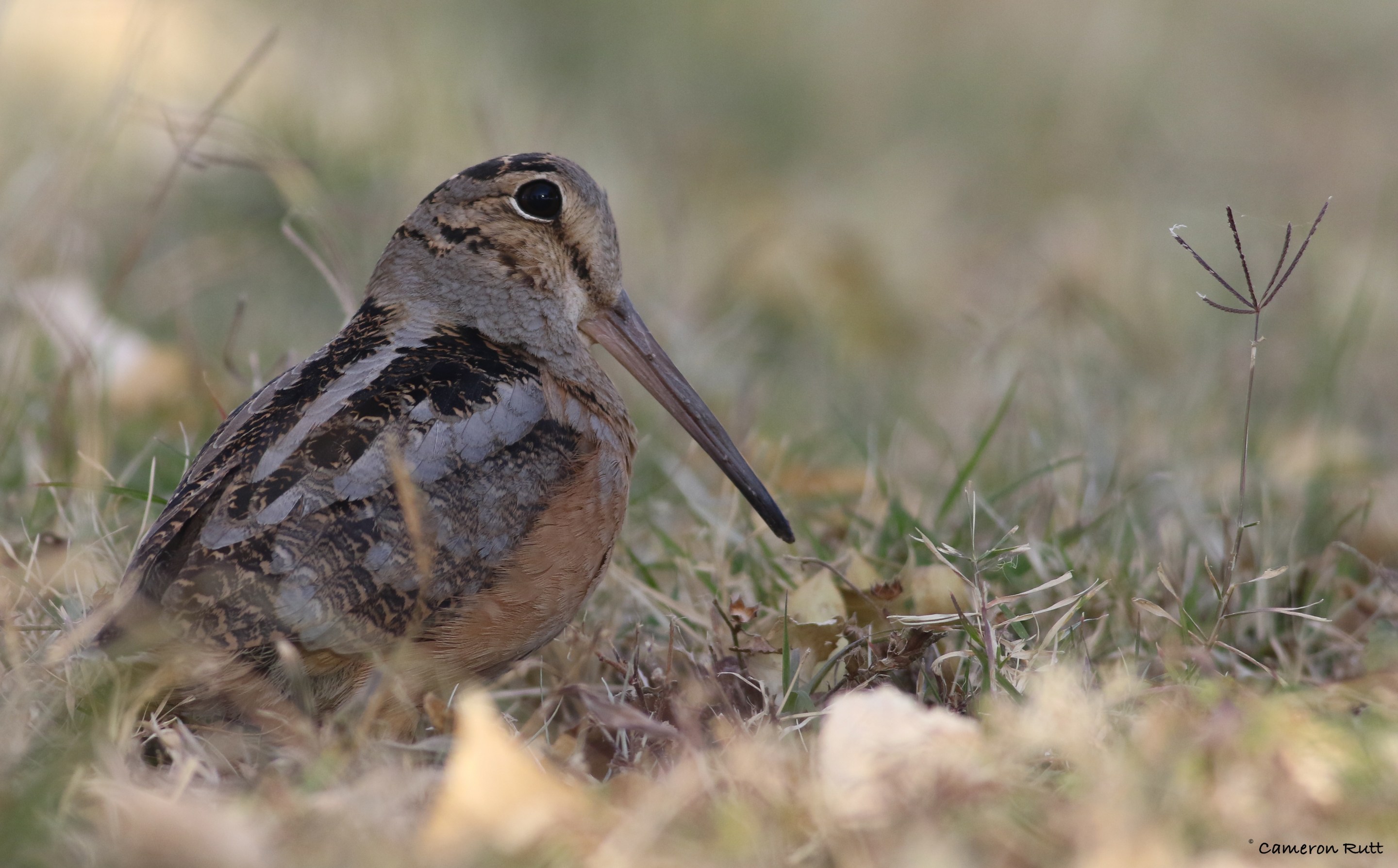
The eight living species of woodcocks (genus Scolopax) look more like footballs with short legs and heavy bills than adept flyers. Similarly, the 22 living species of snipes (Gallinago and Coenocorypha) are stocky wading birds with long bills. None of them are migratory, yet woodcocks and snipes previously colonized islands as far-flung as the Southwest Pacific and the Caribbean.
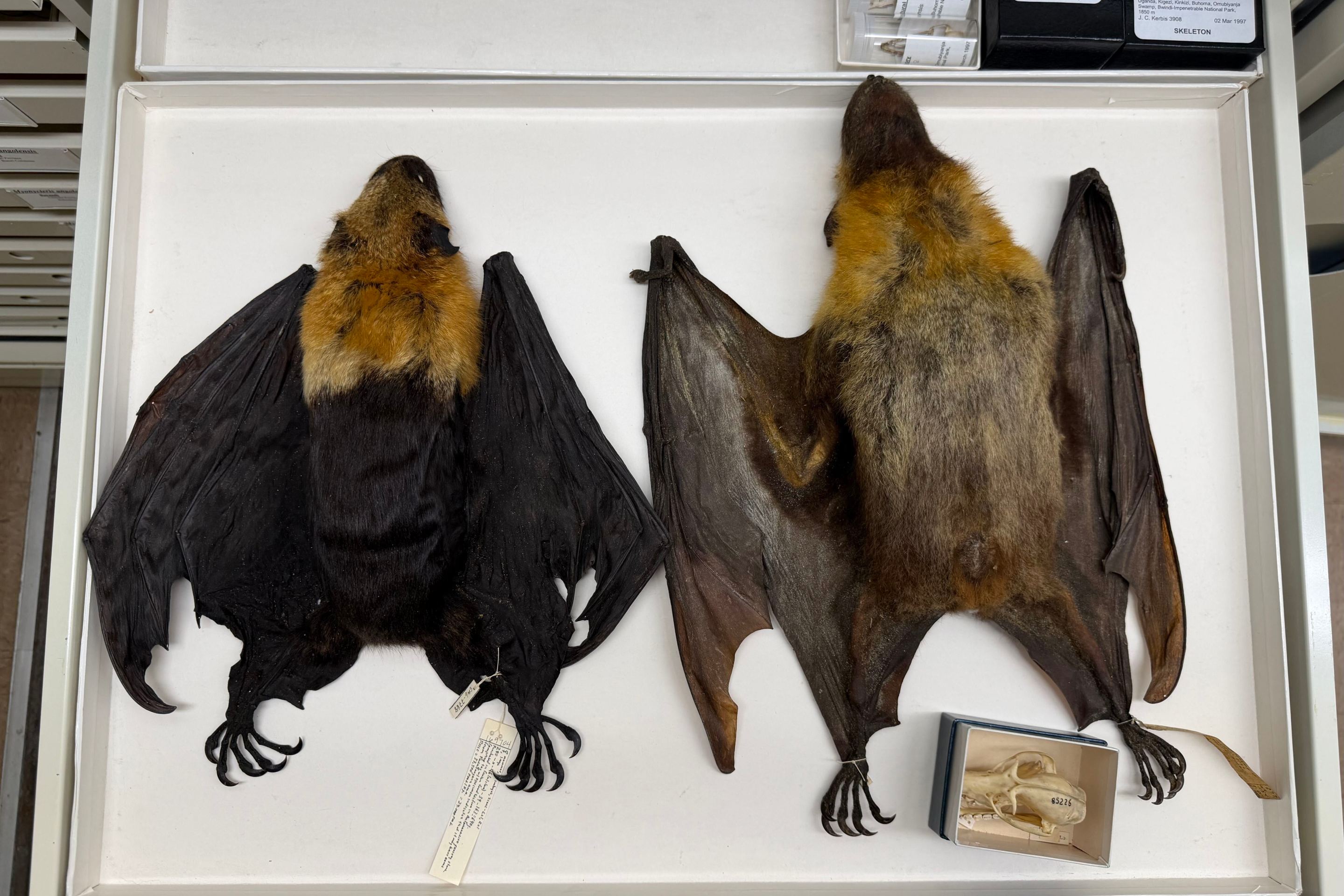
The study authors sequenced DNA from museum specimens of 36 living species of woodcocks and snipes, plus two extinct species. Augmented with data in the GenBank database of genetic sequences, they acquired DNA sequences for 50 species, from which they assembled a family tree.
The results showed that over the 20 to 25 million years of snipe and woodcock existence, they’ve covered a lot of ground. Their ancestors lived in Europe and Africa, and the genetic data showed four dispersals across the Atlantic to the Americas. In fact, the birds inhabiting New Zealand and other Pacific islands turned out to be a subgroup of South American snipes, which are sisters to the now-extinct Caribbean birds. As for woodcocks, they live in North America, plus on islands in the Japan archipelago.
How snipe and woodcock ancestors traversed oceans remains a mystery. Other animals, like iguanas in Fiji, are thought to have rafted across the Pacific Ocean on floating debris. Perhaps these birds followed suit. Alternatively, they may have strayed outside their usual ranges during extreme weather events and ended up hopping/flying across the Arctic or Antarctic when it had more patches of tundra before a shift to cooler climate about 13 million years ago, according to the paper.
Once they colonized islands, woodcocks and snipes evolved into the odd football-like birds we know today. “Migration can promote diversification when a migratory ancestor gives rise to a sedentary descendant lineage, i.e., migratory drop-off,” explained the study authors.
In other words, they may have gradually given up their migratory abilities as they adjusted to island life, a trend that’s been recorded in other island bird species that forage on the ground—and, of course, many tropics-seeking humans as well. 
Enjoying Nautilus? Subscribe to our free newsletter.
Lead Image: The Field Museum