We all like to believe we have a moral code, but we still fail to live up to it from time to time—it’s an unfortunate part of the human condition. But what’s going on in our brains when we know the right thing to do, but still do the wrong thing?
Research published today in Cell Reports suggests that these moral failings are mediated by a specific region of the brain.
“As neuroscience researchers, we wanted to understand why knowing the right thing to do doesn’t always translate into doing it,” study co-author Xiaochu Zhang of the University of Science and Technology of China said in a statement.
To investigate, Zhang and a team of neuroscientists used functional magnetic resonance imagery, or fMRI (which has become controversial in recent years), to scan the brains of people while they performed a task requiring them to balance honesty and profit. During the task, participants could earn more money by being dishonest, but were then asked to rate how moral their behavior was on a scale from “extremely immoral” to “extremely moral.” They also rated the morality of others who undertook the same assignment.
Read more: “Our Morals Change with the Seasons”
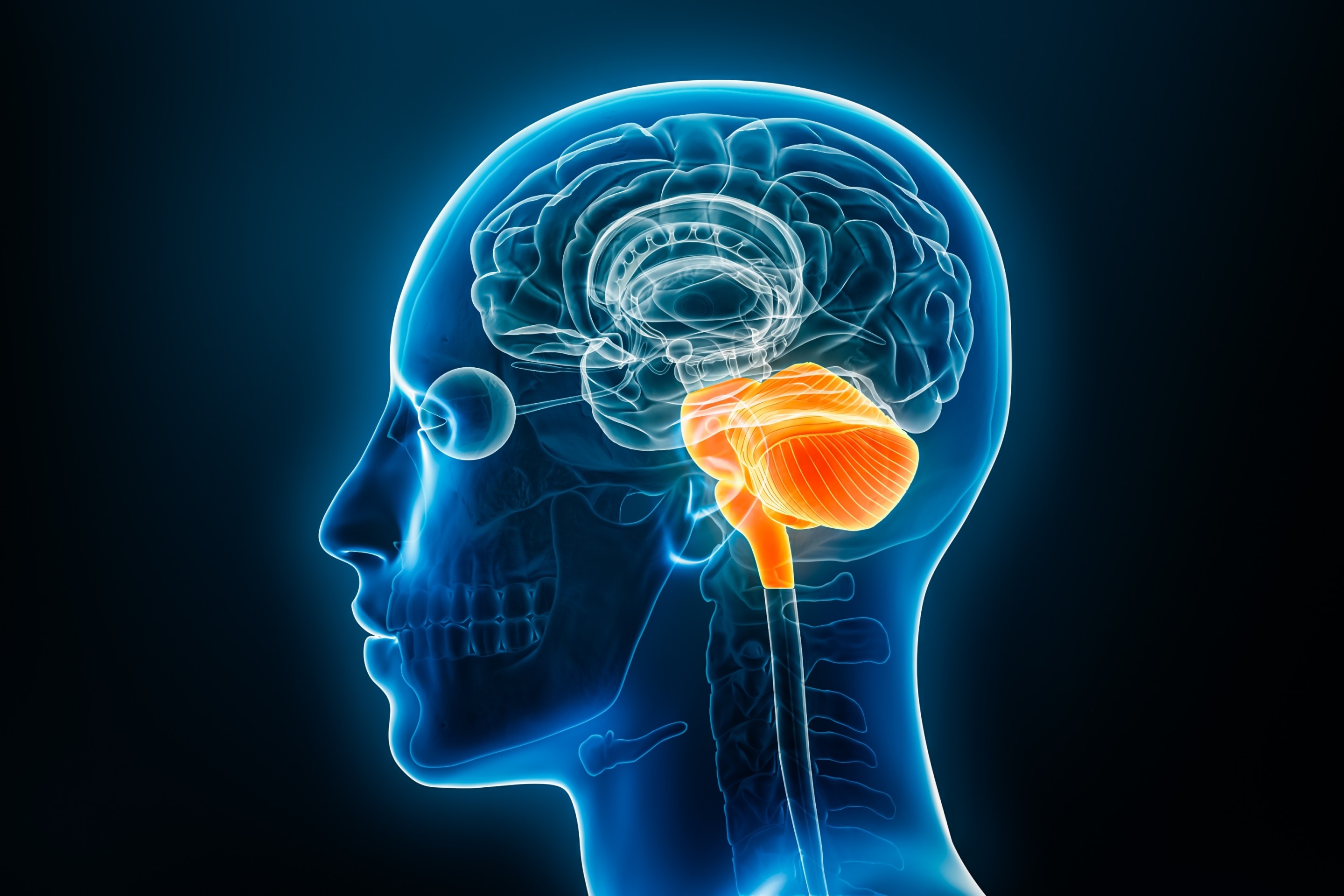
The researchers found that those who were morally consistent—meaning they judged their actions and others’ actions with the same moral measuring stick—experienced more blood flow in the ventromedial prefrontal cortex (vmPFC), a region of the frontal lobe involved in decision-making, emotional regulation, and morality. Those who were morally inconsistent—meaning they judged others’ actions more harshly than their own—showed less activity in the region.
Next, the team set out to determine if vmPFC activity played a causal role in moral inconsistency. The researchers used a noninvasive procedure (transcranial temporal interference stimulation) to stimulate the vmPFC with a magnetic field prior to the same tasks. Interestingly, the participants whose vmPFCs got goosed then displayed more morally consistent behavior.
“Moral consistency is an active biological process,” Zhang explained. “Being a ‘moral person’ requires the brain to integrate moral knowledge into daily behavior—a process that can fail even in people who know the moral principle perfectly well.”
In other words, the “moral failing” here isn’t the absence of a moral code, but the failure to actually apply it to our own actions. Moral consistency, the researchers say, is a kind of skill that can be strengthened through decision-making. It’s a good goal to aim for; we could all use a little more morality in our lives. 
Enjoying Nautilus? Subscribe to our free newsletter.
Lead image: Triff / Shutterstock