The earliest known dinosaurs lived in Tanzania 240 million years ago—at least that was the best evidence-based hypothesis until yesterday, which is when the Journal of Vertebrate Paleontology published a new study that now shifts the scientific understanding of dinosaur origins.
The study describes a set of fossils, originally excavated from the Manda fossil beds in what is now southwestern Tanzania during a 1963 British expedition, that were stored at the Natural History Museum in London. Initial research showed that they belonged to a group of mammal ancestors called dicynodonts that were common during the Triassic, before dinosaurs rose to prominence.
Read more: “The Dainty Dinosaur That’s Rewriting Evolutionary History”
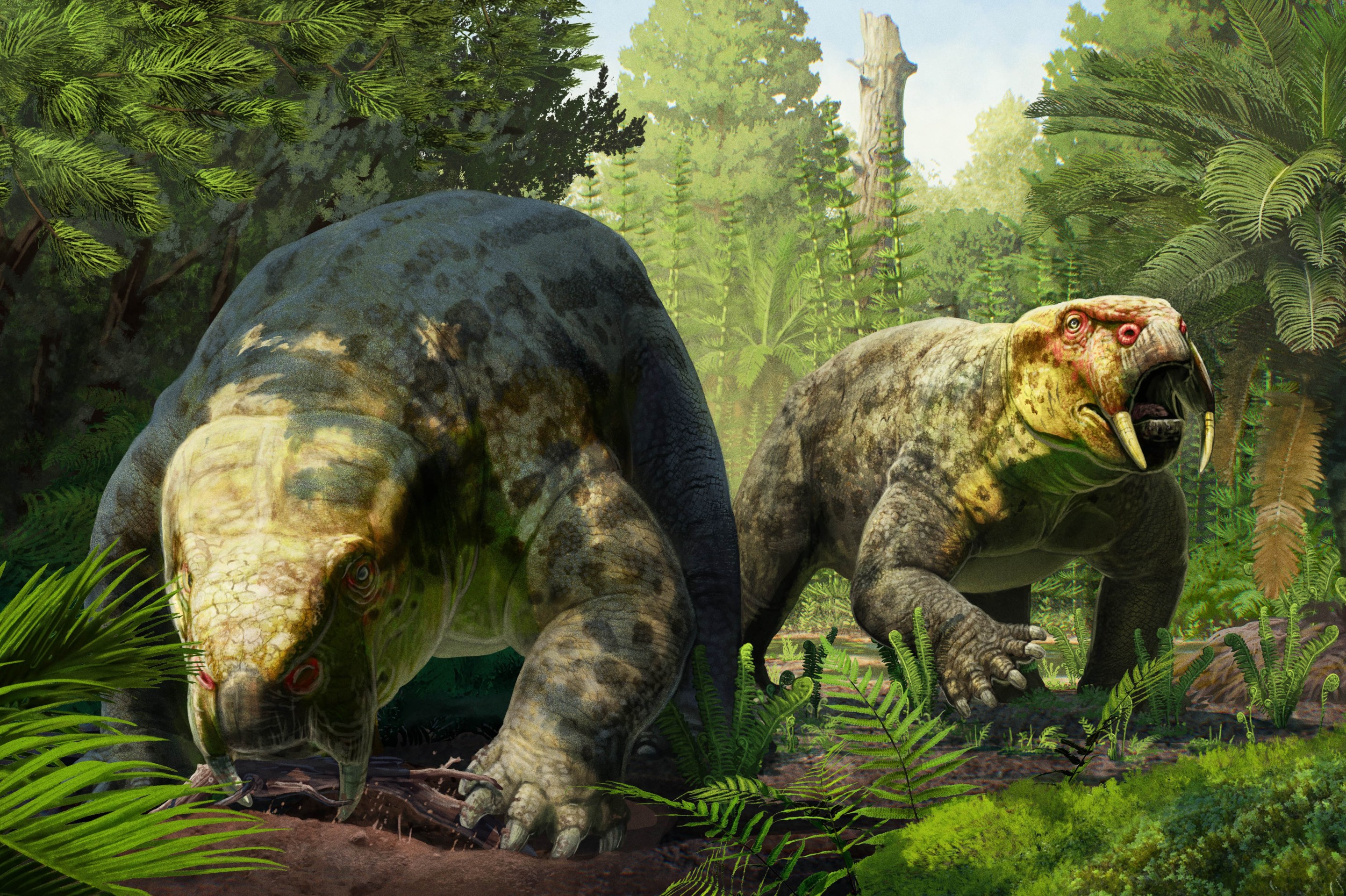
But more than 60 years later, lead study author Hady George, a doctoral student at the University of Bristol, reexamined one of the fossils from the collection using micro-CT scanning and recognized it as a new species of dicynodont. Combined with a more recently collected skull from the Manda fossil beds, its narrow jaw tip, squared-off snout, tusk shape, and other distinctive features clearly align it with the genus Dinodontosaurus. The new species was dubbed Dinodontosaurus isiyavamanda, honoring the Wamanda people of Tanzania.
The twist is that the genus Dinodontosaurus was previously unknown from the African continent. “Our discovery marks the first confirmed record of the genus Dinodontosaurus outside South America,” explained George in a press release. “The finding links the Tanzanian and South American fossil-bearing rocks, showing they’re of equivalent age.”
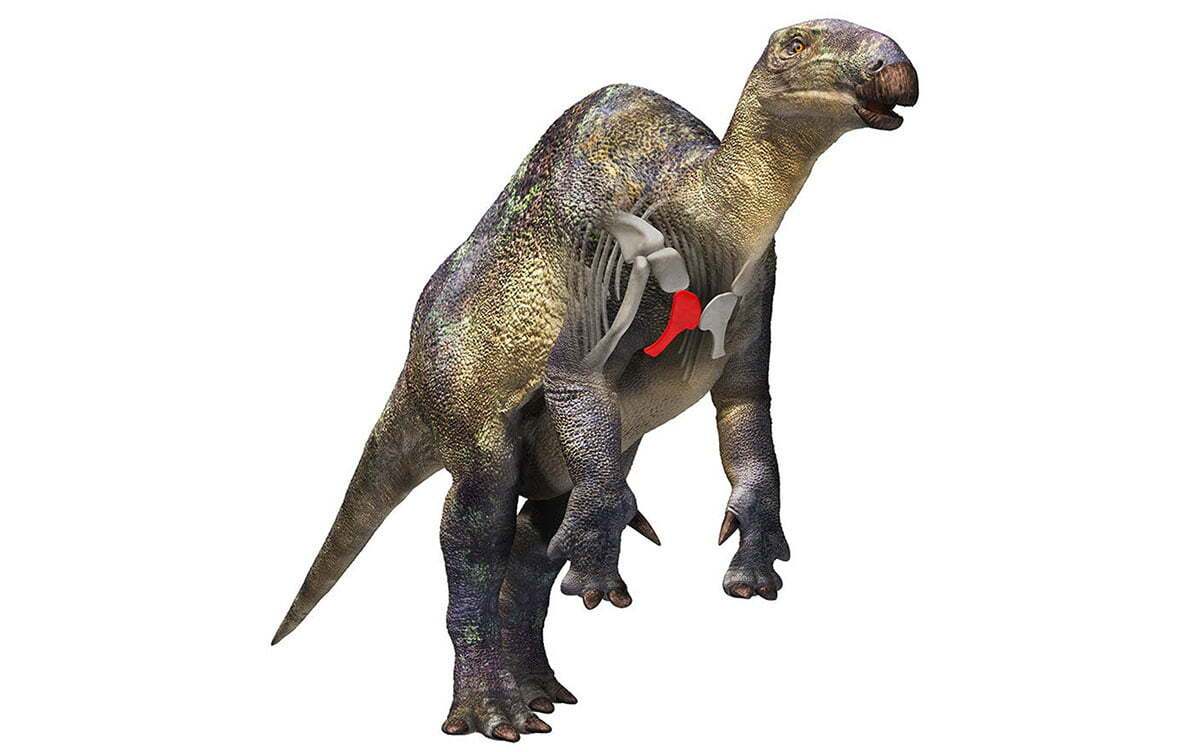
Until now, the Tanzanian rocks, which also yielded what was declared in 2012 the oldest known dinosaur fossils—of the dog-sized Nyasasaurus parringtoni—were thought to be older. But the coincidence of Dinodontosaurus at both sites merits the conclusion that the Tanzanian rocks were deposited at the same time as the South American rocks, toward the Late rather than the Middle Triassic, which shifts the field of contenders for earliest known dinosaurs.
Or as George explained, “This helps confirm that the oldest dinosaur candidates from Tanzania are probably no older than those from South America, refining the timeline of dinosaur origins.” 
Enjoying Nautilus? Subscribe to our free newsletter.
Lead Image: Gabriel Ugueto