
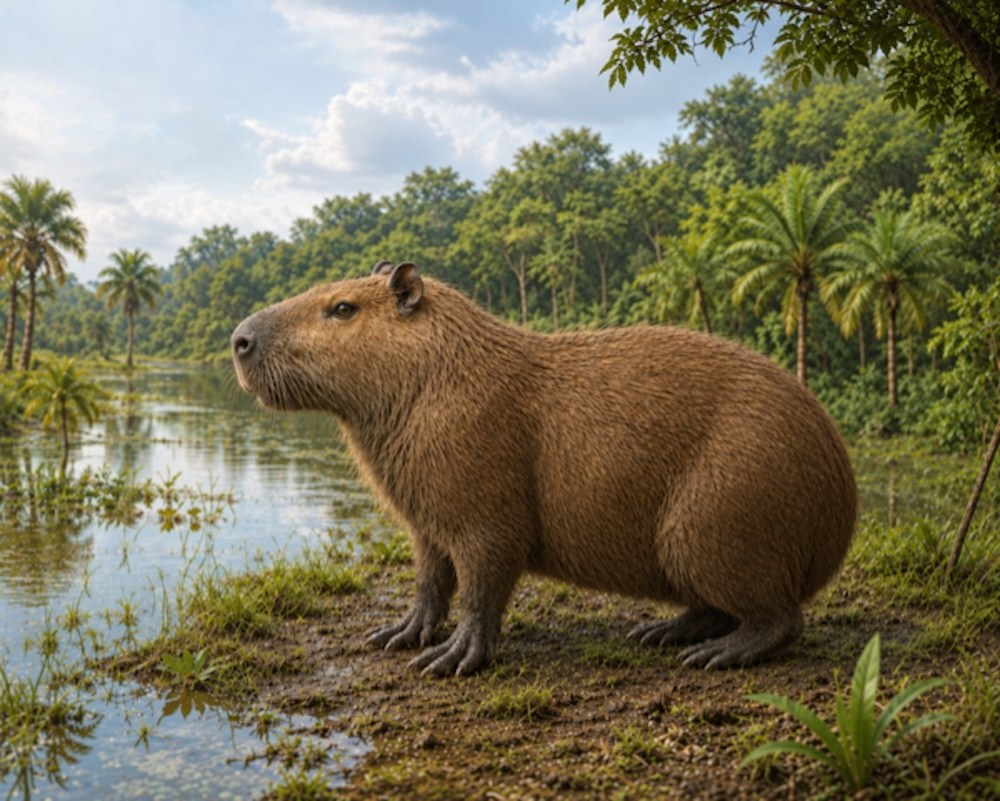
Some people (not naming any names) are repelled by large rodents. But a city rat is a pipsqueak compared to some of the rodents that used to inhabit Earth. Case in point: A recent study published in Scientific Reports described an ancient dalmation-sized rodent about 66 times the weight of New York City’s least favorite alley dwellers.
The new species lived in southern Thailand about 34 million years ago, and it’s an impressive entry in the annals of animal “gigantism.” The researchers picked out the new creature from fossils of its lower molar and incisor found in the pit of a lignite mine with sediments suggesting a habitat interspersed with lakes. Its given name, Yakamys sirindhornae, translates to giant (Yak in Thai) and rat or mouse (mys in Greek), while honoring Thai Princess Maha Chakri Sirindhorn for her support of science (who doesn’t want an ultra-husky rat named after them?).
Read more: “How City Rats Are Becoming Resistant to Poison”
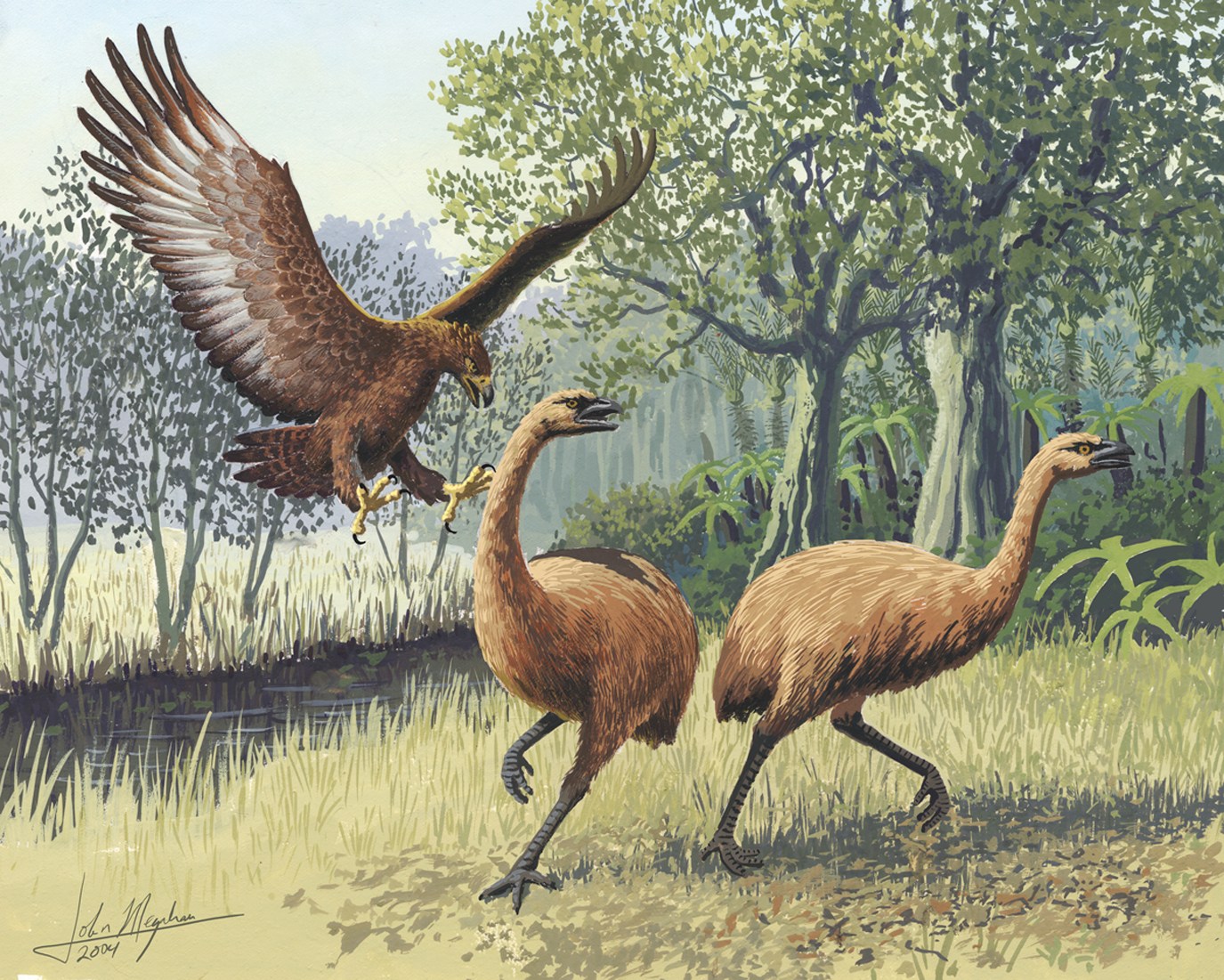
Researchers knew that some rodents had giganticized in the past. In a generalized theory that’s been in the works since the 1960s, species on islands or under other forms of isolation become larger in response to the absence of predators, the unpredictable availability of resources, or other factors.
Rodent examples have been best documented from South America with some species still around today, like capybaras, agoutis, and guinea pigs. That said, fossils of giant rodents are sparse in the fossil record elsewhere, and only small-bodied species had been uncovered in China and India until now. “This discovery suggests that Southeast Asia also played an important role in the early evolutionary history of large-bodied rodents,” explained study author Virginie Millien, a paleontologist at McGill University in Canada, in a press release.
The curious factor here, though, is that the fossil’s location and the other mammals found in the fossil deposits don’t indicate an island environment. All of which leaves why Y. sirindhornae became such a giant a big mystery. 
Enjoying Nautilus? Subscribe to our free newsletter.
Lead Image: Yaowalak Chaimanee