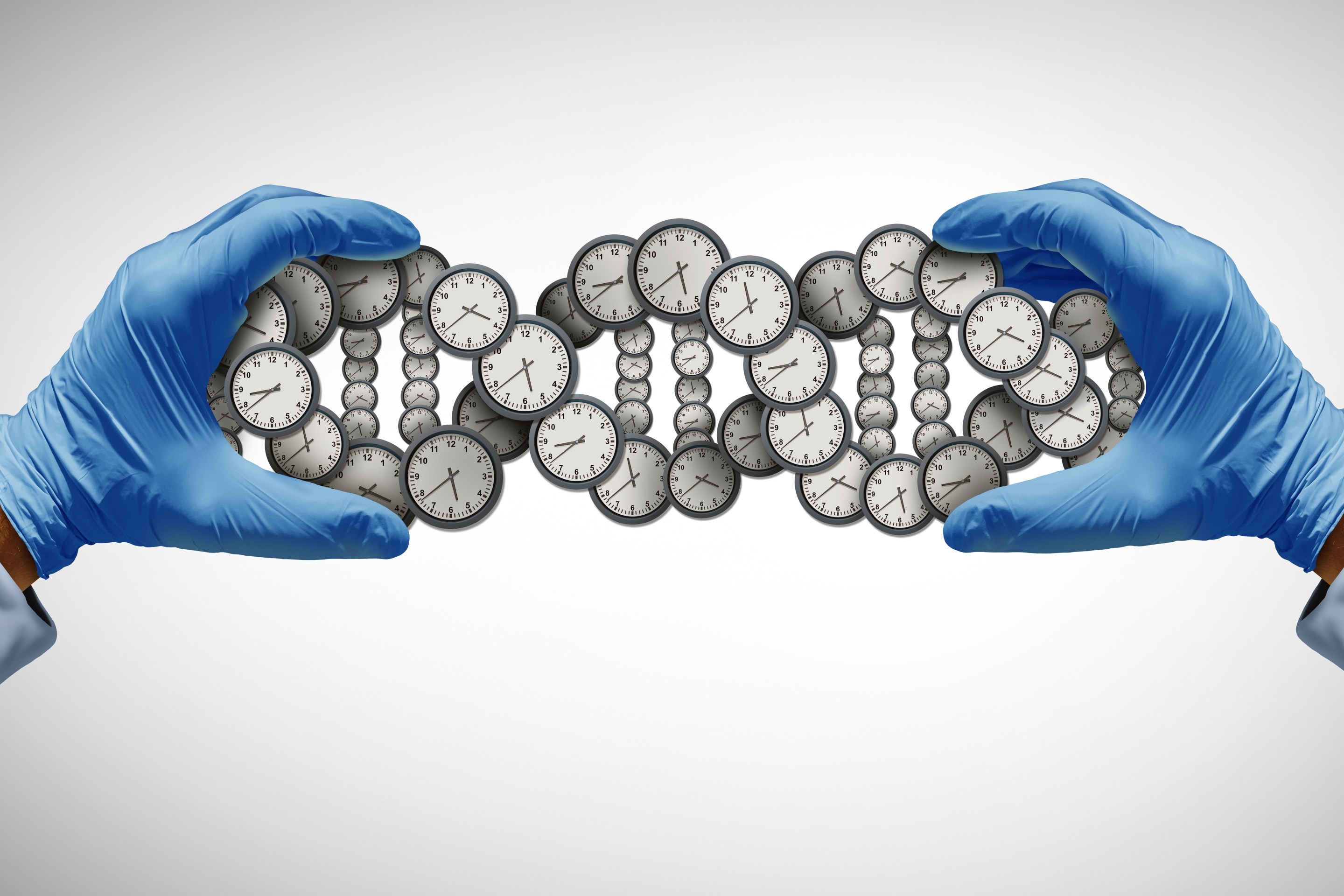
There’s morning sickness and then there’s hyperemesis gravidarum (HG). Affecting around 2 percent of women, this heinous pregnancy complication causes extreme nausea and vomiting that can lead to dehydration, weight loss, and even death. Like many other women’s health issues, HG was dismissed as psychological for many years, but recent research has probed genetic causes. Now, a massive new study published in Nature Genetics has discovered six more genes linked to the illness.
In the largest genome-wide association study of women with HG so far, an international team of researchers examined the genomes of almost 11,000 women with the disorder from European, Asian, African, and Latino ancestries, along with the genomes of women without symptoms. In total, they identified 10 genes connected to HG, four of which were already known.
“Because this is the largest study of HG ever conducted, we’ve been able to tease out important new details that were previously unknown,” study author Marlena Fejzo of the University of Southern California said in a statement. “The fact that we’ve studied women from multiple ancestry groups suggests that these results may be generalizable across a broad population.”
Read more: “How Childbearing Leaves Its Imprint on Mothers’ Biological Age”
The strongest link discovered was for the growth differentiation factor 15 gene (GDF15). Involved in growth and cell repair, this gene controls production of a hormone with the same name, which is expressed in most organs and increases production after injury. It’s also produced by the placenta, causing GDF15 levels to skyrocket during pregnancy.
Previous research has shown that women exposed to lower levels of GDF15 prior to pregnancy experience more severe HG symptoms than those exposed to higher levels. Researchers believe these higher levels reduce sensitivity to the sharp increases of GDF15 during pregnancy, protecting women from the disease. Moving forward, Fejzo and her team plan to study whether metformin, a diabetes medication that increases GDF15 levels, could be given to women before pregnancy to reduce sensitivity and prevent HG symptoms.
And the links to diabetes don’t stop there. One of the new genes associated with HG (called TCF7L2) is also a risk factor for both type 2 diabetes and gestational diabetes, and could be involved in GLP-1 activity. “This is a brand-new target, and it’s not yet clear what it’s doing in pregnancy,” Fejzo said.
Other genes linked to HG include those involved in appetite and nausea, as well as shortened pregnancy length, preeclampsia, and brain plasticity. With so many new targets to investigate, this study should keep researchers busy for quite a while. “Now that we’ve more than doubled the genes associated with HG, we can dig deeper into the biology behind this condition, as well as new possible pathways for treating it,” Fejzo said.
Hopefully some day soon hyperemesis gravidarum will become a relic of the past—just like the doctors who dismissed it as a psychological disorder. 
Enjoying Nautilus? Subscribe to our free newsletter.
Lead image: Papilouz Studio / Adobe Stock