Long before modern chemistry transformed it into cocaine, the ancient Incas revered the coca plant. In fact, if you asked for directions to a local settlement, chances are you’d be given the distance in “cocadas,” or how many wads of coca leaves you might go through on your journey. Beyond chewing it for a mild pick-me-up, the Incas used the plant as medicine, currency, and more. According to a new study, it was also used as an offering in ritual animal sacrifices.
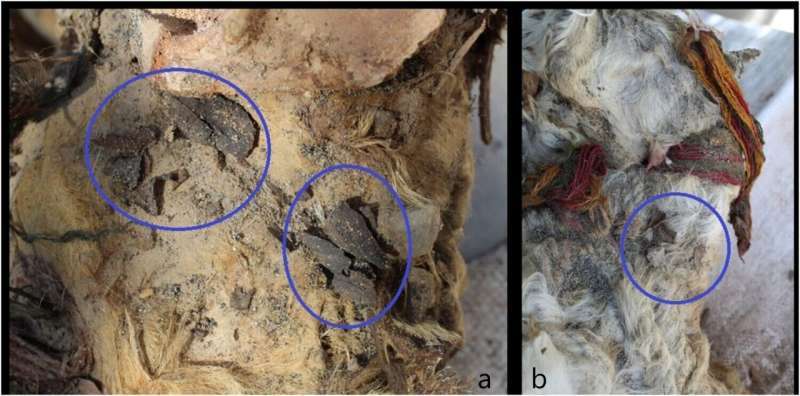
Excavating Tambo Viejo in 2024, an Incan settlement dating back to the 1400s in southern Peru, archaeologists uncovered a tomb with the bodies of nine llamas and more than 200 guinea pigs. All of the animals had been prepared for sacrifice, their faces painted with red dots, tassels in their fur, and coca leaves tucked in as well.
Read more: “Was This Mysterious Mountain Feature an Incan Tax Document?”
It’s the first time researchers have uncovered physical evidence of coca leaves being used in rituals at the site, and it contradicts written records of coca’s role in Inca ceremonies. Because the Incas lacked a traditional written language, much of what we know about them came from the writings of conquistadors who conquered and subjugated the Incan people in the 1500s. Their reports only mention bundles of coca leaves being burned.
The leaves likely survived because of the cool, dry environment they were buried in (coca plants may thrive in hot, humid climates but coca leaves don’t). The animals were discovered buried deep beneath a structure that had been erected over top. According to the team, it’s likely the animals were offered in sacrifice to appease the Incas spirits, consecrating the new settlement.
The find also highlights a divide between how coca leaves have traditionally been used and how they’re treated by international law. As a plant, coca is about as potent as a couple cups of coffee and poses no significant public-health risks, per a report from the World Health Organization. Yet it’s as heavily regulated as hard drugs like heroin and fentanyl. An international group of scientists published a letter just last year calling on international regulators to “correct this misclassification and align international drug policy with scientific evidence and social reality.”
Unfortunately, we may have many cocadas to go before that happens. 
Enjoying Nautilus? Subscribe to our free newsletter.
Lead Image: Valdez et al. 2026