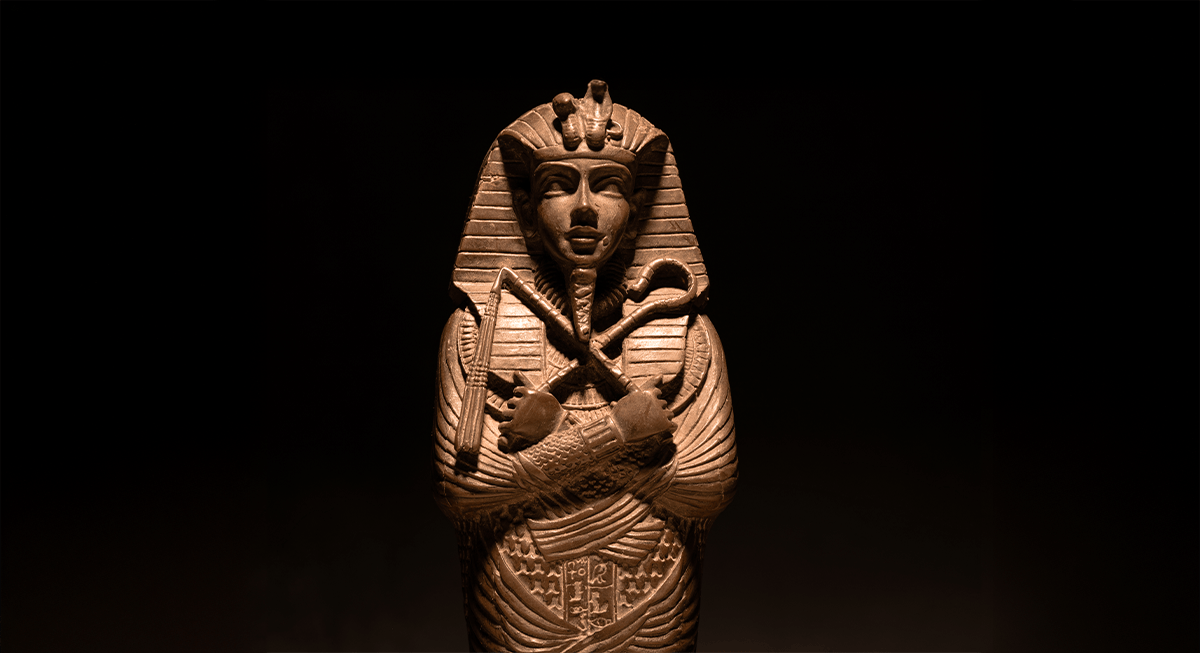
Howard Carter’s discovery of King Tutankhamun’s tomb in the 1920s set off a wave of “Tutmania.” So when his primary benefactor, Lord Carnarvon, dropped dead of blood poisoning and pneumonia shortly after its opening, rumors quickly spread about the “mummy’s curse.” It wasn’t the first time either. In 1888, a man named Walter Ingram died at the age of 33 after purchasing an Egyptian mummy. Nor was it the last time. Half a century after Tut’s tomb was opened, a dozen conservators entered the centuries-old tomb of Poland’s King Casimir IV Jagiellon—in the months that followed 10 of them died.
The culprit in that case, and likely the others, wasn’t a curse at all but the fungus Aspergillus. Spores from Aspergillus can lay dormant for centuries—even millennia—and when they’re inhaled they can infect the lungs and produce toxins. According to a new study published in the International Journal of Cultural Property, unwary buyers purchasing mummified remains are at risk of contracting this cursed pathogen—and many others.
Read more: “The Curse of the Unlucky Mummy”
Researchers led by a team of bioarchaeologists from the University of Staffordshire in the United Kingdom analyzed 128 posts on Facebook, Instagram, and online auction sites selling mummified remains. Most of the listings were for human body parts (hands, feet, and heads were especially popular), but they also found mummified animals for sale.
“The rise of the internet, especially social media, has amplified international trafficking and driven demand for unique cultural heritage, including mummified humans and animals,” Kirsty Squires of the University of Staffordshire explained in a statement.
It’s pretty macabre, but what alarmed the researchers most was the lack of biosecurity. Sellers weren’t providing information about safe handling of the specimens (some even posted photos of themselves holding the specimens in ungloved hands). Several of these mummified remains showed clear signs of biodeterioration, likely due to fungal activity. According to the team, fungus isn’t the only biohazard buyers and sellers need to worry about—chemicals used in ancient embalming practices can also cause skin and lung irritation. If the sellers’ lax attitudes toward handling and labeling extend to storing and packaging, the researchers warn it could exacerbate fungal activity.
“Until more effective measures are implemented, the public should remain vigilant and report sales of mummified remains to relevant authorities and professional bodies,” Squires said. “Improved oversight and education are therefore essential to safeguard public health and preserve archaeological remains.”
So while there might not be a mummy’s curse, the internet remains as cursed as ever. 
Enjoying Nautilus? Subscribe to our free newsletter.
Lead image: Banu Sevim / Adobe Stock