As permafrost thaws, it peels back the curtain on ancient life. In the Yukon’s warming tundra, for example, paleontologists have found camel bones, hyena teeth, mummified wolf pups, and more. The latest Yukon find—frozen ground squirrel droppings—may not seem as glamorous as the other specimens, but it’s offering up a treasure trove of data about the prehistoric ecosystem, according to a new study published in Nature Communications.
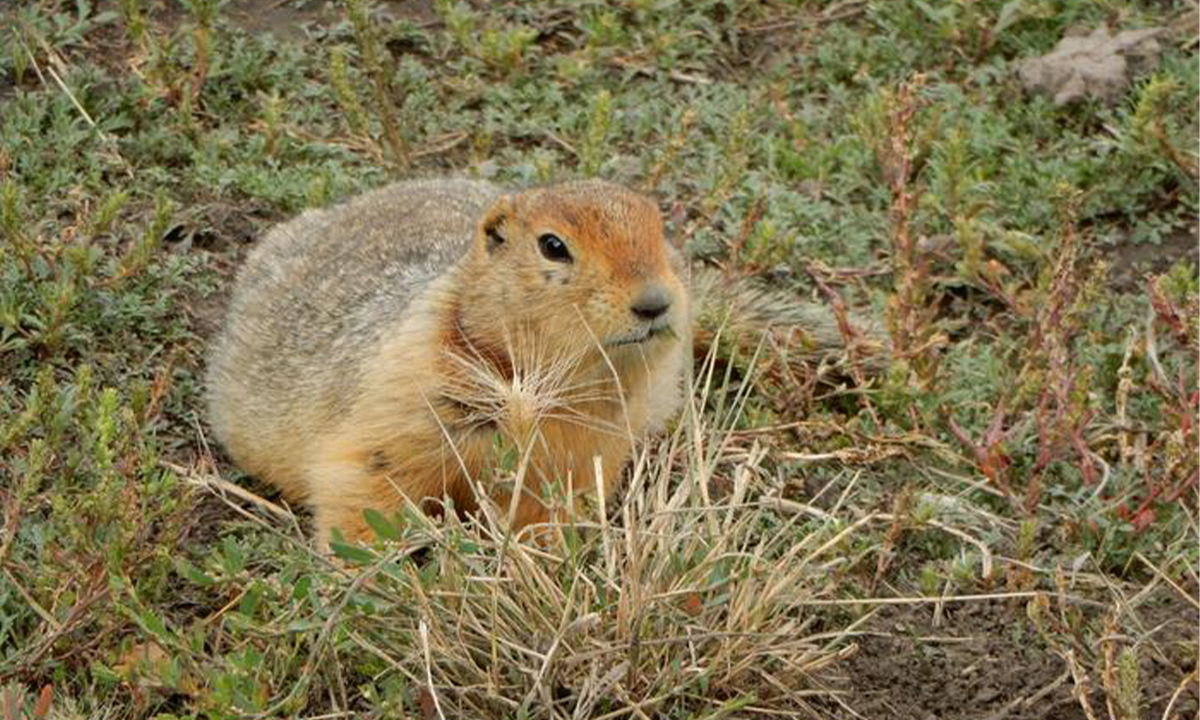
Arctic ground squirrels are opportunistic feeders, chowing down on whatever they can get their jaws around in order to prepare for a long winter hibernating underground. They feed on the usual squirrel fare—plants, fungi, and insects—but are also known to nibble from the occasional carrion, as well. This diverse buffet means their droppings are a bonanza of ancient DNA.
“The research shows us that ground squirrel coprolites, or droppings, preserve remarkably diverse genetic snapshots of ancient Beringia, making them exceptional repositories for understanding evolutionary and ecological change through the deep past,” study author Hendrik Poinar of McMaster University in Canada said in a statement.
Read more: “Beaches Are Blankets of Fish Poop”
Poinar and the rest of the team analyzed droppings dating between roughly 30,000 to 700,000 years ago, and found ancient DNA belonging to more than 200 types of plants, as well as mammoths, horses, bison, caribou, and wolves. But the biggest surprise came from the squirrels themselves. According to the researchers’ analysis, the ground squirrels of yore are genetically distinct from the ground squirrels living in the Yukon today. In fact, their closest relatives now live in Siberia.
And a more extensive investigation into the library of ancient DNA they uncovered may yield even more surprises. According to the researchers, these caches of prehistoric DNA will help them reconstruct the prehistoric environments, giving them a better understanding of how the region changed over the years.
That’s a lot of valuable information contained in a few tiny nuggets. A real Yukon gold mine (as long as you don’t mind getting your hands dirty). 
Enjoying Nautilus? Subscribe to our free newsletter.
Lead image: Government of Yukon