From the keen hearing of owls to the echolocating sonar of dolphins, a suite of animal senses have evolved to support their particular lifestyles. But sensory systems are energetically expensive, so an animal isn’t likely to have more than it needs. Case in point: the eyeless cave fish that spends its entire life in dark Mexican caves.
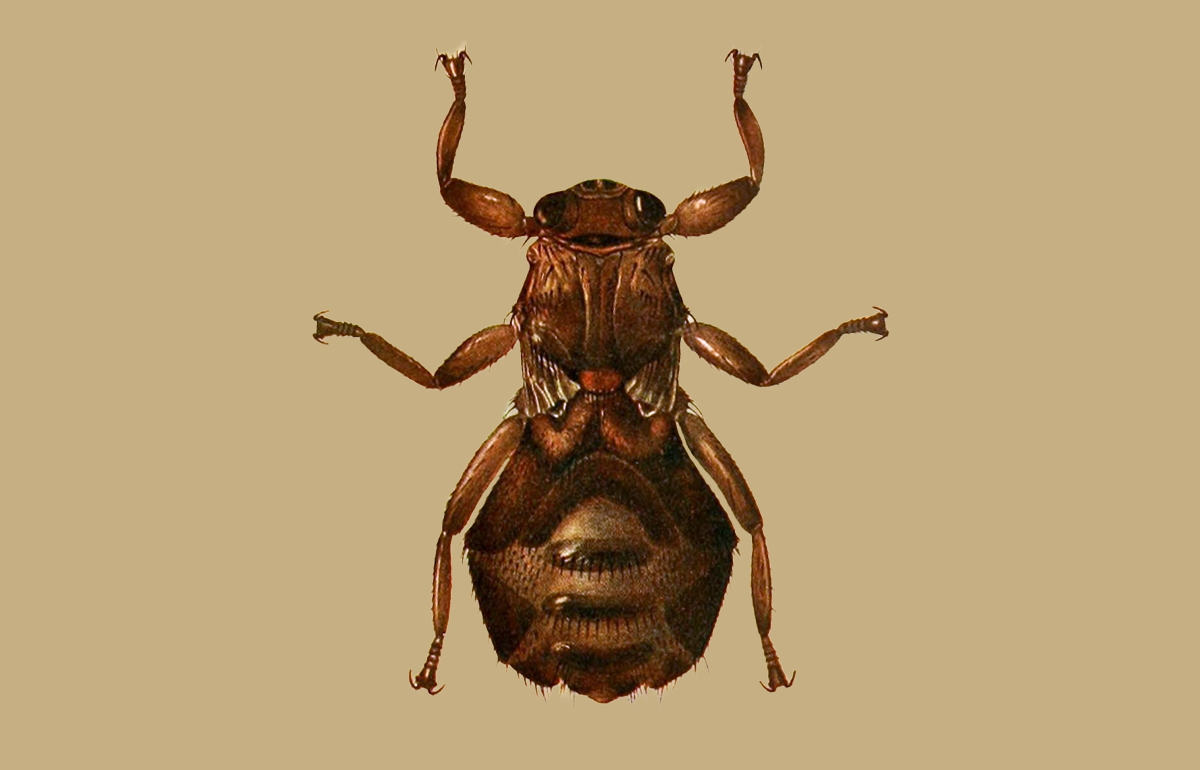
Parasitic flies that attack deer, on the other hand, rely on sight to find a suitable host. If you’ve ever suffered a painful bite from one of these “deer keds,” you know all-too-well that they feed on the blood of deer and other mammals. In fact, once they’ve found their host, deer keds shed their wings and spend the rest of their lives on it—so much so that a study published today in the Journal of Experimental Biology found that they undergo a radical shift in sensory priorities after they’ve found their new home.
“Some blood-feeding flies rely heavily on vision, while others live permanently on hosts and have little need for it,” explained study author Roger Santer, biologist at Aberystwyth University in Wales, in a press release. “Deer keds are especially interesting because they switch between these two lifestyles.”
Read more: “The Philosopher King of the Hoverflies”
Santer and co-authors from the United Kingdom and Italy sampled deer keds (Lipoptena andaluciensis) from woodland edges in Tuscany. Winged keds in the host-finding stage were captured from vegetation, researchers’ clothing, or other perches, while keds already enjoying a good bloody meal were collected from recent hunting kills. Once preserved, the keds’ heads were removed and sampled for RNA to see which genes were expressed in their brains before and after landing on their hosts.
The activity of five genes related to vision, or opsin genes, dropped to about half in keds that had settled on a host, suggesting reduced use of vision. No single aspect of vision was eliminated, but decreased opsin expression, according to the study authors, makes for reduced sensitivity to light. It makes sense: Once a ked has found its host, there’s likely less need to see and more physiological incentive to devote resources to other functions. “We think the fly might be sacrificing sight to conserve energy for functions such as digestion and reproduction,” explained Santer.
An appetite for blood so strong that it’s blinding. 
Enjoying Nautilus? Subscribe to our free newsletter.
Lead image: Wikimedia Commons