What creature is smaller than a grain of rice but always has a smile?
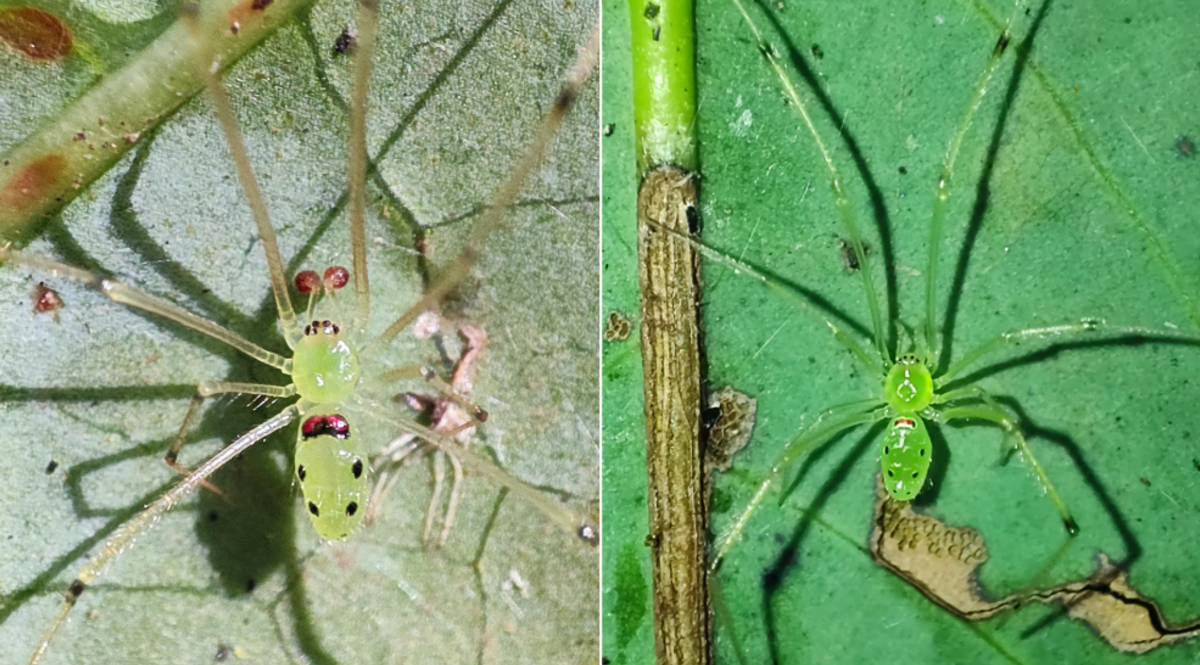
The happy-face spider, Theridion grallator, boasts a red, curved mark on the back of its abdomen. Known only from Hawaii, this happy-face spider fascinates evolutionary biologists not only for its unique smile marking, but also for its range of abdomen colors—from the default yellow to red, black, and white.
A recent paper in the journal Evolutionary Systematics, however, startled the arachnid community with the discovery of another happy-face spider species—in India. Researchers from the Forest Research Institute and the Regional Museum of Natural History sampled 16 50-meter by 100-meter plots in the moist, temperate forests of Uttarakhand. In sorting specimens under a stereomicroscope, they came across 61 spiders, each less than one-tenth of an inch in length, or no longer than the aforementioned grain of rice.
Read more: “New Tarantula Discovered in Unexpected Place”
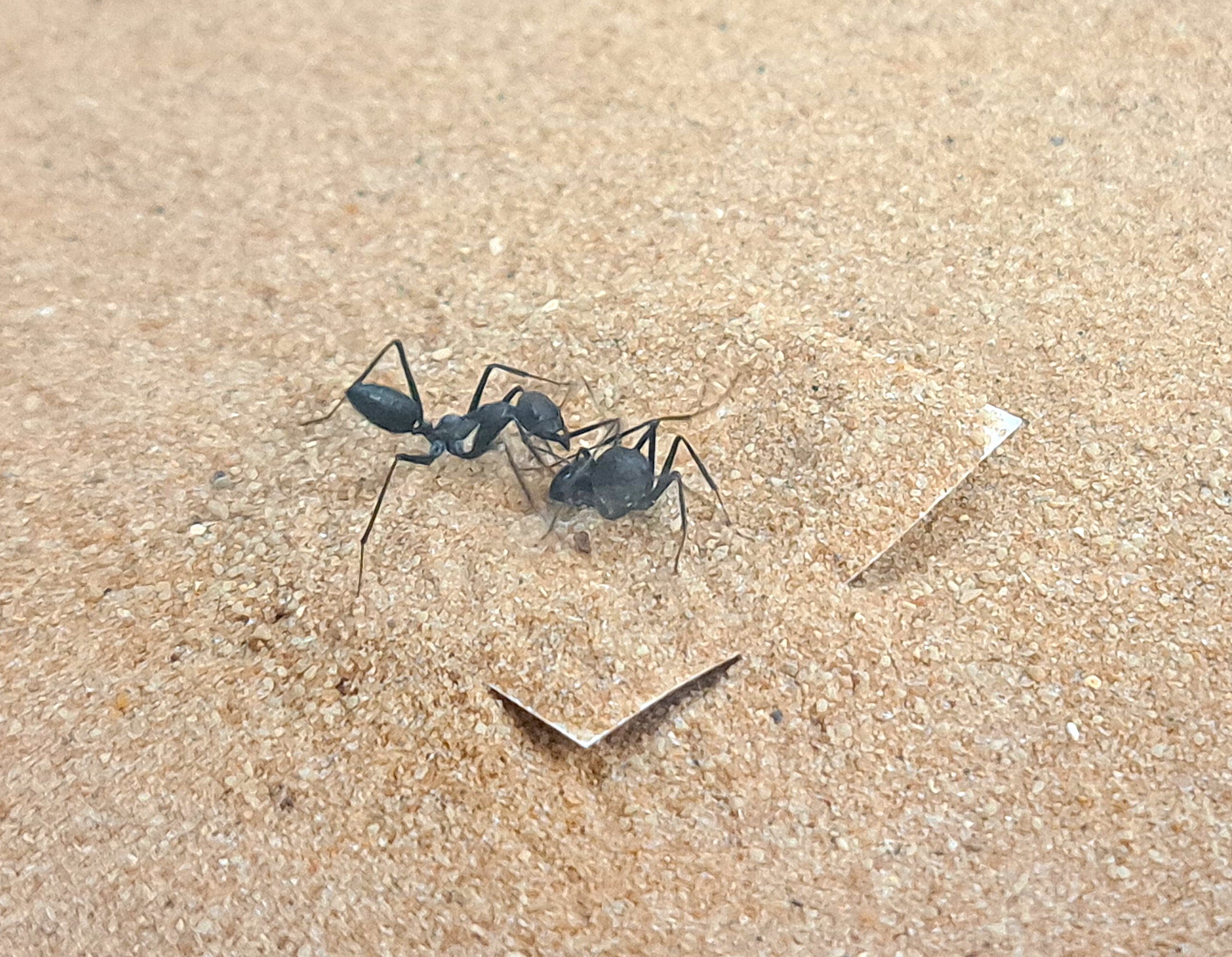
“The discovery was accidental because our survey was [originally] on ants,” mused study author Devi Priyadarshini in a press release.
The arachnid’s slender, translucent, yellow legs were typical of Theridion, which are dubbed “tangle-web spiders” for the messy webs they stick on the undersides of leaves. But this Theridion had something that only one of the other 572 species has: a smile. Thousands of miles away, on a completely different continent, the new Indian species Theridion himalayana was a doppelganger for the Hawaii happy-face species. Five black spots ringed with white arranged in a V-shape cradled the smile marking on its abdomen.
DNA analysis revealed that, despite the resemblance, the Himalayan happy-face spider had a genetic distance of about 8.5 percent from the Hawaiian one, showing it to be from a lineage that evolved in Asia. Why these two spiders converged on the same smiley pattern is a mystery. Furthermore, they both turn out to favor ginger plants, which is odd since ginger is native to India but introduced to Hawaii.
Like the Hawaiian spider, T. himalayana also proved to have various color morphs, with 32 sorted out from the specimens recorded. This additional coincidence boosts the “deeper genetic mystery” of their function. “These patterns definitely help them survive better in the wild … but why do they resort to such patterns on their back, and what functional role in their life cycle does it exactly serve is yet to be deciphered,” explained Priyadarshini.
Regardless, they can’t help but smile. 
Enjoying Nautilus? Subscribe to our free newsletter.
Lead image: Devi Priyadarshini and Ashirwad Tripathy