Bones, shells, and teeth have a tough enough time surviving hundreds of millions of years. But soft tissue, like the skin and organs of an animal? It disappears almost immediately (relatively speaking at least). For soft tissue to be preserved, a very specific and rare combination of conditions are required—conditions like a refrigerator that never runs out of power, or a vacuum chamber.
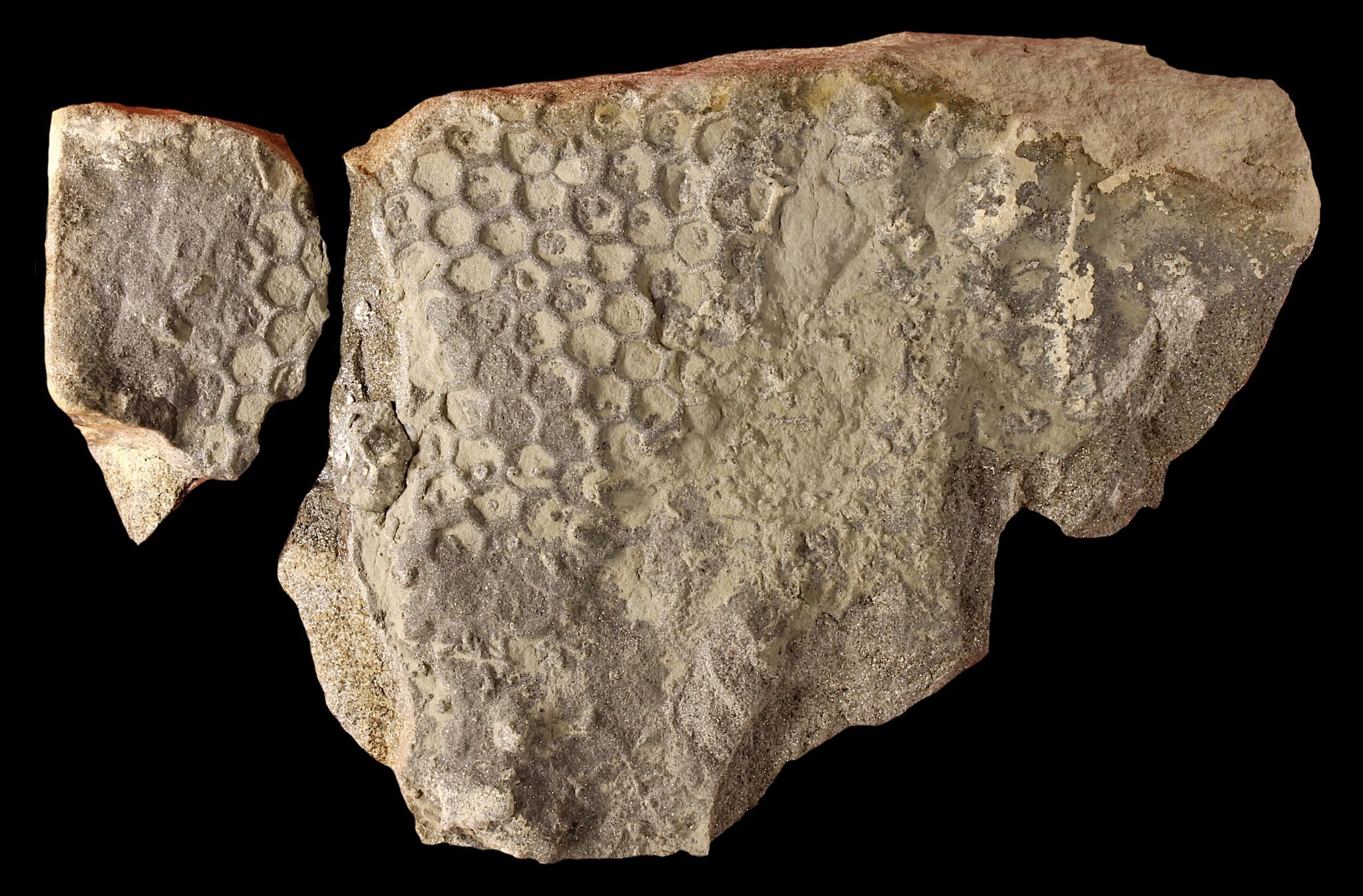
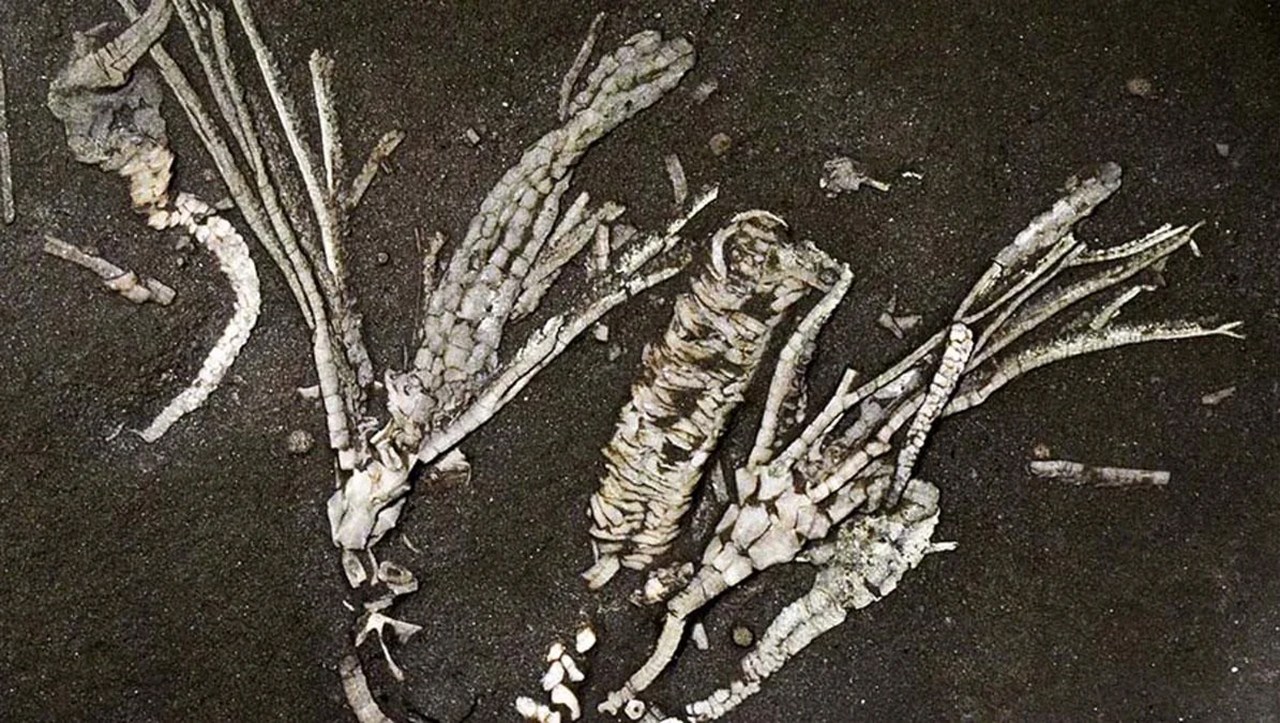
That’s what makes a new study published in Royal Society Open Science about the discovery of a 450-million-year-old fossil with soft tissue preserved on it so remarkable. The fossil is of a crinoid, Dendrocrinus simcoensis, a relative of the starfish and an organism that’s been living underwater for eons.
Read more: “Do Fossils Belong in Mansions or Museums?”
“Preservation like this is truly one in a million,” paleontologist Lena Cole, from the University of Oklahoma, said in a statement. “Crinoid fossils number in the millions, and this is only the second time soft tissues have ever been found.”
Keep in mind we’re talking about a fossil from back before many animals had made their way on to dry land, and more than 200 million years before the first dinosaurs appeared.
In this case, some of the crinoid’s tube feet—the tiny, fleshy stalks that the marine animal uses to grab food—have been preserved, offering experts useful clues about how the ancient creature’s feeding strategies and habits have evolved across millennia. They seem to have been quickly crystalized into pyrite by bacteria before they could start decaying and are significantly different from those of modern-day crinoids.
Interestingly, the fossil wasn’t found underwater, but rather in the collection of the Musée de paléontologie et de l’évolution, a small nonprofit in Montreal. They had clearly made sure that it was well-preserved. 
Enjoying Nautilus? Subscribe to our free newsletter.
Lead image: University of Oklahoma