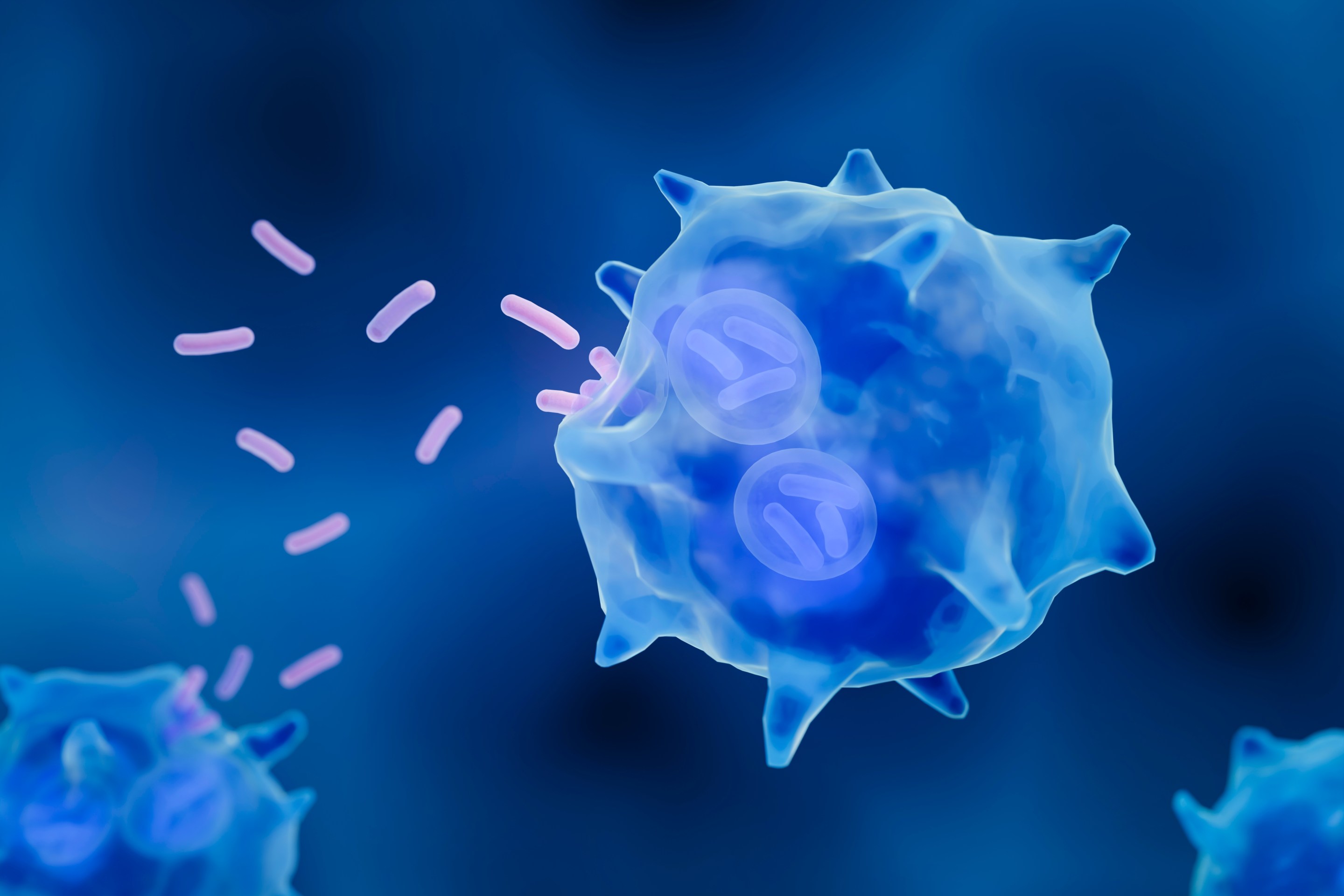
Viagra was something of an accident. Developed by Pfizer, sildenafil was a promising drug to relieve chest pain and high blood pressure, but male test subjects noticed certain, uh, side effects. So the drug company went with it, giving it the brand name Viagra and the rest is history. Now sildenafil might have another use preventing the metastasis of cancer cells, according to a new study published in Cancer Research.
Sildenafil works by blocking the activity of phosphodiesterase type 5 (PDE5), an enzyme that breaks down cyclic GMP (cGMP), a second messenger involved in a lot of cell functions that also relaxes blood vessel walls. With PDE5 inactive, cGMP accumulates, your blood vessels dilate, and you’re off to the races (so to speak).
Researchers led by a team from the Weizmann Institute of Science in Israel treated mouse and human cancer cells (cultured from a variety of cancers) with sildenafil and monitored what happened. They discovered cGMP has a side hustle, just like sildenafil. It binds to a protein that transports cholesterol in cells, which can be used to build cell membranes. These membranes come in handy for cancer cells when they’re striking out to seek their fortune in other parts of the body, and they’re particularly vulnerable to supply disruption from elevated cGMP activity, the researchers found.
Read more: “Can Cancer Be Treated by Changing Its Cells?”
The team also looked at 20 years of health records from more than 40,000 male cancer patients ages 35 to 65. Those who had filled prescriptions for sildenafil before getting a cancer diagnosis had a 26 percent higher survival rate five years out. Combining sildenafil with statins, which also reduce cholesterol production, increased the five-year survival rate to 32 percent.
“We have uncovered a new biological pathway that links a well-known signaling molecule to cholesterol regulation within cells, and shown how this pathway can be harnessed to interfere with the ability of cancer cells to form metastases,” study author Ayelet Erez said in a statement. “Beyond their therapeutic promise, our findings highlight that cancer biology is shaped not only by mutations in tumor cells but also by the patient’s metabolic state and by medications they’re already taking for other conditions.”
It’s yet another reason to take the little blue pill. 
Enjoying Nautilus? Subscribe to our free newsletter.
Lead image: KeronnArt / Adobe Stock