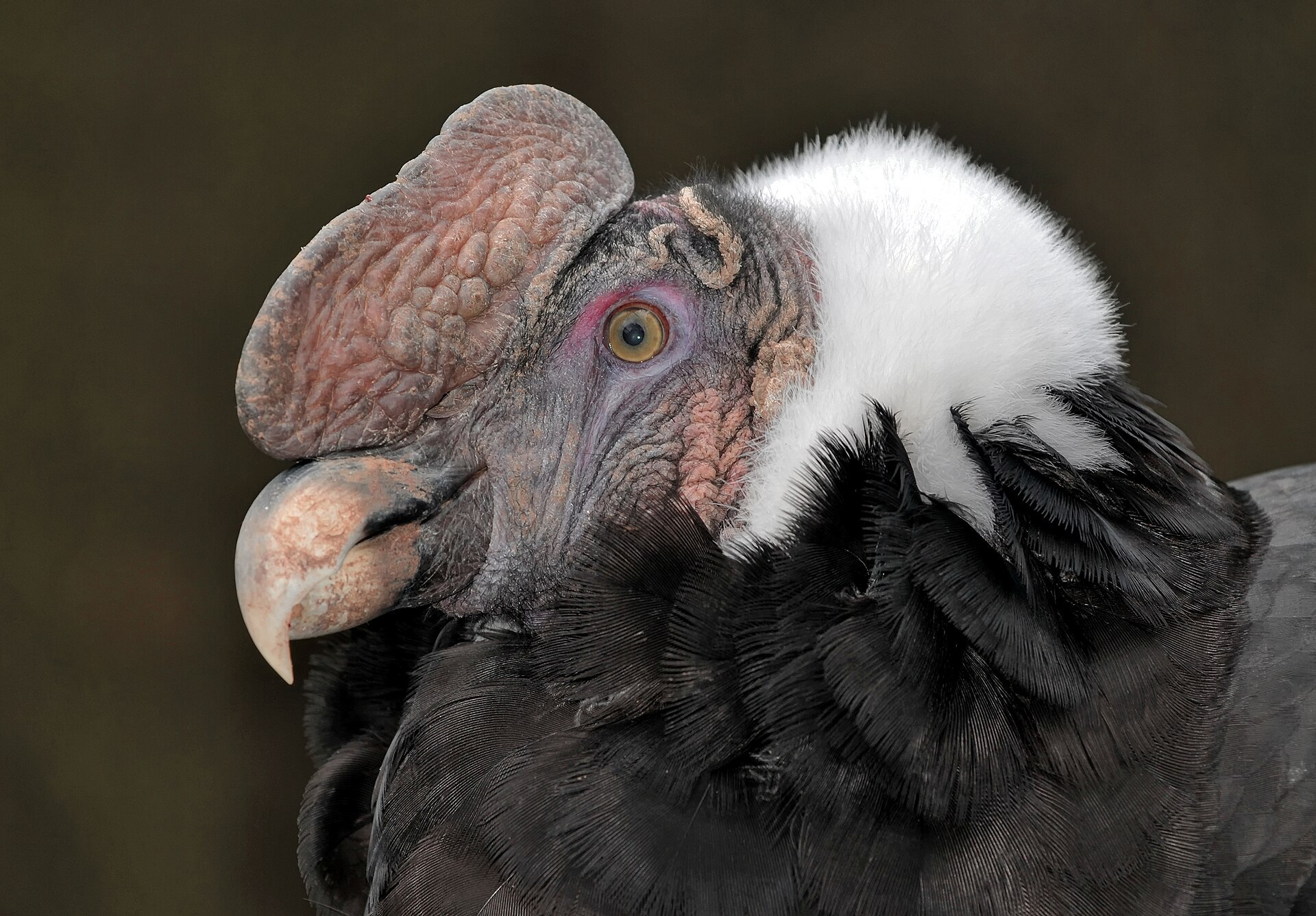
Vultures might not be the most charismatic birds, but they do perform an important job. As carrion-feeding scavengers, they dispose of decaying animal matter, even bones, right down their throats. As part of this garbage collection duty, they also neutralize pathogens, routinely gobbling up tissue that’s festering with rabies, anthrax, and botulism and disposing of it in their highly acidic stomachs.
Of course, vultures aren’t entirely invulnerable to infection. With 16 of 23 vulture species already designated as threatened, the H5N1 avian flu could wreak havoc on their dwindling numbers. Now a team of biologists is sounding the alarm about what declining vulture populations could mean for ecosystems (and us) and issuing a call to action in a letter published in Conservation Biology.
Read more: “We’ll Miss the Vulture”
As carrion feeders, vultures are on the frontlines of the H5N1 panzootic (animal pandemic). They’re not just at risk of contracting the virus from their meals, but from the other vultures who gather around carcasses. Sharp upticks in infections could cause precarious populations to collapse.
“The greater the number of infected carcasses, the greater the risk of contagion for the vultures,” letter author Jon Morant of the University of the Basque Country explained in a statement. “Since these carcasses can become sources of infection, a paradox arises: As more vultures die, the capacity to eliminate the carrion reduces, the pathogens spread and contagion increases.”
But there’s hope for stalling this positive feedback loop, and the authors outlined a series of steps conservationists and wildlife managers can take to fight back. First, vulture populations should be closely monitored for signs of infection, with special attention paid to migratory species that cross international borders, like the Egyptian vulture. Populations that are most threatened should be vaccinated, the team says, noting that there’s already a vaccination program in place for the California condor.
Next, vulture feeding stations should be well-stocked with uninfected meat and those that work with vulture populations should suit up. “They must comply strictly with biosecurity protocols (use gloves, masks and protective equipment), especially when working with small populations or with threatened species,” Morant said. The team also recommends that these steps and any additional actions are implemented in a context-sensitive manner that takes into account the socioeconomic conditions of the countries where vultures live.
H5N1 isn’t just a threat to birds, it can currently infect cattle, pigs, and domestic pets, and every new host the virus adds to the list becomes one more opportunity to jump into humans. By protecting our frontline carcass-eating defenders, we can also help protect ourselves. 
Enjoying Nautilus? Subscribe to our free newsletter.
Lead Image: Michael Gäbler / Wikimedia Commons