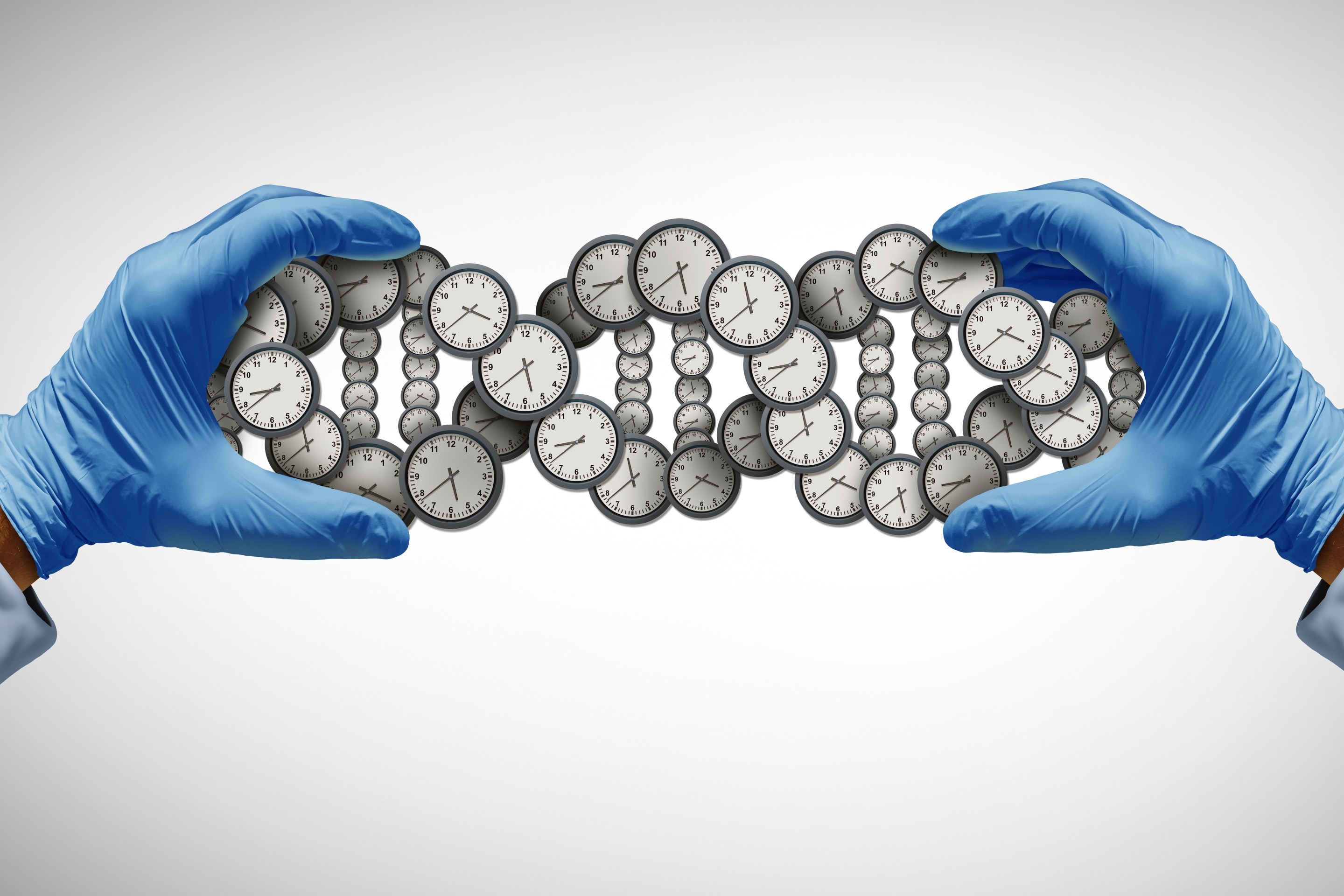
Our mastery of fire is one of the biggest things that sets humans apart from animals. We’ve used it to cook our food, temper our tools, warm our bodies, and ward off predators. It’s not overstating things to say it’s fueled our evolution, but has our exposure to it changed our genes?
It’s an intriguing proposition. After all, fire is an indispensable tool but also a dangerous one. Before we developed antibiotics, even a small burn could become a mortal wound. So it stands to reason that after such a long period of our history living by the fireside, natural selection would have granted us some resiliency.
To investigate, Joshua Cuddihy of the Imperial College London worked alongside a team of burn-injury experts, evolutionary biologists, and geneticists to identify burn-response genes for signs of positive selection. This week they published their findings in BioEssays.
Read more: “Wildfires Are Changing Animal Evolution”
To identify possible burn-injury response genes, researchers examined the transcriptomes (the genes expressed) in both burnt and unburnt skin from humans and rats. Examining the gene sequences, they discovered a subset of burn response genes that showed evidence of accelerated evolution.
So what do these genes do?
They’re primarily involved in wound closure, inflammation, and immune system response. Unfortunately these genes also respond to general tissue damage, so the team was unable to rule out positive selection in response to other human endeavors, like tool use or fighting. Still, researchers stress that these genes aren’t exhaustive, and they illustrate how fire could have imprinted its unique brand on our genome.
In the future, the team hopes this new framework will help connect evolutionary biology with medicine, changing how we study and treat burn injuries and even help to explain why animal models of burns often produce results that translate poorly to humans. 
Enjoying Nautilus? Subscribe to our free newsletter.
Lead image: obsonphoto / Shutterstock.