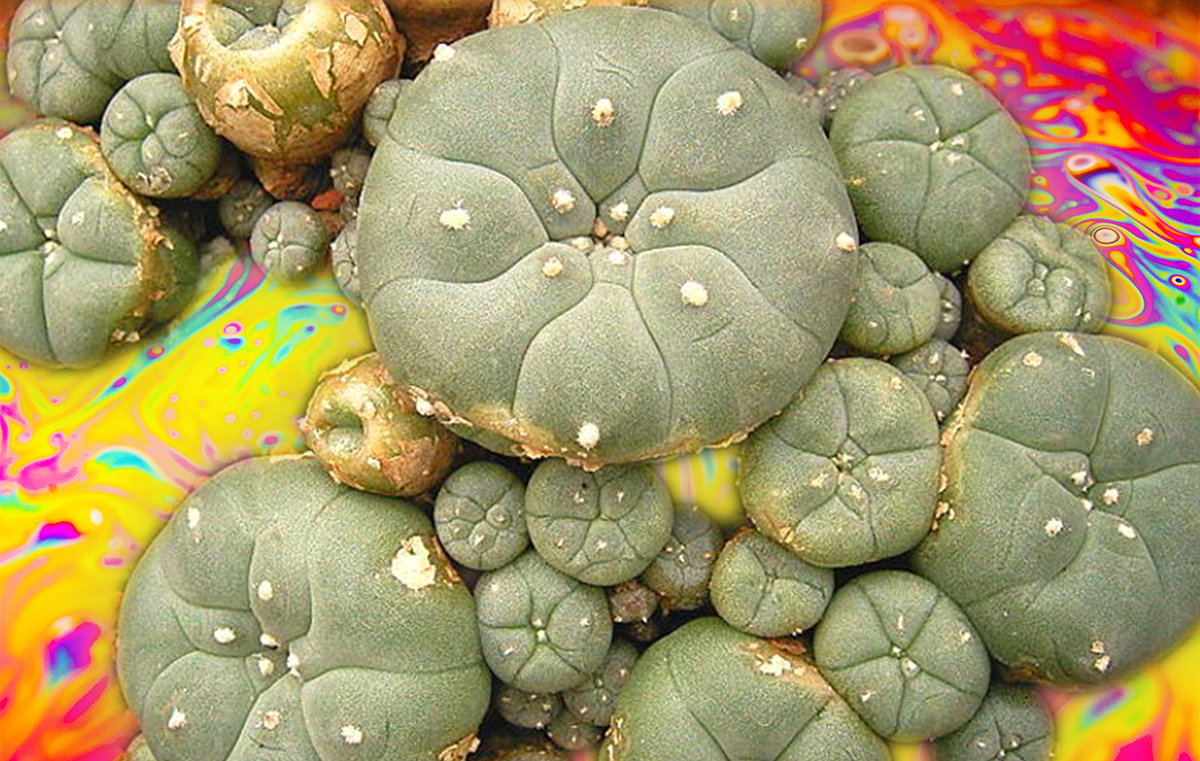
Psychedelics are getting a renewed boost of interest lately. The FDA recently announced they were fast-tracking research investigating psilocybin, the compound that gives magic mushrooms their magic, as a treatment for depression. Now, new research published in Nature Communications is showing just how powerful a single dose of this psychedelic compound can be.
Neuropsychopharmacologists from the University of California, San Francisco recruited 28 physically and mentally healthy people who had never taken psychedelics before and gave them their inaugural magic mushroom trip. But first, they administered a single placebo dose of 1 milligram of the magic mushroom compound. Most of the subjects reported the experience was “no more unusual than an everyday state of consciousness,” which was backed up by EEG readings.
After the preview, it was time for the main event. The research team fitted the participants with EEG electrodes and administered a 25-milligram dose of psilocybin. An hour into their trip, the EEGs showed a surge of entropy (or diverse neural activity), indicating they were processing more complex information.
Read more: “What Is Your Brain Doing on Psychedelics?”
The next day all of the subjects (except one) rated the experience as the “single most unusual state of consciousness” they’d experienced in their lives (the lone holdout rated it in the top five). During the following few weeks, the newly minted psychonauts reported experiencing more insight as well as an increased sense of well-being. A full month after their first trip, they performed better on assessments of their cognitive flexibility.
“Psilocybin seems to loosen up stereotyped patterns of brain activity and give people the ability to revise entrenched patterns of thought,” study author Taylor Lyons said in a statement. “The fact that these changes track with insight and improved well‑being is especially exciting.”
But it wasn’t all just good vibes, there were physical changes in their brains as well. Imaging revealed certain bundles of neurons linking the prefrontal cortex to other parts of the brain became denser after a month—the reverse of what happens as we age. While researchers said this could be evidence of increased neuroplasticity, they cautioned that more study is needed before drawing any concrete conclusions.
According to the researchers, the main takeaway is that the psychedelic trip itself was key to the positive outcomes these 28 people experienced as long as a month later. “Our data shows that such experiences of psychological insight relate to an entropic quality of brain activity and how both are involved in causing subsequent improvements in mental health,” senior author Robin Carhart-Harris explained. “It suggests that the trip—and its correlates in the brain—is a key component of how psychedelic therapy works.”
In other words, it’s not the destination, it’s the journey. 
Enjoying Nautilus? Subscribe to our free newsletter.
Lead image: Marina Zlochin / Adobe Stock