Getting started is the hardest part, as the old chestnut goes. Even when we really want to do something, we may delay taking that first step, especially if some part of it seems like drudgery. We may circle the task instead, doing everything but it: tidying our sock drawer, gazing out the window, baking a cake. Mustering motivation can feel like a herculean effort.
But why does this happen when we ultimately anticipate pleasure and reward?
To better understand how the impetus to get going on something new works in the brain, a team of scientists from Kyoto University recently turned to macaques, a genus of gregarious monkeys widespread across Asia. Macaques aren’t humans, of course, but they’re genetically close relatives with whom we shared a common ancestor tens of millions of years ago. The team of scientists published their results in the journal Current Biology.
The scientists placed two male macaques in dark soundproof booths facing a screen, where a little dot would appear. If the monkey focused on the dot long enough, he was given the option to choose between a large sip of water and an unpleasant puff of air to the face, or a tiny sip of water, no puff. In the second round, both choices gave the monkey a drink, just of different amounts. Splitting the tasks in this way allowed the researchers to separate the motivation to start from the appeal of the reward.
Read more: “What Birdsong Says About Motivation”
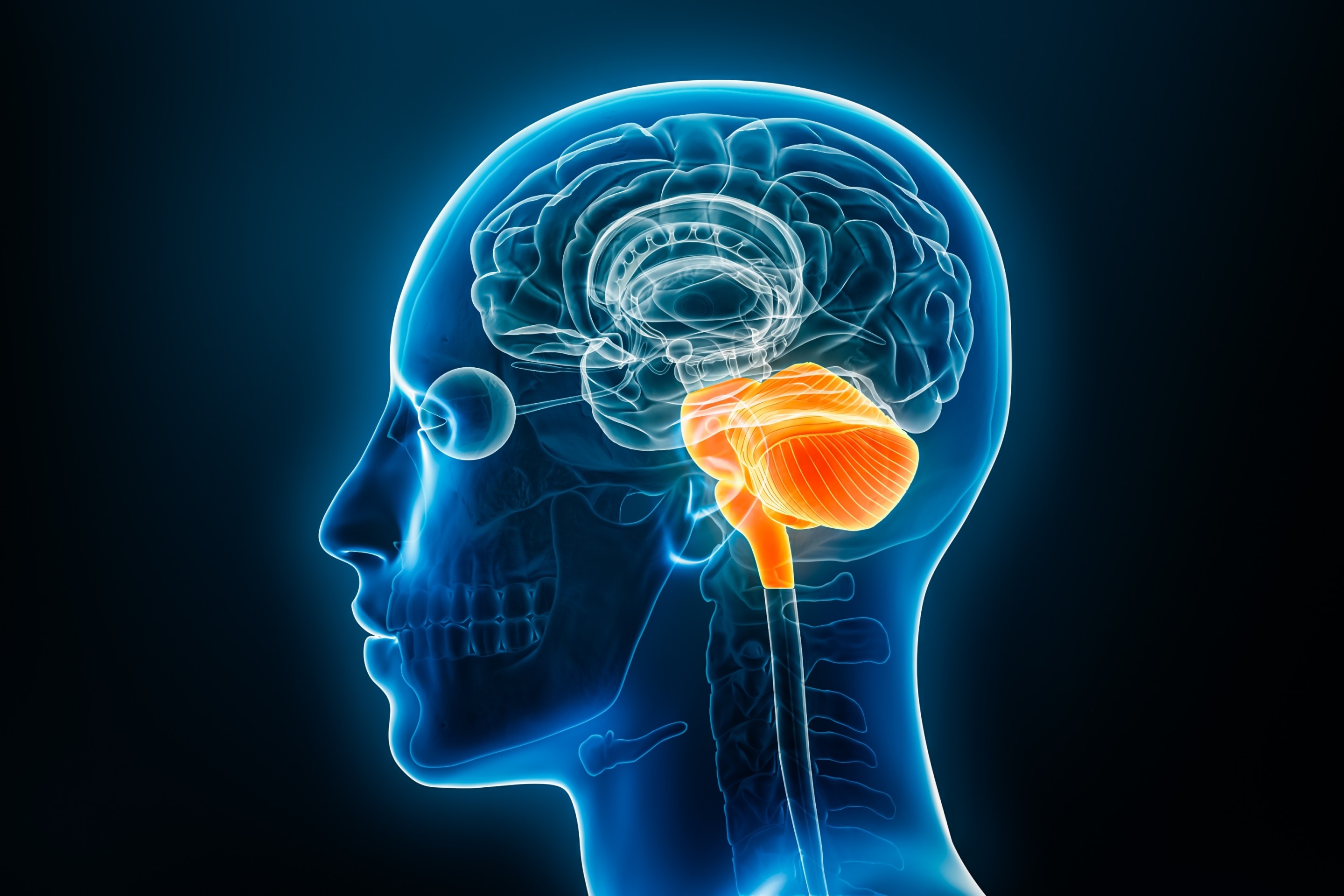
While the monkeys were completing their tasks, the scientists tracked their eye movements and pupils with an infrared tracker and monitored their brain activity with small electrodes implanted directly in the brain tissue. They zoomed in on a specific circuit involved in motivation in the basal ganglia, which helps to control muscle movement—the pathway from the ventral striatum, which is crucial for reward, decision making, and goal-directed behavior, to the ventral palladium, often involved in addiction and natural drives such as hunger and sex. Then the scientists selectively muffled this circuit using a designer drug, and repeated the experiment.
In the first part of the experiment, when the task included the possibility that the monkeys would get an annoying puff of air in the face, they were much more likely to bail out early. But when they didn’t bail, they chose bigger rewards and avoided the annoying puffs of air. After the circuit was muffled, motivation to start returned. Their reaction times were also faster, even when they got the punishing blast of air to the face.
The scientists recorded single neurons in separate sessions and found a pattern of push-pull as well. The ventral striatum neurons were more active during the task that included the puff of punishing air, and reacted quickly to that punishment, while the ventral palladium neurons were less responsive when the punishment was included and change was more sluggish.
The scientists propose that unpleasant conditions ramp up activity in the ventral striatum, which inhibits activity in the ventral palladium, making it more difficult to initiate the next attempt. If you suppress this circuit, however, the ventral palladium is less inhibited, so the motivation to get started improves. In other words, the ventral striatum acts as a kind of warning signal that can clamp down the go prompt coming from the ventral palladium.
The reason this check to initiation is in place, they suggest, is that it prevents us from engaging in excessively risky behavior. The study had a few limitations: the sample, for instance, included just two macaques. Also, the designer drug manipulations and the neuron recordings didn’t happen at the same time, so while the mechanism they propose is suggested, it’s not proven.
The authors say the findings could inform our understanding of clinical psychiatric conditions such as depression and schizophrenia, which often come with flattened motivation. People with such conditions may still recognize rewards and value them but have trouble getting started on tasks, especially if these tasks come with stress, discomfort, or other perceived costs. The circuit the scientists identified could become a target for interventions aimed at getting these patients out of a rut and into action.
Motivation, the findings suggest, isn’t always about wanting something badly enough. Wanting and doing aren’t the same thing when significant stress is part of the equation. When the calculation goes awry, even pleasure can fail to move us. 
Enjoying Nautilus? Subscribe to our free newsletter.
Lead image: CandyRetriever / Shutterstock