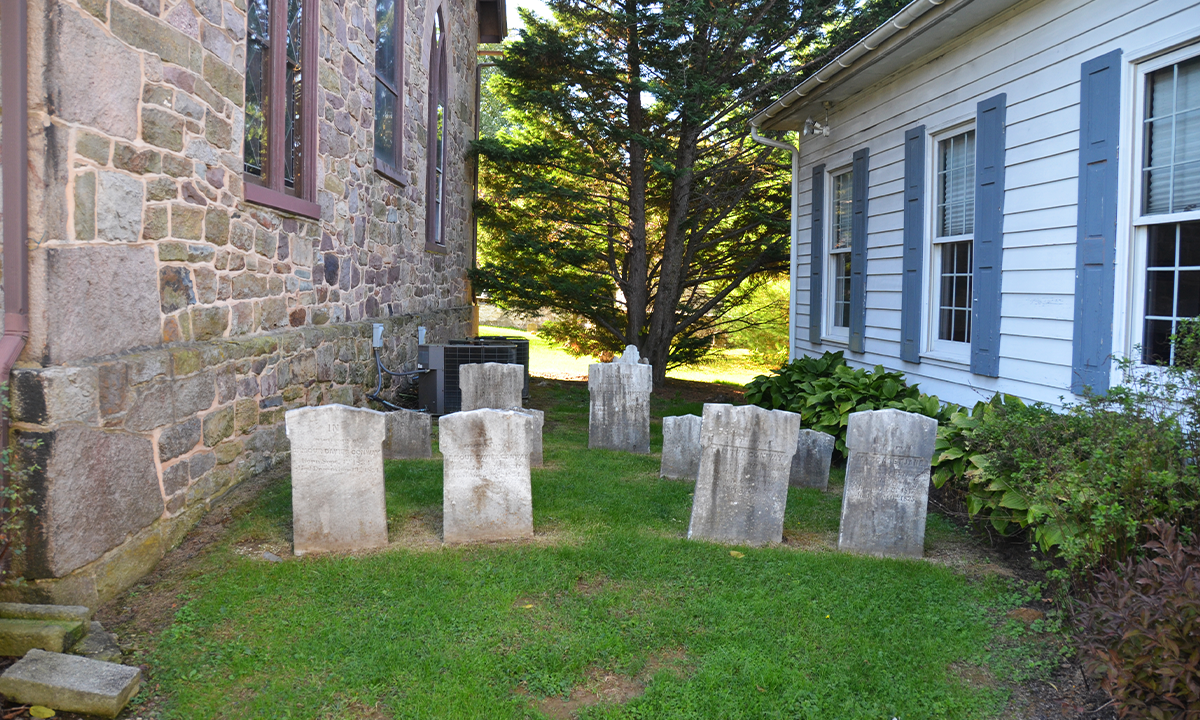
Much like home births, home burials were once a lot more common in several cultures throughout history and across the globe. Still, researchers aren’t entirely sure why these home burials began or why they tapered off. One theory for the decline is that people became less likely to bury loved ones near their dwellings as they became more likely to pull up stakes and move. Now a new study published in American Antiquity suggests that’s not the case at all.
To investigate home burials throughout antiquity, archaeologists from Chicago’s Field Museum compiled a dataset from ethnographical records, or cultural observations written by anthropologists. Unfortunately, information about home funerary practices from these records, which only reach back a couple centuries, was a little wanting—only 21 percent* contained accounts of home burials.
Read more: “The Ancient Rites That Gave Birth to Religion”
For a more comprehensive view, they turned to archaeological records. Looking at data from 49 sites across the world allowed them to look further back in time, and they found a lot more evidence of home burials. “It was incredible to see, about 43 percent* of the communities we looked at had at least some family members buried within or around their homes,” study author Sabina Cveček explained in a statement.
Why exactly did so many cultures stop burying their loved ones at home?
The team found no evidence that home burials were influenced by the transience or permanence of the people who practiced them. Instead, per the ethnographies, there were two related forces at play: religion and colonization.
“In the ethnographies I read, in many cases, anthropologists would say that the society being described used to practice residential burials, but that they stopped when major organized religions and colonization arrived in those places,” Cveček said. “For instance, they’d say that a society used to bury their dead at home, but now they use Christian cemeteries outside the settlement, or that a society used to bury their dead at home, but with the spread of Hinduism, they adopted cremation.”
And so, it’s yet another fact of (after)life dictated by the hands of “god.” 
Enjoying Nautilus? Subscribe to our free newsletter.
Lead image: Tneuville / Wikimedia Commons
* As originally published, these numbers were incorrect. They have been corrected in the story above.