Getting older comes with the inevitable deterioration of our minds and bodies, right?
Not according to newly published research in Geriatrics that’s challenging traditional assumptions about the aging process. Instead, we’re capable of showing some improvements throughout our twilight years—all it takes is the right mindset.
Researchers led by Becca R. Levy of Yale University followed more than 11,000 participants in the longitudinal Health and Retirement Study, which monitors the health of older Americans. The team tracked cognitive function, using a global performance assessment, and physical function, using walking speed as a metric. They found that over a 12-year follow-up period 45 percent of people improved in at least one of these areas—32 percent improved cognitively and 28 percent improved physically.
“What’s striking is that these gains disappear when you only look at averages,” Levy said in a statement. “If you average everyone together, you see decline. But when you look at individual trajectories, you uncover a very different story. A meaningful percentage of the older participants that we studied got better.”
Read more: “Lifetime of Friendships Slows Aging”
So what separated these lucky few from the rest?
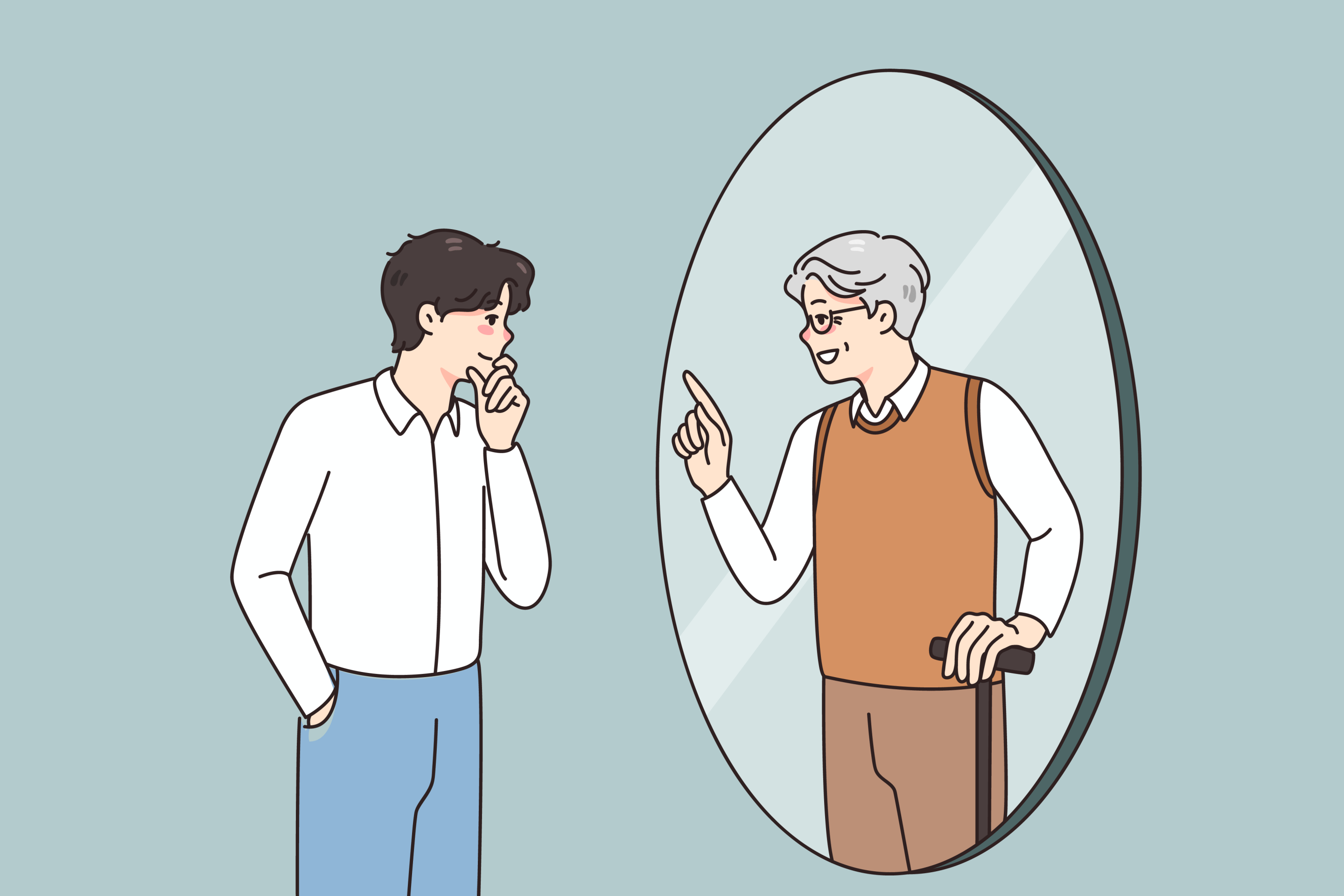
According to the researchers, part of the difference was all in their heads. Participants who possessed more positive age beliefs were significantly more likely to see their cognition and physical condition improve.
It’s a finding that builds upon Levy’s earlier research, which found that having a negative attitude toward aging predicted poorer memory, slower walking speed, higher cardiovascular risk, and biomarkers associated with Alzheimer’s disease.
“Our findings suggest there is often a reserve capacity for improvement in later life,” she said. “And because age beliefs are modifiable, this opens the door to interventions at both the individual and societal level.”
Per Levy, negative stereotypes about aging, pervasive throughout the media and advertising, seep into our consciousness and can even lead to biological consequences. Additionally, there’s a raft of research on the power of positive thinking linked to better health outcomes for cancer, heart disease, stroke, injury recovery, and more. It stands to reason that a sunnier outlook could help soften the adverse effects of aging, as well.
It certainly can’t hurt to try. At worst, you walk into the sunset with a smile on your face and a pep in your step.
Enjoying Nautilus? Subscribe to our free newsletter.
Lead image: Jackbin / Shutterstock