Attention deficit hyperactivity disorder (ADHD) affects almost 7 percent of adults worldwide, but despite being a common neurological disorder, there’s still a lot we don’t know about it. For example, what’s going on in the brains of people with ADHD when they experience attention lapses? New research published in JNeurosci suggests sleep-like brain activity could be the culprit.
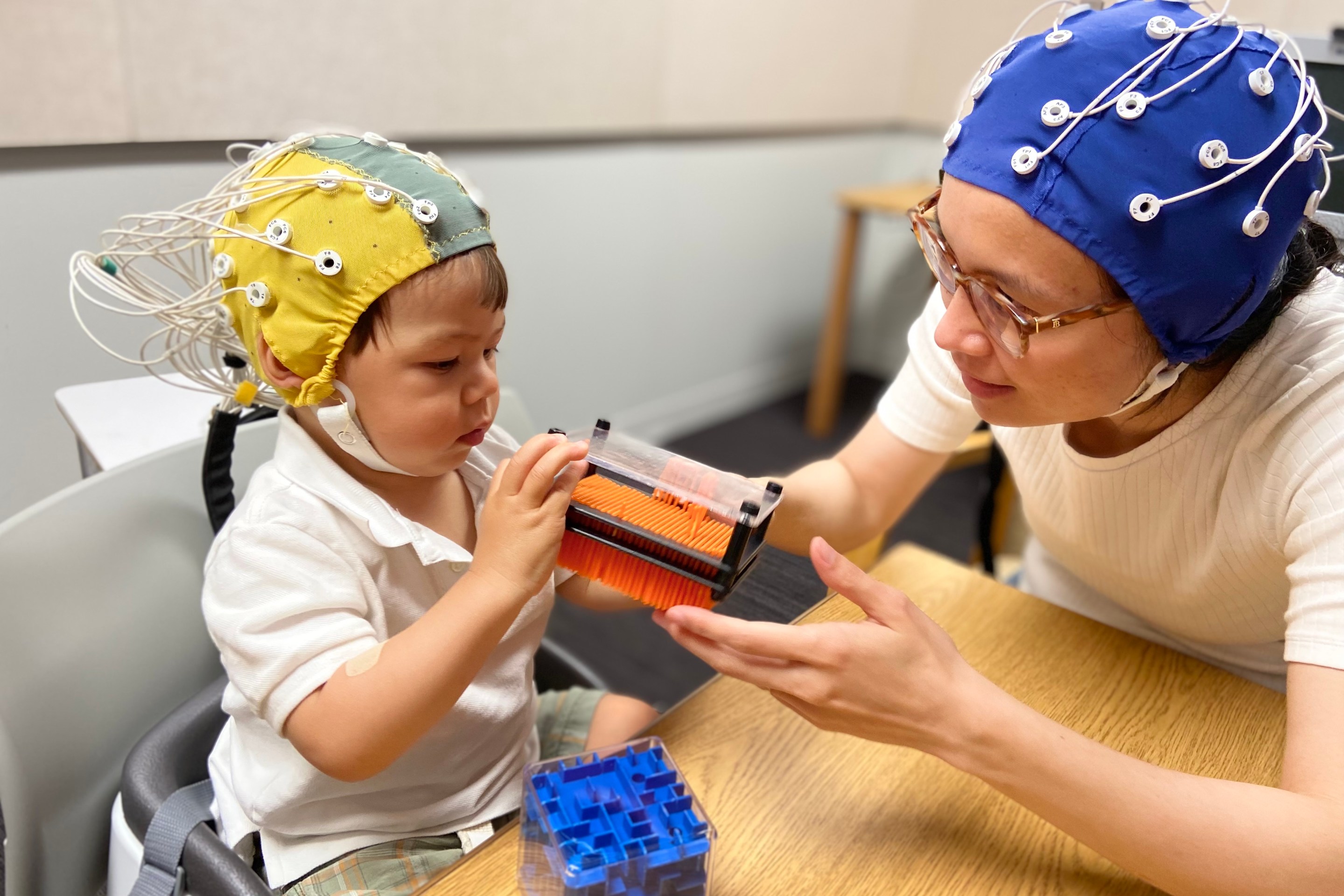
To get a look at what’s going on inside the brains of people with ADHD, a research team led by neuroscientist Elaine Pinggal of Monash University in Australia strapped 32 medication-withdrawn adults with ADHD into an EEG machine. While their brains were being scanned, participants were asked to complete a series of tasks requiring their sustained attention.
So how did it turn out?
Compared to the neurotypical control group, the group with ADHD experienced more periods of slow-wave brain activity, akin to the delta waves that characterize deep sleep. These sleep-like patterns were associated with lapses in attention, higher error rates, slower reaction times, and increased reports of drowsiness.
Read more: “Even Machine Brains Need Sleep”
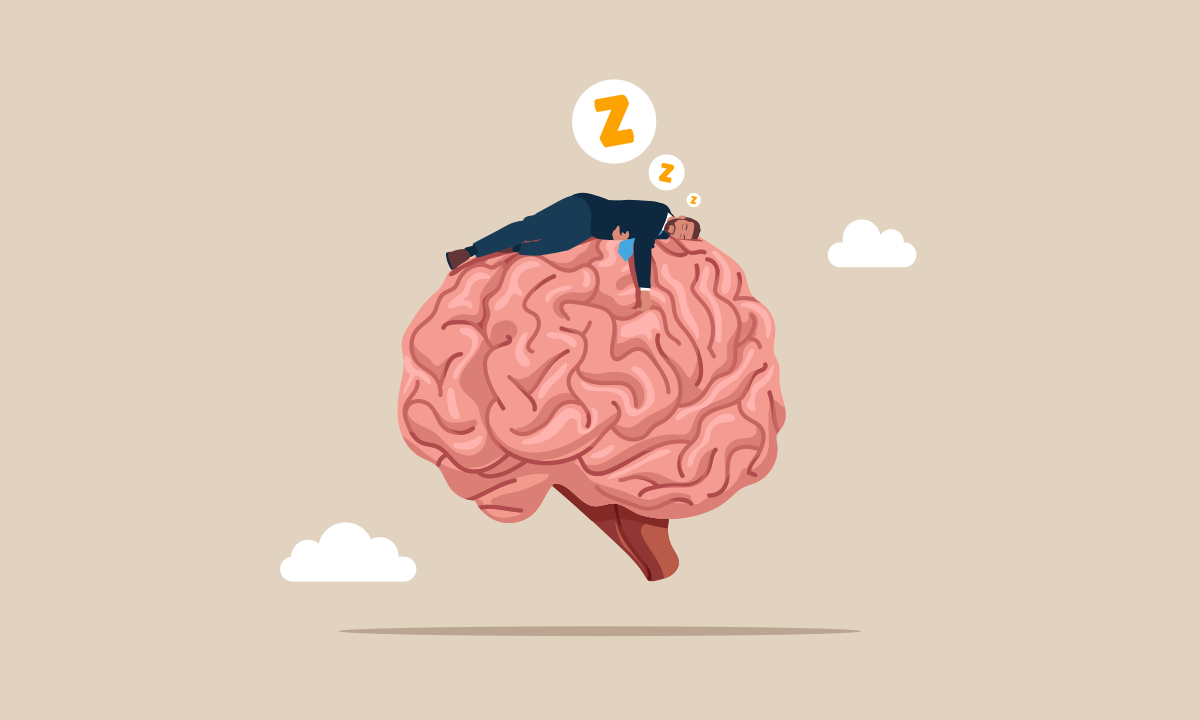
To be clear, those with ADHD weren’t dozing off mid-task. Instead, their brain waves seemed to briefly mimic a sleep-like state while they were awake, a phenomenon known as “local sleep.”
“Sleep-like brain activity is a normal phenomenon that happens during demanding tasks,” Pinggal said in a statement. “In people with ADHD, however, this activity occurs more frequently, and our research suggests this increased sleep-like activity may be a key brain mechanism that helps explain why these individuals have more difficulty maintaining consistent attention and performance during tasks.”
The findings could open up new treatment avenues for those with ADHD, including through cognitive behavioral therapy for insomnia. Better quality sleep, the researchers argue, could reduce attention-robbing sleep-like brain activity during the day.
It’s easier said than done, but getting a better night’s sleep is a worthy goal regardless of whether you have ADHD. 
Enjoying Nautilus? Subscribe to our free newsletter.
Lead image: Gannvector / Shutterstock