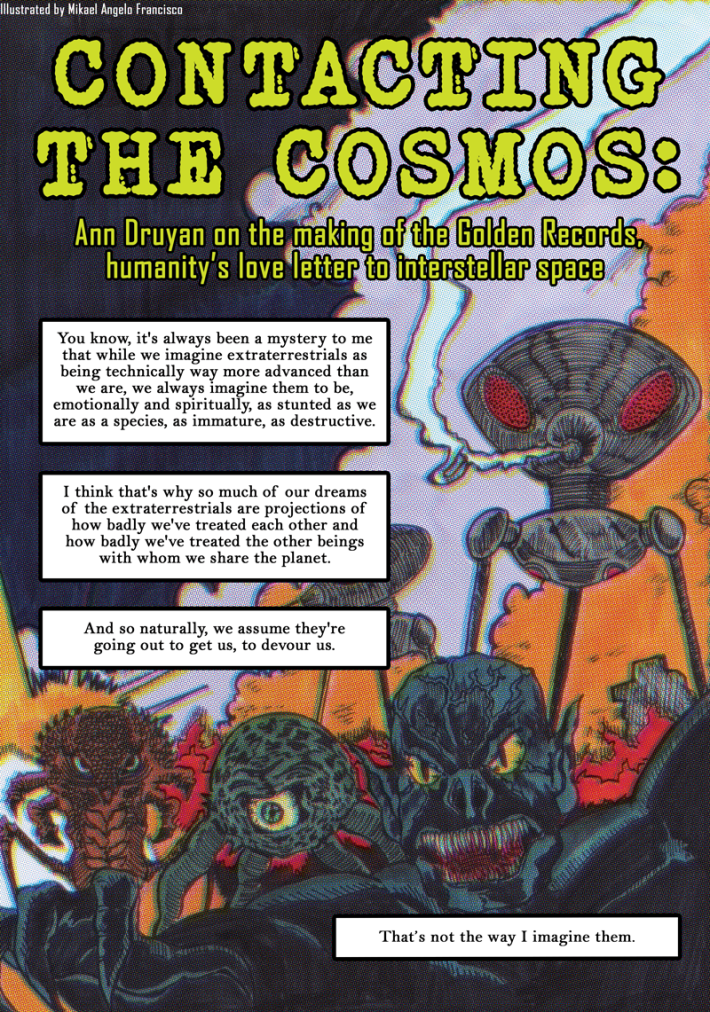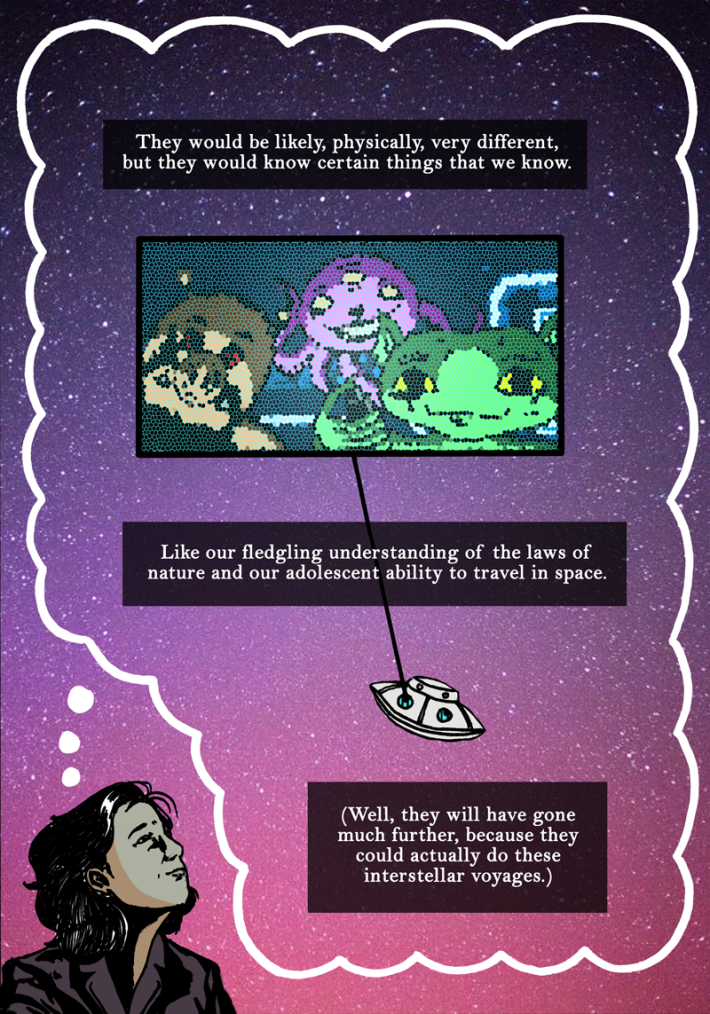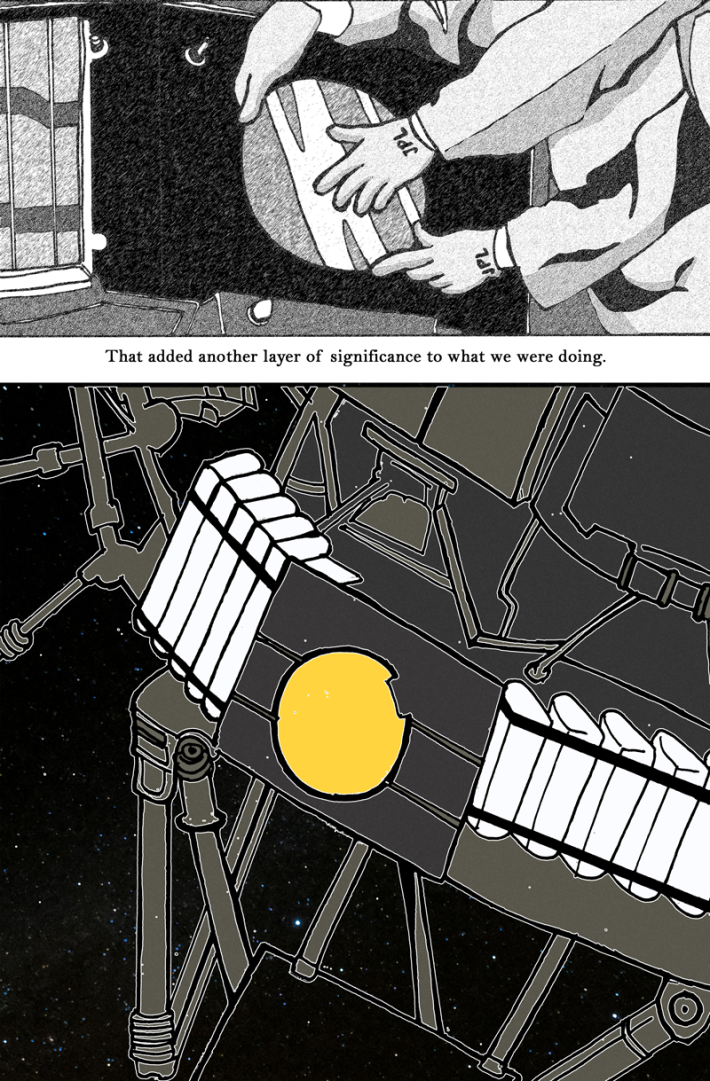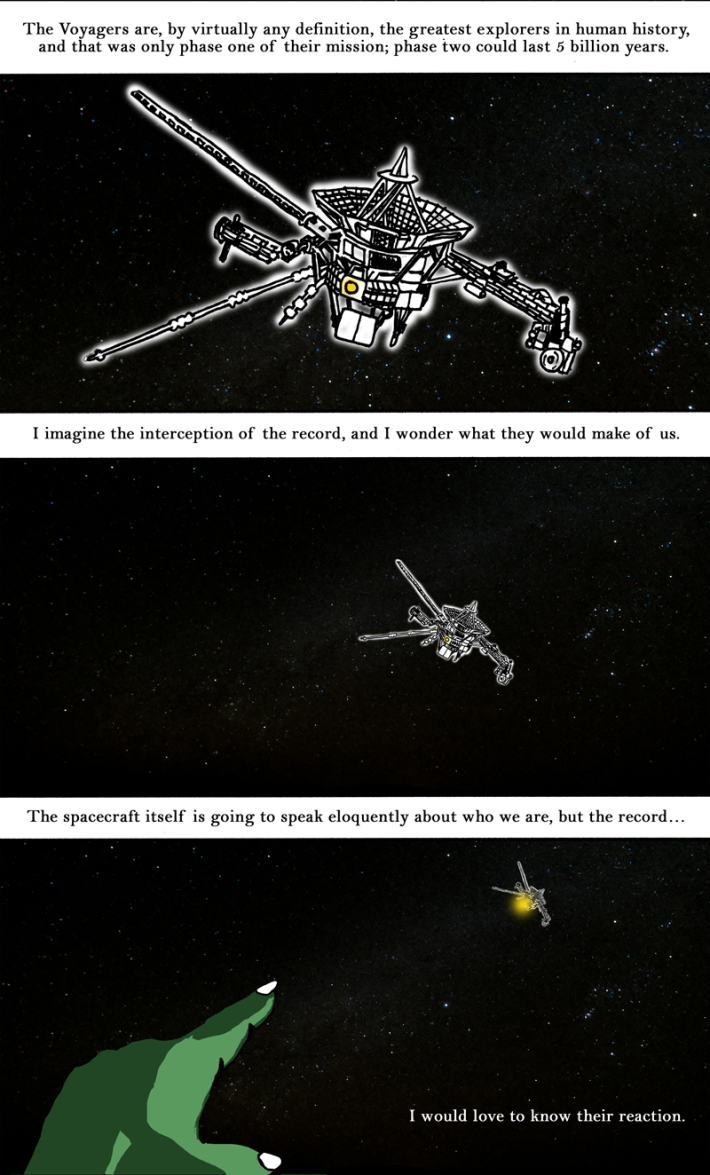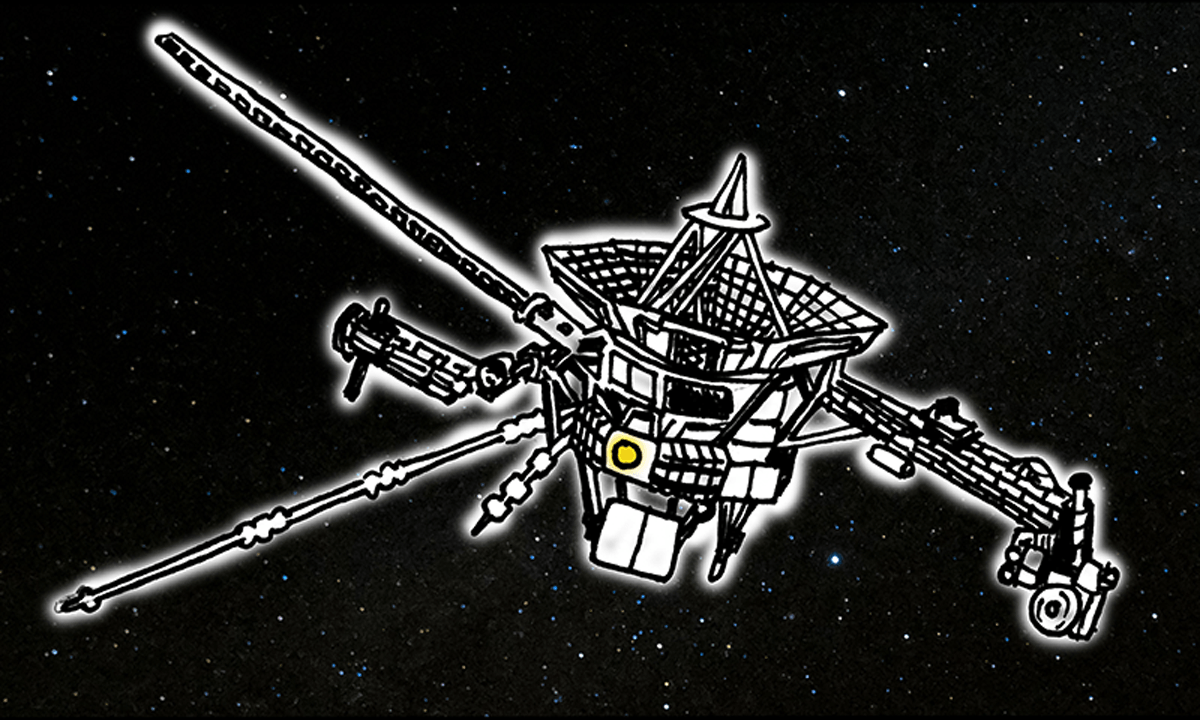
If there are other life forms across the cosmos, how could we possibly communicate with them? More importantly, what should we say? In 1977, NASA launched twin probes Voyager 1 and 2 on a mission to collect data from the most distant planets in our solar system. In each spacecraft, scientists embedded a special passenger: one of two identical copies of the Golden Record, a 12-inch golden plated copper audio-visual disk, designed to survive the harsh conditions of prolonged space travel.
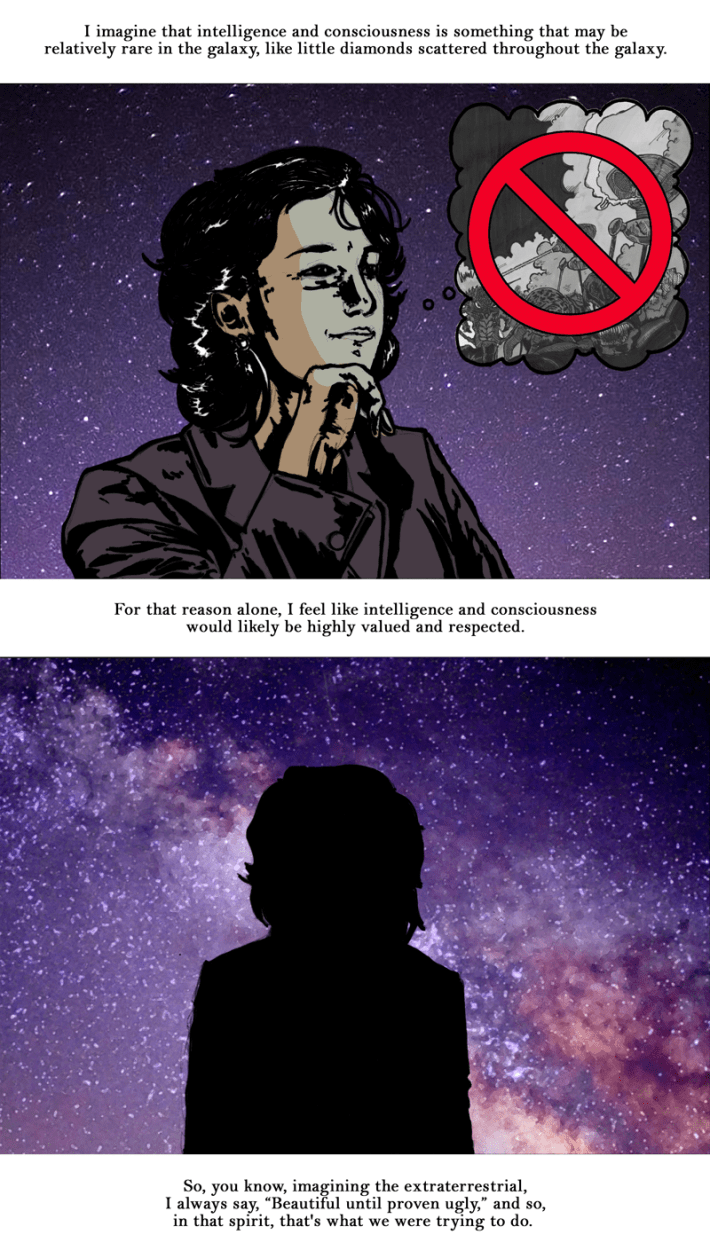
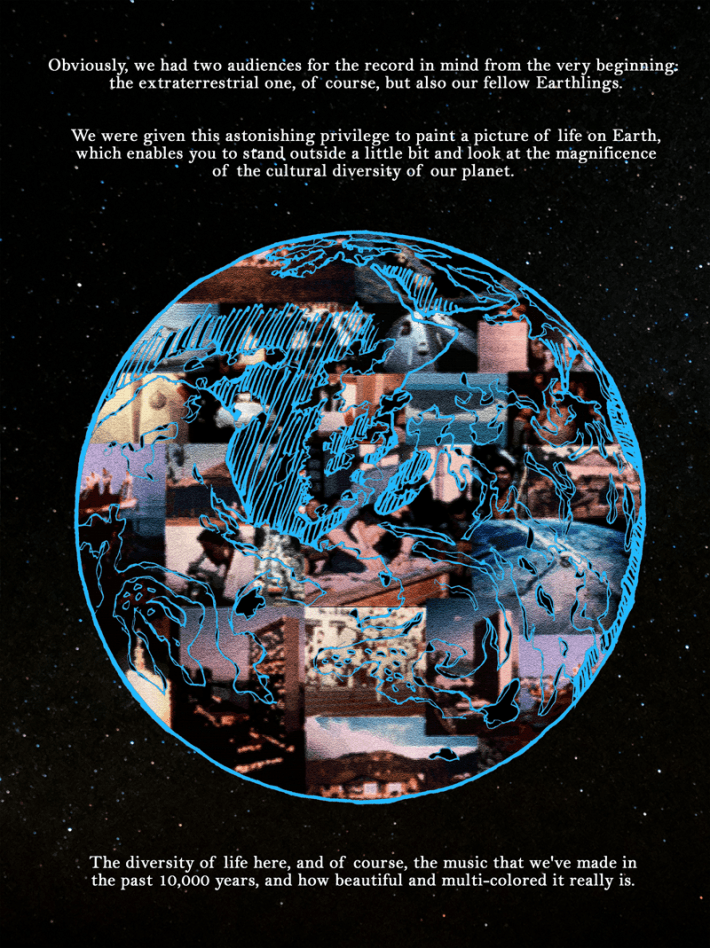
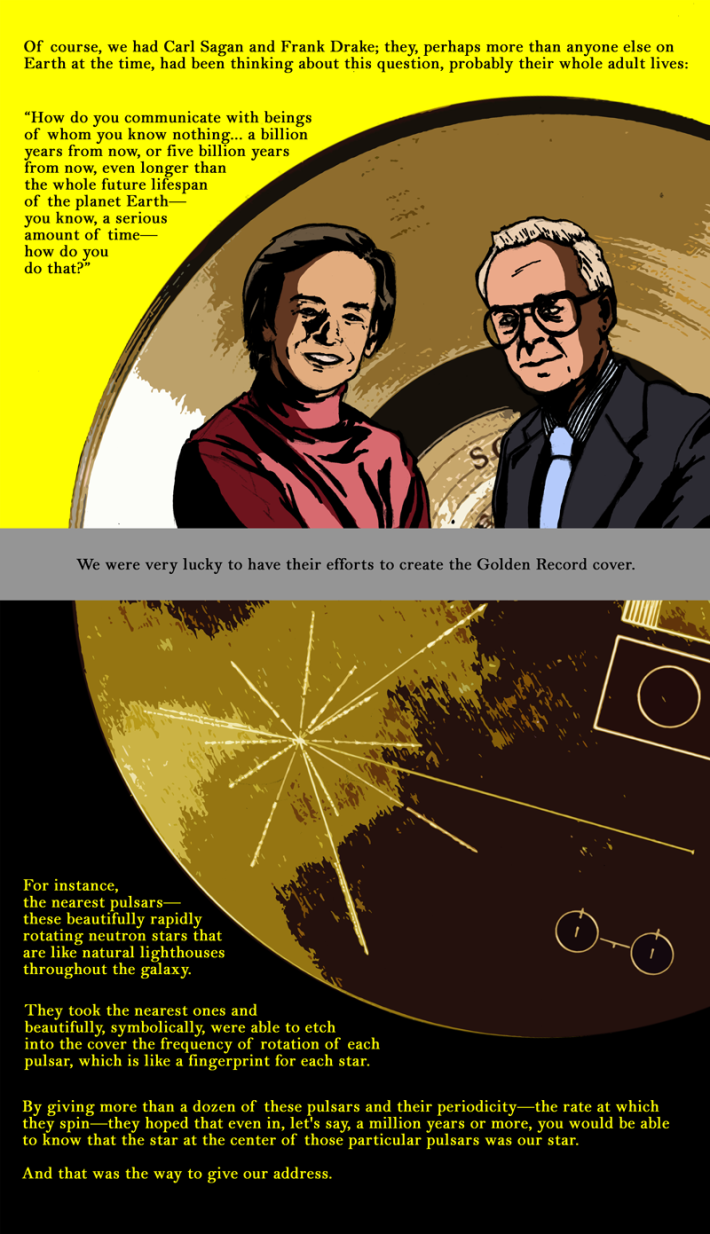
NASA’s Voyager Golden Record team, led by Carl Sagan, meticulously curated the cosmic time capsule’s contents: 115 images depicting Earthly life and culture, sounds from nature, such as thunder and whale song, a 90-minute compilation track of music clips from the 20th century, and greetings in 55 languages. Ann Druyan, a science writer and documentary producer and director, served as the creative director on the project. But how did she and her team determine what made the cut and what didn’t—a responsibility that, for such a momentous undertaking, could not have been easy? Druyan, who went on to co-write the PBS documentary series Cosmos and to marry its host Sagan, sheds light on humanity’s space-faring message to the universe—and what it says about us.