In the years since 2010, life expectancy in the United States has stagnated. From 2010 to 2019, longevity in our country has improved by only a few months compared to average gains of 1.78 years per decade in the half century preceding. It’s tempting to believe that through medical advances, better treatments, and expanded healthcare access, we’ve just reached the natural biological limits of life expectancy, but looking at the big picture tells a different story. While it’s true that other high-income countries have also seen slowdowns, the U.S. is lagging even further behind—and the gap is widening.
So what’s going on?
To answer that question an international team of public researchers examined mortality trends by birth cohort, or decade of birth, and published their analysis today in the Proceedings of the National Academy of Sciences.
Read more: “The Wisdom of the Aging Brain”
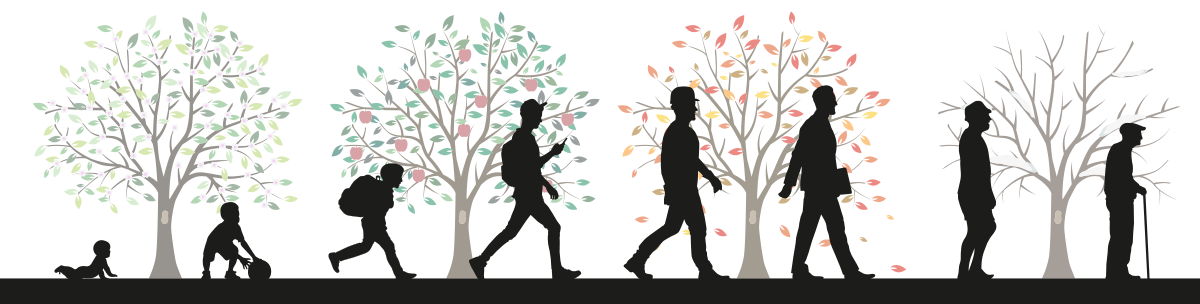
They found that the 1950s cohort—Baby Boomers—represent an inflection point in the data. In general, groups born before the 1950s show improving mortality rates, while those born after showed declines. While the Baby Boomer generation represented a transition generation, the team found declining mortality patterns within their cohort that have persisted for those born in subsequent decades.
There’s bad news for other generations as well. Zooming in on the data revealed troubling trends for those born since 1970, with deteriorating patterns in deaths caused by cardiovascular disease, cancer, and external causes compared with their predecessors. Additionally, since 2010 they discovered a slowdown in mortality improvements among all cohorts, driven primarily by cardiovascular disease.
Unfortunately, there’s no easy answer as to why the U.S. is struggling with mortality. The origins of cancer and cardiovascular disease—two leading causes of death—are, after all, complex and multifarious themselves. But the fact that we’re falling behind other high-income countries suggests there are societal factors at play, the authors say. If so, we could be looking at a long-term battle to make major systemic changes.
Hopefully we’ll live to see it through. 
Enjoying Nautilus? Subscribe to our free newsletter.
Lead image: Alex Darts / Shutterstock