Microbiology
Mapping the Human Exposome
It’s now possible to map a person’s lifetime exposure to nutrition, bacteria, viruses, and environmental toxins—which profoundly influence human health.

Resetting the Clock of Life
We know that the circadian clock keeps time in every living cell, controlling biological processes such as metabolism, cell division, and DNA repair, but we don’t understand how.

Creating a Census of Human Cells
New techniques make possible a systematic description of the myriad types of cells in the human body that underlie both health and disease.

Unveiling the Viral Ecology of Earth
Could viral infections, which modify and transform the functioning of individual cells, impact the balance of nature?

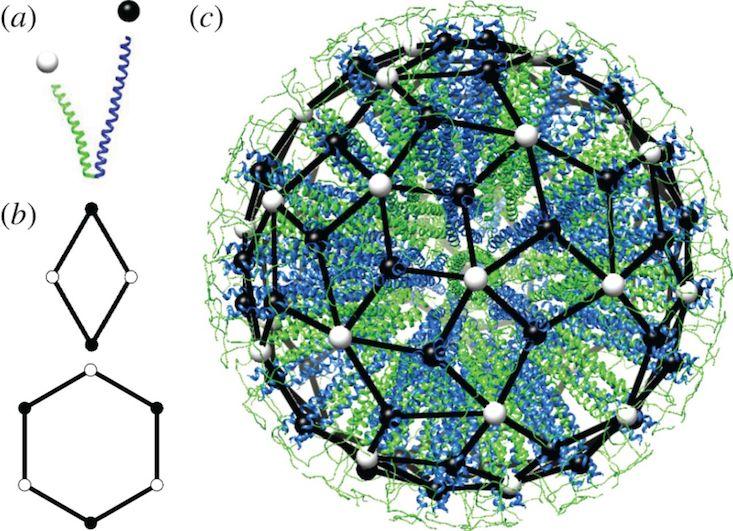

Unleashing the Power of Synthetic Proteins
The opportunities for the design of synthetic proteins are endless.

Why Do Jellyfish Glow?
A fluorescent protein helped researchers illuminate human cellular biology.
Authenticity in the Age of the Fake
As science blurs the real and unreal, we are learning to distinguish them in new ways.
How to Grow a New Model Organism
To develop new model organisms, scientists will have to find species that are easy to grow in the lab.

How Water Can Identify Murder Victims and Fake Scotch
These maps pinpoint an object’s origins by the isotope ratio in the water.

The Surprising Importance of Stratospheric Life
The science of bacteria in the atmosphere is getting its moment in the sun.