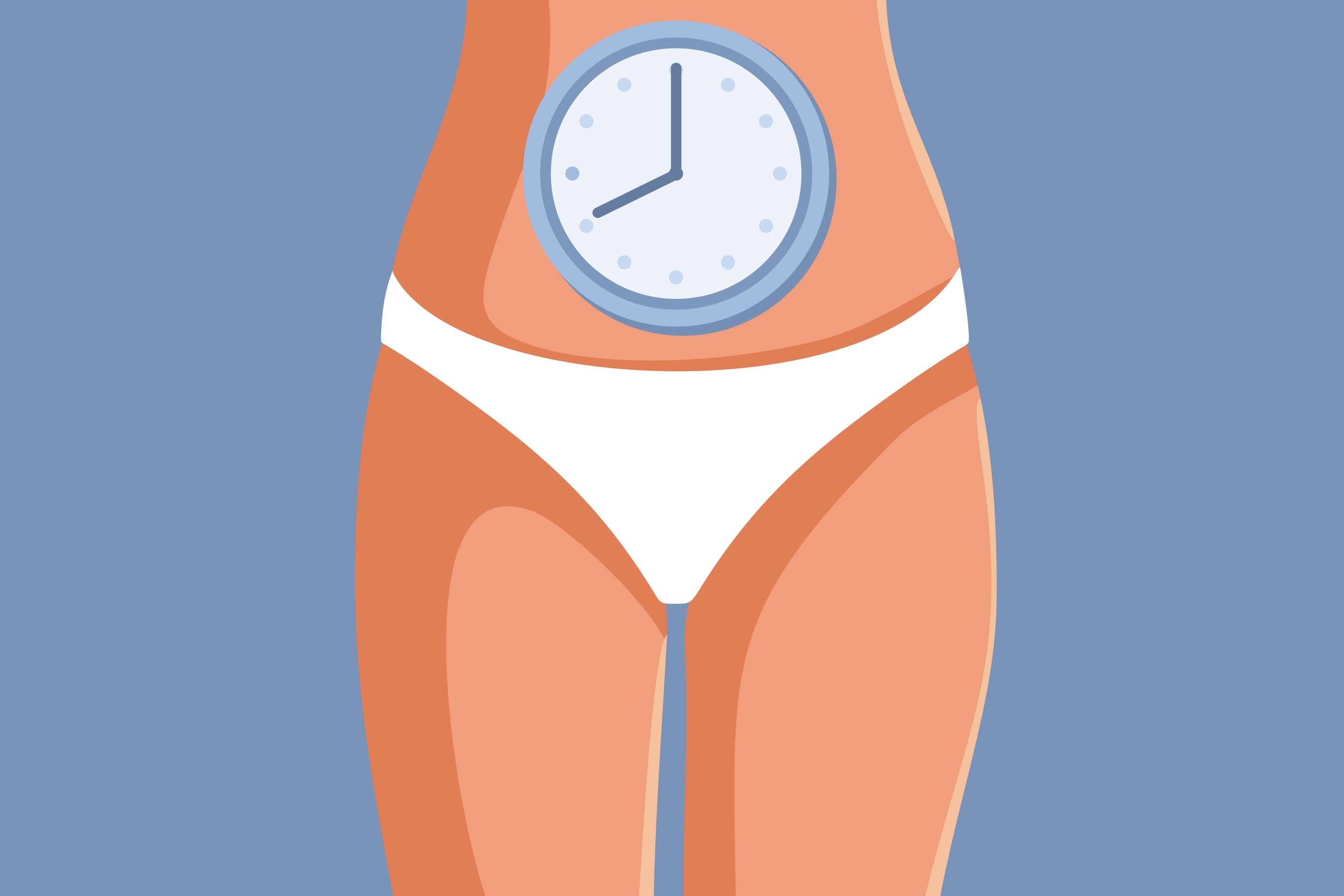
In the last few years, there’s been a lot of interest in calorie-restricted diets for weight loss.
These can vary significantly, from intermittent fasting (where you restrict eating to a certain window of the day), alternate day fasting (where you consume limited or no calories on every other day) to the Fast 800 which promotes rapid weight loss by drastically reducing calories with the “Mediterranean diet”.
The basic idea might seem obvious: reduce how much you eat, and you’ll theoretically lose weight.
But are they healthy? And will you just put the weight back on if you stop?

What Are Calorie-Restricted Diets?
The amount of energy you need each day varies based on your age, sex, body composition, how physically active you are, and any background health considerations.
Calorie-restricted diets aim to reduce a person’s overall energy (calorie) intake. And in certain instances, when managed carefully by health-care teams, there is evidence for their benefits beyond weight loss, including as an intervention before surgery.
The general aim is to eat less than the body uses, causing the body to draw on its stored energy—fat. Over time, this imbalance, generally using more energy than you eat, can lead to weight loss.
But these diets are not meant to be followed forever. Most involve a period of restricting calories, before transitioning to less restricted diet that helps you maintain a healthy weight long-term.
Diets Vary in How Restrictive They Are
For example, some diets recommend a moderate restriction: eating 500-600 fewer calories a day. This is like subtracting one take-away hamburger from your normal daily intake.
Very low calorie diets (also called very low energy diets) typically recommend eating less than 800 calories across the entire day.
These are medically recommended diets—for example, where short-term rapid weight loss before surgery could reduce someone’s risk of complications.
They require very close monitoring and support from a dietitian, to make sure they still get enough essential minerals and vitamins and don’t get malnourished.
Do Calorie-Restricted Diets Work for Weight Loss?
The short answer is yes—at first.
Research consistently shows calorie-restricted diets can significantly reduce weight and waist circumference.
They can also improve the way the body manages its blood sugar levels and cholesterol levels helping to reduce cardiovascular risk, particularly among people who are above a healthy weight or live with obesity or type 2 diabetes.
But a lot of the evidence for calorie-restricted diets comes from short-term studies of only 2-12 weeks.
Unfortunately, maintaining the weight change is much more challenging than achieving it in the first place. Many people regain some or most of the weight they initially lost, once the diet ends.
It’s Not Just About Will Power
Highly processed foods are cheap, convenient and everywhere around us. This makes long-term restrictive eating patterns very difficult to follow.
But there’s more to it.
Losing weight also triggers a range of adaptations as our body tries to restore it.
Basically, your body tries to defend against more weight loss. For example, as you lose weight, the hormones that regulate appetite change—often making you more hungry.
Meanwhile, you may also feel less full, and as your body becomes more energy efficient, it will burn fewer calories than before.
This doesn’t mean the body enters “starvation mode” as is often claimed on social media. But your weight loss slows over time, and hitting a plateau is very common. This can trigger some people to regain weight as motivation falters.
You Will Feel Hungry
For many people, the feeling of constant hunger is the main reason they don’t continue with calorie-restricted diets.
Feeling hungry all the time can impact your mood, sleep and your relationship with food. It can also be your body telling you something else is going on.
Constant hunger can indicate you’re stressed or have an underlying health condition.
So you should speak to your doctor if you feel like your appetite has increased or decreased for no reason, and especially if you also feel dizzy, very tired and also have difficulty concentrating.
If you have these symptoms, it’s likely your doctor will advise you to stop a calorie-restricted diet.
Should I Try One?
Calorie-restricted diets may be suitable for people above a healthy weight or with obesity, who wish to lose weight. For some chronic conditions, such as type 2 diabetes or arthritis, losing weight can also help manage the disease.
But they’re not recommended for:
- people who are pregnant or breastfeeding
- children and teens, without specialist supervision, or
- people with a history of eating disorders.
For most people, dietitians would recommend people focus on improving their overall diet and creating long-term habits, rather than simply cutting calories as aggressively as possible.
Healthy and Sustainable Weight Loss
The Australian government shares some key tips for managing a healthy body weight:
- limit foods high in salt, added sugar and fat, and limit alcohol consumption
- reduce portion sizes
- find enjoyable ways to be more active
- plan meals and snacks ahead of time
- eat mindfully and pay attention to hunger and fullness cues
- stay hydrated.
Dietitians also encourage strategies that maximise fullness, such as eating enough protein, and including fiber-rich foods such as vegetables, legumes and wholegrains.
Evidence suggests you’re more likely to stick to healthy eating if you focus on overall health rather than numbers, like what’s on the bathroom scale.
The Bottom Line
If you’re considering a calorie-restricted diet, it’s worth checking in with an accredited practising dietitian first.
They can help you to work out whether the approach is appropriate, ensure your nutritional needs are met, and develop a plan that supports not just weight loss, but keeps the weight off in the long term. 
This article is republished from The Conversation under a Creative Commons license. Read the original article.
Lead image: AGPhotography / Adobe Stock