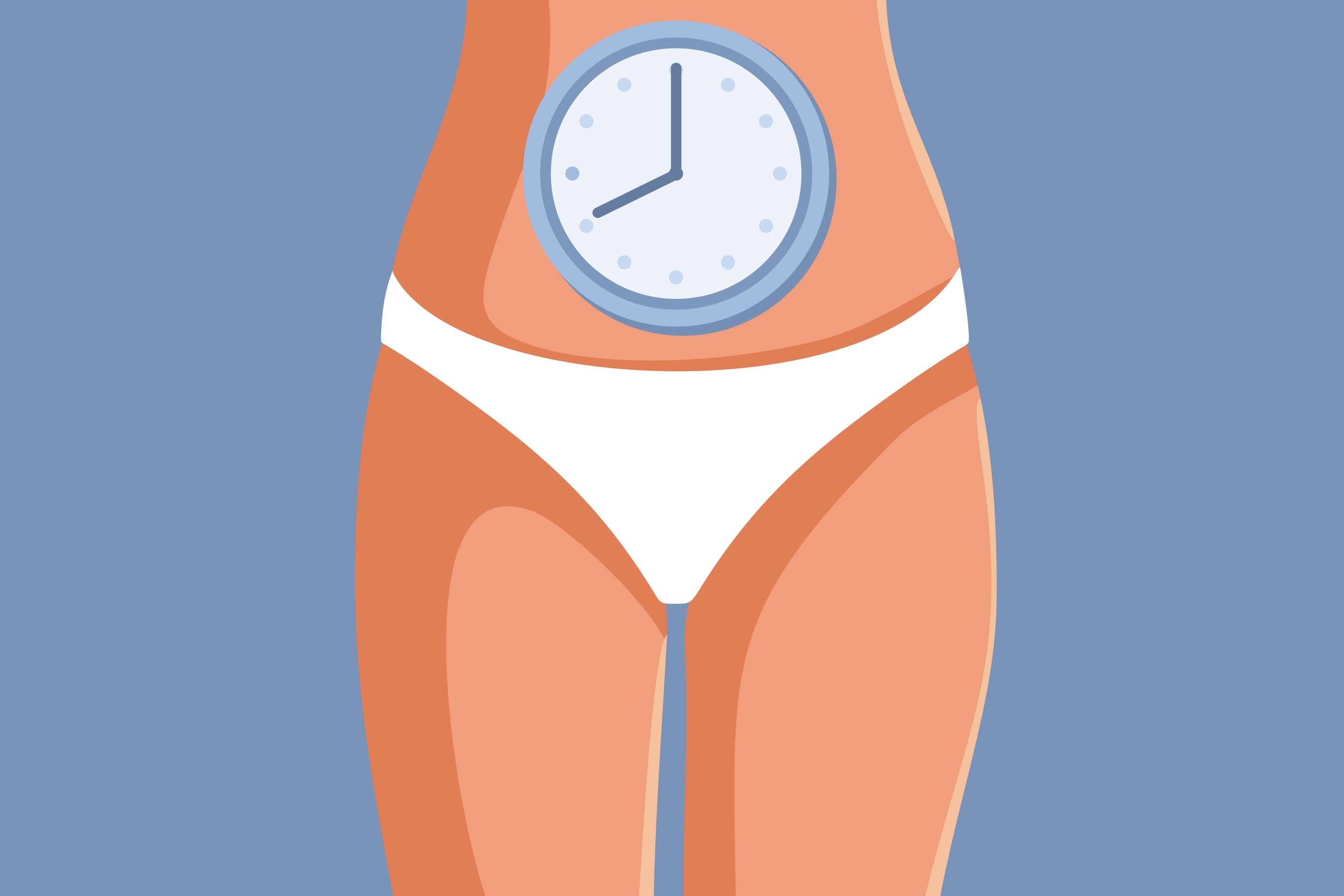
Around half an hour after you wake up, your body treats you to a spike in cortisol. It’s not just you either. Called the cortisol awakening response, this significant rise in the stress hormone occurs in almost all healthy adults. It works like so: Your hypothalamus sends a chemical signal to your pituitary gland which sends another chemical signal to your adrenal glands to release cortisol, and you’re off to the races.
Again, it’s a universal response—unless, as a study that came out earlier this year seemed to indicate, you’re a regular cannabis user. In that case, the study claimed, the hypothalamic-pituitary-adrenal axis can lead to a—forgive the pun—blunted cortisol awakening response. But now a new study published in the journal Cannabis is throwing cold (bong) water on that finding.
Read more: “You Can “Catch” Stress Through a TV Screen”
Researchers from Oregon State University recruited a mix of both regular cannabis users (three or more nights per week) and non-cannabis users and tasked them with collecting saliva immediately after waking and then 30 minutes later to record their cortisol levels. Unlike the earlier study, this one used cortisol readings taken on two consecutive days instead of one, which the researchers say gives them a more reliable measure. They failed to replicate the results of the earlier study, finding no significant differences between the cortisol awakening response of cannabis users and non-users.
What they did find was that regular cannabis users had an elevated basal cortisol level upon waking. So even though the increase in cortisol levels is roughly the same, people who use cannabis have a higher starting point. According to the researchers, these findings could still point to a disrupted hypothalamic-pituitary-adrenal axis among those who like to unwind with some form of weed.
“While acute cannabis use may alleviate stress, chronic use may disrupt the body’s ability to form adaptive stress responses, highlighting the potential long-term consequences of using cannabis as a coping strategy,” the researchers wrote.
Of course, they stress that more study is needed. With daily cannabis use now surpassing daily alcohol use among people who live in the United States, they’ll have plenty of opportunities. 
Enjoying Nautilus? Subscribe to our free newsletter.
Lead image: Soru Epotok / Adobe Stock