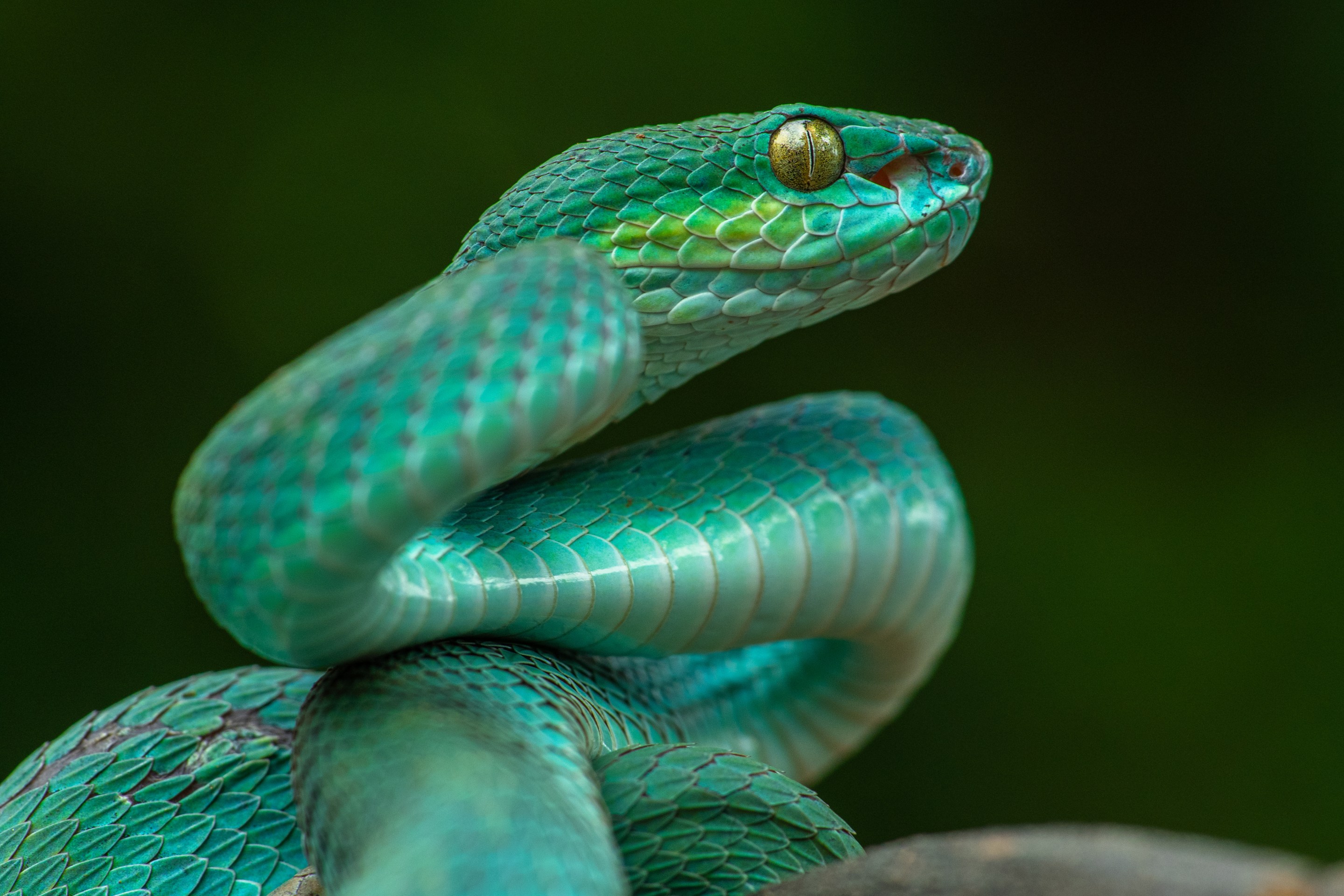
The largest snakes in the world, pythons, are found in Africa, Southeast Asia, the Philippines, Australia, and even Florida (albeit as an invasive species). Yet, despite being surrounded by countries where pythons thrive, the island nation of Taiwan has remained curiously bereft of the massive snakes, even in their fossil record.
Not anymore, though.
Paleontologists from National Taiwan University recently discovered a single python vertebra dating back 400,000 to 800,000 years to the Middle Pleistocene. The vertebra, identified by the enlarged, wedge-like zygosphene on top that locks the snake’s backbones together, indicates the animal it belonged to was over 13 feet long.
“This fossil represents the largest and most unexpected fossil snake from Taiwan,” the authors wrote in a study published recently in Historical Biology.
Read more: “The Ecologist Who Threw Starfish”
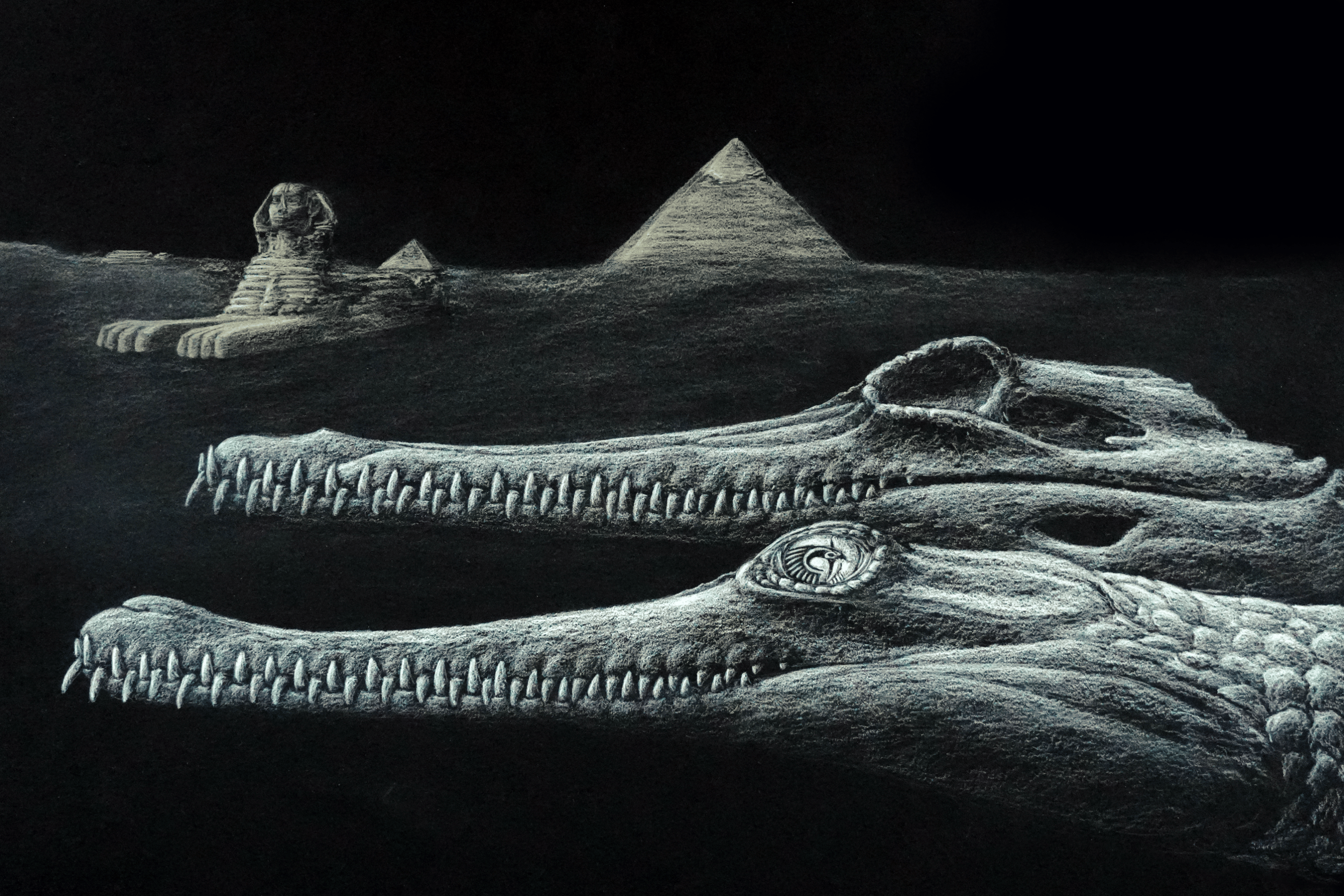
Although it’s only a single specimen, it’s enough to rewrite the ecological history of Taiwan, with some surprising implications. The giant prehistoric pythons of Taiwan lived alongside huge sabre-tooth cats (Homotherium) and colossal crocodiles (Toyotamaphimeia), both of which died out toward the end of the Pleistocene.
Now, researchers believe the same ecological upheaval that caused their extinction likely wiped out the pythons as well. Interestingly, when these superpredators vanished, no other animals stepped up to fill their role, the team says.
“The vanished top predator, as shown by this large python or previously published sabre-toothed cat and large crocodile, in the modern biodiversity of Taiwan, indicates a drastic faunal turnover,” the authors wrote. “We propose that the niche of top predators in the modern ecosystem may have been vacant since the Pleistocene extinction.”
Something tells us the other animals of Taiwan are just fine if the role goes unfilled indefinitely. 
Enjoying Nautilus? Subscribe to our free newsletter.
Lead illustration by Cheng-Han Sun