There’s a lot we don’t know about what lives beneath the oceans, and studying life there can prove difficult, especially at extreme depths. Many species can be shy, quick-swimmers, too fragile for nets, or otherwise elusive, making specimen retrieval tricky. Meanwhile, cameras and monitoring stations can disrupt the natural environment, and even provoke some species to attack.
That’s why many researchers studying ocean life opt to survey environmental DNA, or DNA from cells that organisms naturally shed into their surroundings. Now, a new study published in the journal Environmental DNA, details the ocean life living off Western Australia.
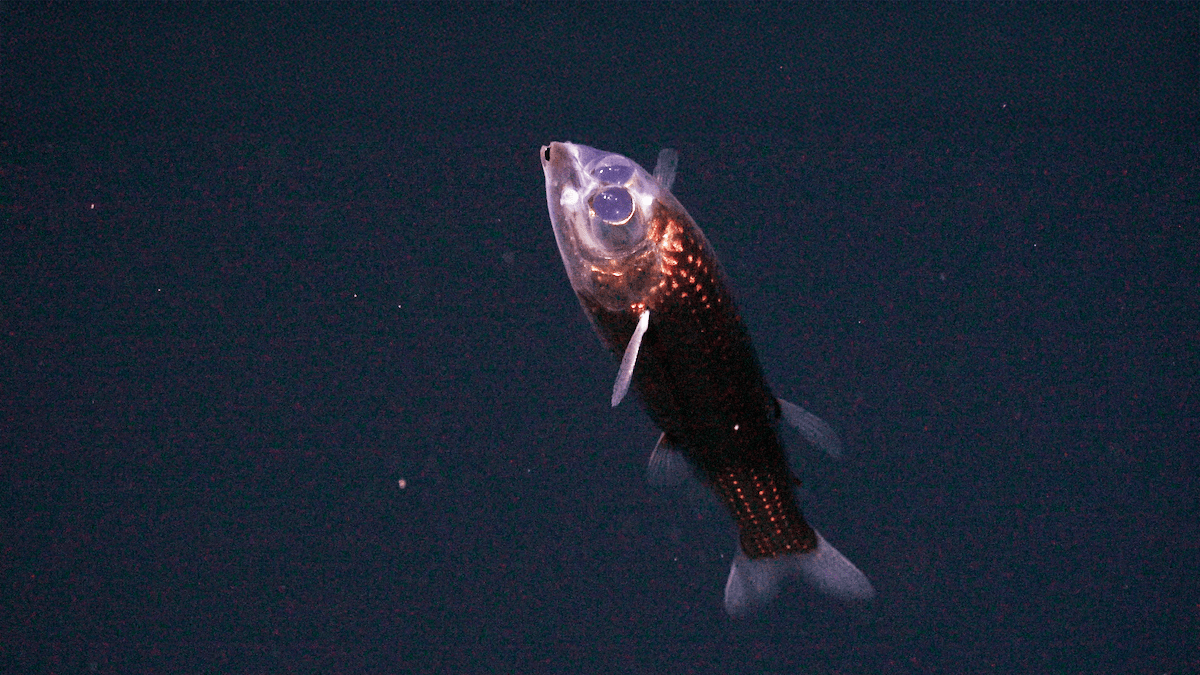
Researchers from Curtin University in Australia sampled more than 1,700 liters of seawater taken at various depths from the steep underwater canyons off the Ningaloo Coast. They found traces of the world record holder for the deepest diving mammal, Cuvier’s beaked whale, as well as the seldom seen pygmy sperm whale. They also detected several animals that weren’t known to venture into Western Australia’s waters, including the massive sleeper shark, the peculiar-looking faceless cusk eel, and the enigmatic slender snaggletooth.
Read more: “The Mystery of the Largest Light in the Sea”
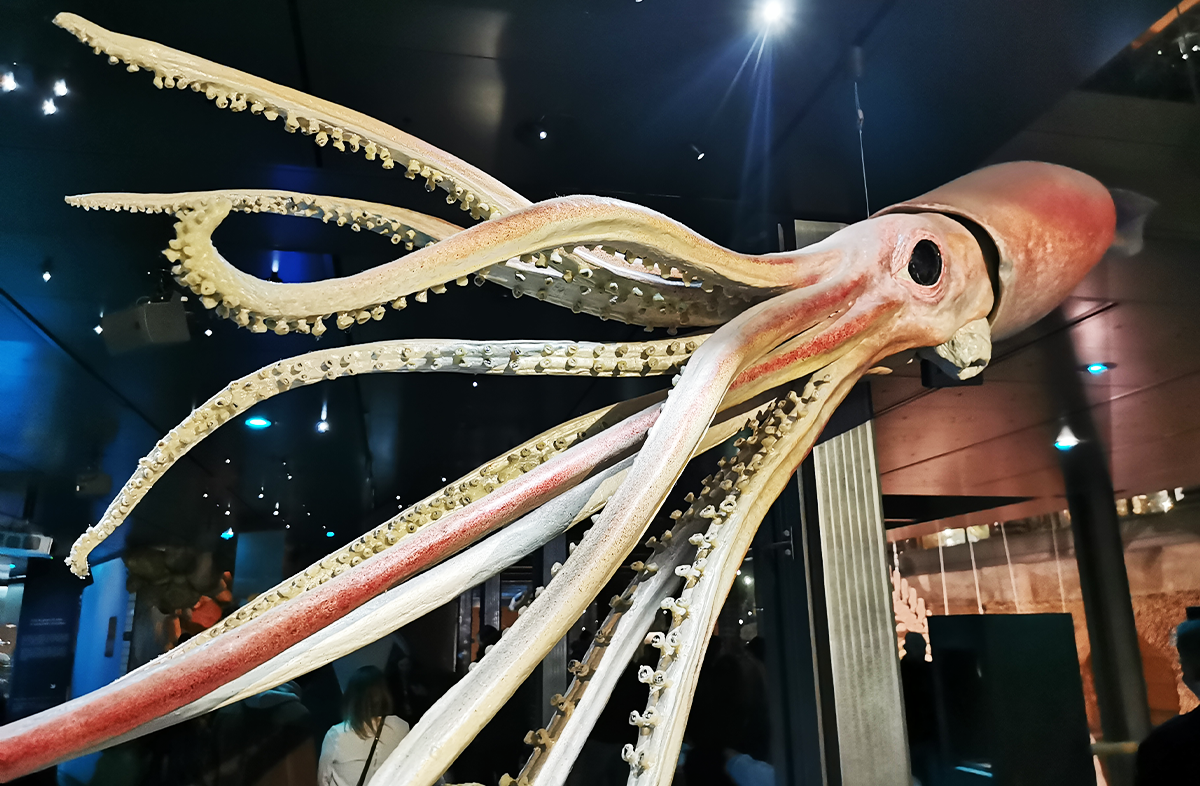
But their most dramatic find was DNA from the giant squid, Architeuthis dux. These immense cephalopods can grow up to 16 feet long and have eyes the size of dinner plates. Still, despite being so large and fairly ubiquitous in the oceans, they’re rarely seen. “This is the first record of a giant squid detected off Western Australia’s coast using eDNA protocols and the northernmost record of A. dux in the eastern Indian Ocean,” study author Lisa Kirkendale told the Sydney Morning Herald.
Altogether the team detected 226 species spanning 126 families, but what’s even more intriguing was that some of the DNA didn’t match any known ocean life. “We found a large number of species that don’t neatly match anything currently recorded, which doesn’t automatically mean they’re new to science, but it strongly suggests there is a vast amount of deep‑sea biodiversity we’re only just beginning to uncover,” study co-author Georgia Nester said.
We may only be scratching the surface of what lies beneath. 
Enjoying Nautilus? Subscribe to our free newsletter.
Lead image: Mgiganteus1 / Wikimedia Commons