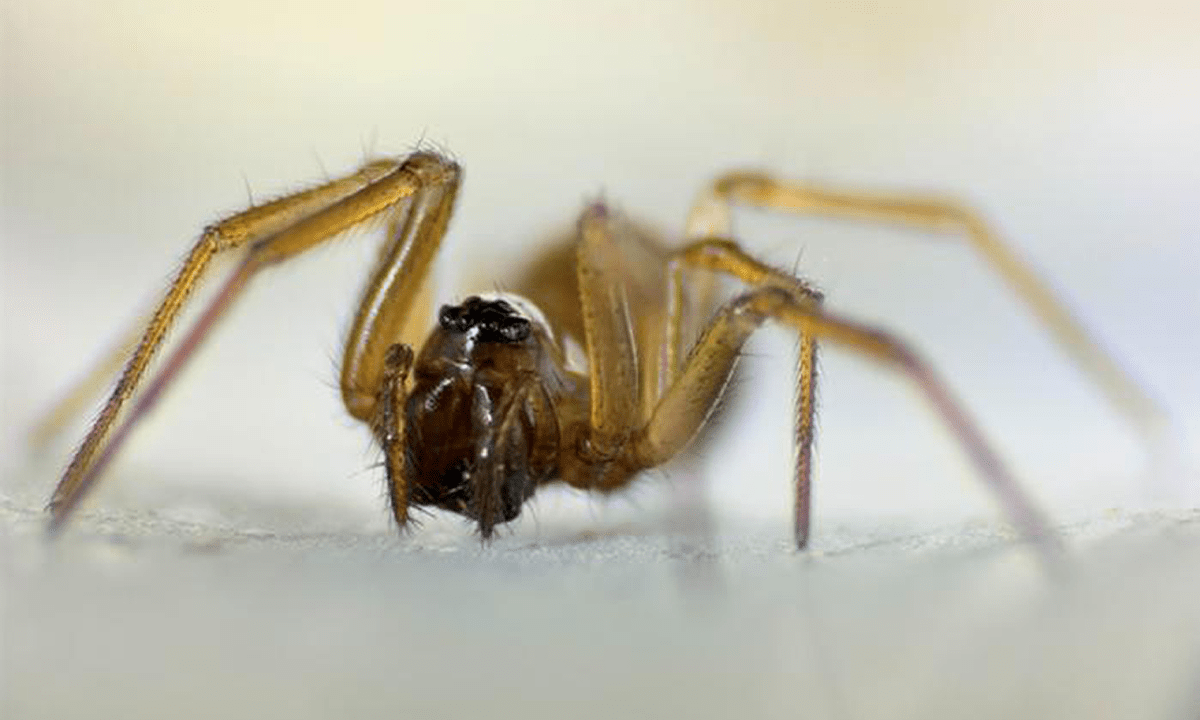
There’s a new chapter in the bizarre and ongoing story that is sex determination in animals, and it’s got an environmental twist. According to a new study published in Molecular Ecology, something as simple as a heat wave can disrupt the balance of male and female dwarf spiders.
Like many arthropod species, dwarf spiders are hosts to a mostly harmless kind of bacteria called Wolbachia, with a novel strategy for passing themselves on to new hosts. Because they can only be passed through the female line, the bacteria ensure their infected hosts produce only (or mostly) daughters. In the dwarf spider, it manages this by transforming any potential male offspring into females.
Read more: “The Sex Problem with Sea Turtles”
In natural populations of the dwarf spider, Wolbachia appear to be somewhat constrained, and Israeli and American researchers wanted to find out why. So they subjected juvenile dwarf spiders infected with the bacteria to temperatures a touch above 80 degrees Fahrenheit. While these offspring grew up to be females (like most spiders that carry Wolbachia), their offspring were much different. When the heat-treated female spiders laid eggs at normal temperatures (around 68 degrees Fahrenheit), those offspring grew up to be males—and the male-skewing effect even persisted in the next generation.
What exactly is going on?
According to the team, a heat-triggered transgenerational disruption in the spiders’ microbiome is to blame. After the simulated heat wave, Wolbachia populations temporarily increased, then declined. In their absence, a rival bacteria, Rickettsiella, surged. Because Rickettsiella is negatively associated with feminization, the researchers believe it somehow blocks the process, but the underlying mechanisms are still unclear.
In short: Nature is weird, sex-determination is weirder, and Wolbachia is downright bizarre. 
Enjoying Nautilus? Subscribe to our free newsletter.
Lead image: Rebecca Robertson, University of Kentucky