

Chances are, you like to start your day with a cup of coffee. Most American adults (two-thirds, by some estimates) drink the beverage daily, and that’s probably a good thing. Coffee is associated with a slew of health benefits, including a reduced risk of diseases like diabetes, Alzheimer’s, and Parkinson’s. Now a new study out of Finland is revealing how coffee affects our sex hormones and metabolism.
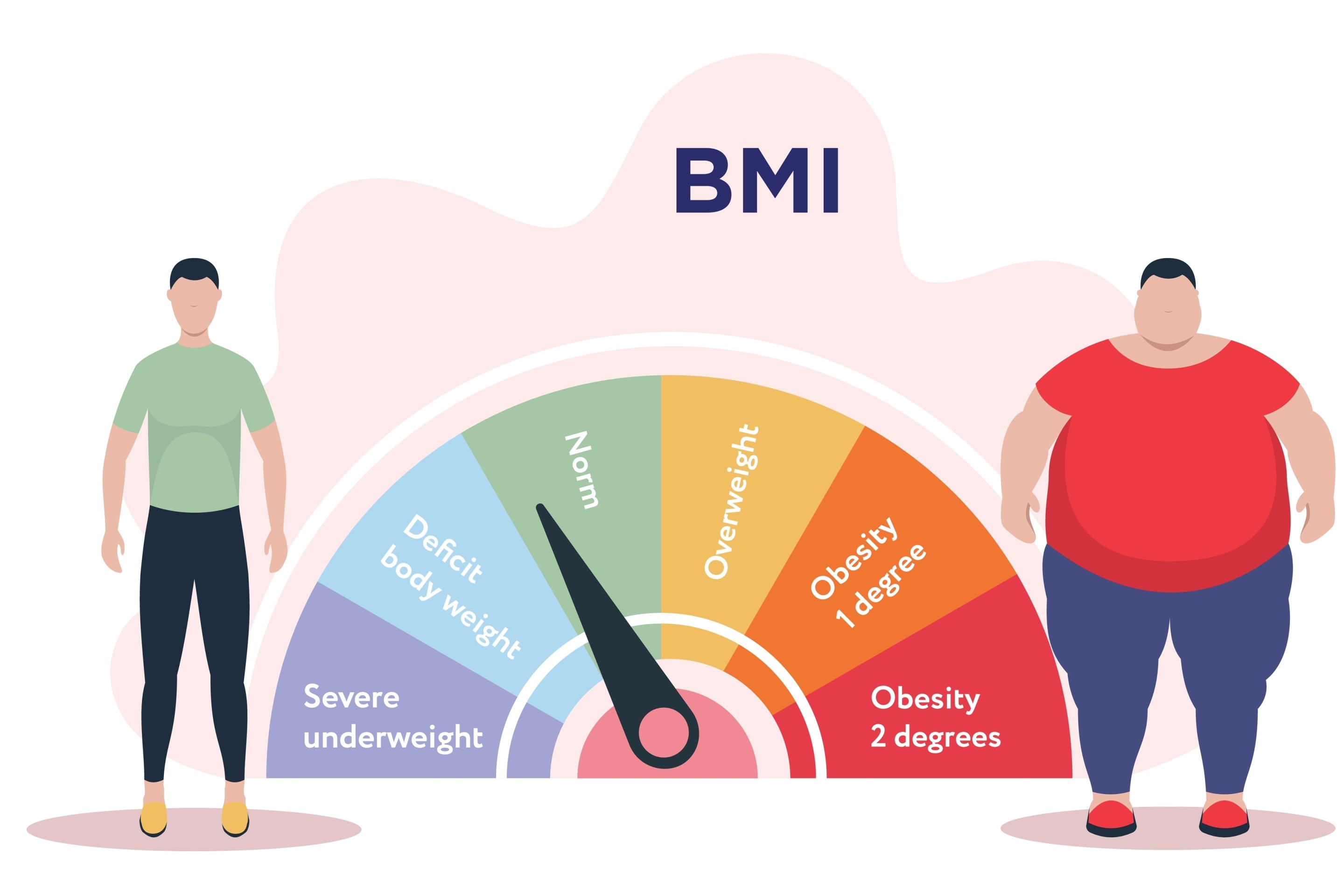
Biomedical researchers from the University of Oulu analyzed data from more than 2,200 middle aged adults, to investigate the circulating metabolites, cardiometabolic risk markers, and sex hormones of coffee drinkers. They found that heavy coffee drinkers had less total and visceral fat and more skeletal muscle mass (despite having similar body mass indexes). According to the team, this could be because caffeine ramps up the sympathetic nervous system, boosting resting metabolic rate, energy expenditure, and thermogenic lipolysis (burning fat to produce heat).
Read more: “The Beautiful Unpredictability of Coffee, Clouds, and Fire”
They also found some interesting sex-specific associations in men. Guys who drank more coffee had healthier glucose-insulin profiles, higher concentrations of bioavailable testosterone, and more sex hormone-binding globulin (SHBG). Their free testosterone levels, on the other hand, were slightly lower.
If that sounds a bit confusing, let me explain. Bioavailable testosterone is free testosterone (unbound to anything, typically at low levels) plus testosterone bound to albumin—it’s the “usable” form of the hormone. SHBG is one of the ways your body controls the amount of bioavailable sex hormones (including androgens like testosterone) by binding to and deactivating them.
According to the team, it’s possible that these hormonal pathways play a role in coffee’s association with a reduced risk of diabetes in both sexes. They discovered that women showed more modest hormone associations, slightly elevated SHBG, and lower measures of free androgens. Lower levels of SHBG have been linked to an increased incidence of type 2 diabetes in both women and men. Still, because this is just an observational study, they can’t draw any conclusions about cause and effect.
Let’s be honest, though: Regardless of what the research says, no one is going to suddenly start skipping their cup of coffee in the morning. 
Enjoying Nautilus? Subscribe to our free newsletter.
Lead image: tiero / Adobe Stock