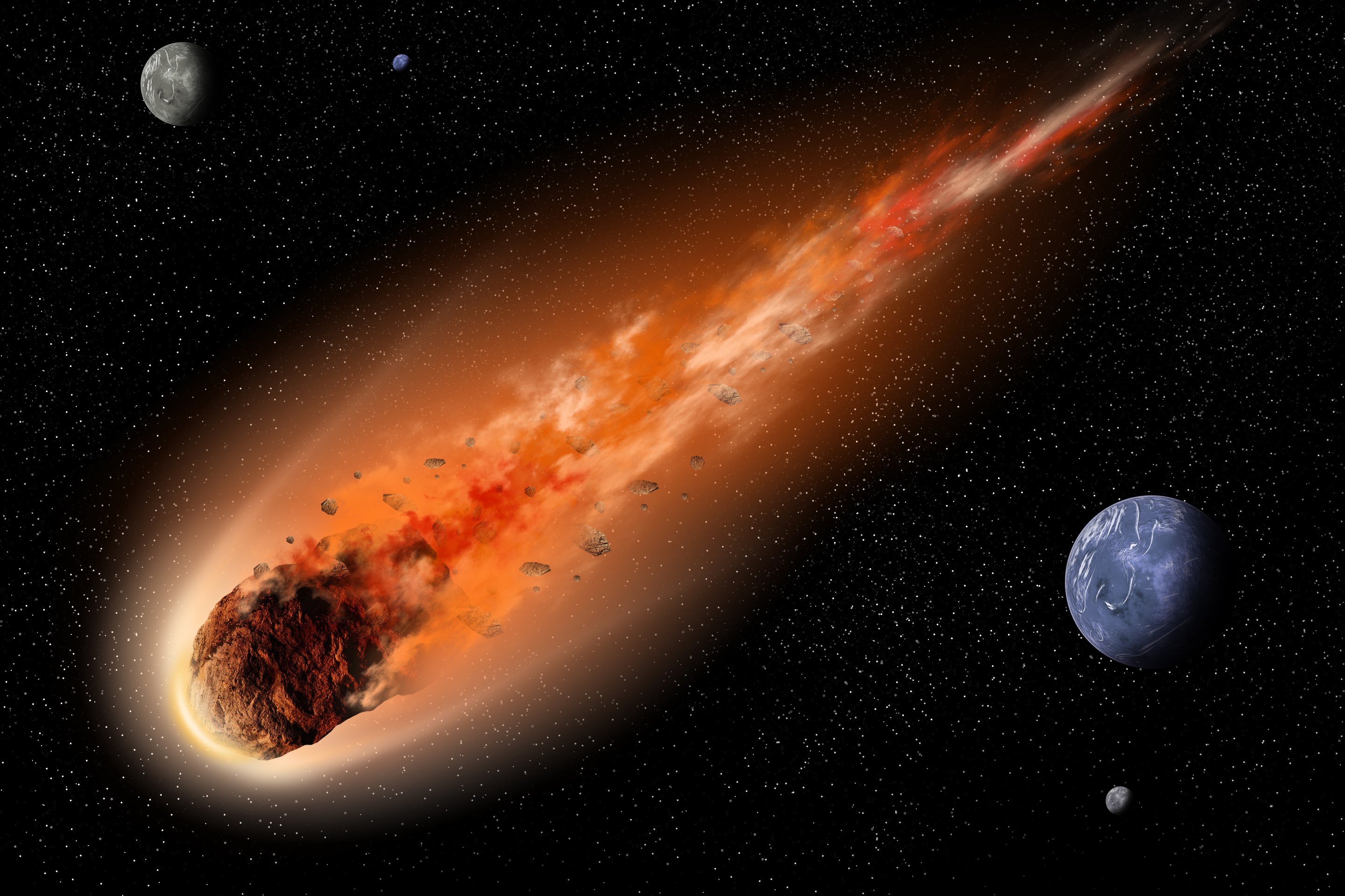
An asteroid the size of a blue whale will pass within about 56,500 miles of Earth sometime this evening. That, by itself, is not terribly remarkable. It’s close, for sure. About 24 percent the average Earth-moon distance. Smaller bodies near-miss our planet all the time. And asteroids of this size whiz past several times per year.
What’s noteworthy about this cosmic visitor is that humanity did not know of its existence until about a week ago. And yet, as I write this post, you can watch an animation of asteroid 2026 JH2 hurtling toward our general vicinity.
So how did this space rock evade detection until it was so close to our home? It turns out that humanity’s radar capabilities are somewhat compromised at the moment, according to University of California, Los Angeles, astronomer Jean-Luc Margot. “The Arecibo telescope collapsed in 2020 and NASA’s Goldstone antenna is down for major repairs for an extended period of time,” Margot told CNN in an email. “Without radar data, we are less capable of assessing the impact risk and we are more vulnerable to the impact hazard.”
Read more: “Asteroid Defense Gets Serious”
He continued to explain that very few—only about 1 percent—of Earth-skimming asteroids in the size range of 2026JH2 are ever flagged by astronomers.
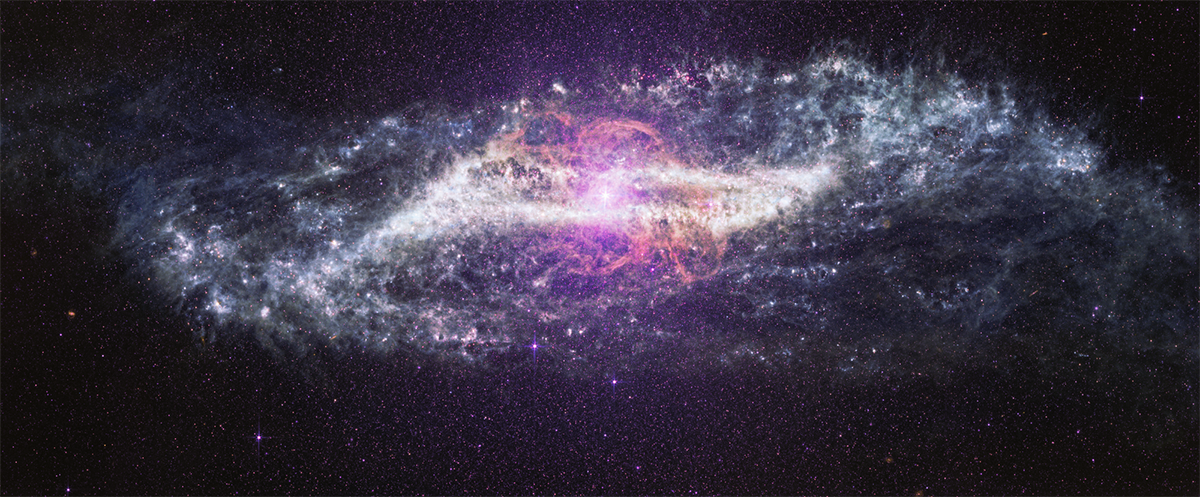
This is surprising. Especially when we hear that telescopes like the new Vera C. Rubin Observatory are detecting thousands of new asteroids since coming online last year. We also routinely receive updates on space telescopes, such as the James Webb Space Telescope, that are observing planets in incredible detail, detecting the universe’s first stars, and imaging cosmic jellyfish galaxies for the first time.
The universe seems to be brimming with discoveries.
But it also writhes with mystery. After all, science is still in the dark about 85 percent of the matter in the cosmos. And the farther out we can peer into the universe, the more uncertainties we seem to uncover.
It will be interesting to watch as a massive space rock flies past our planet this evening. All the more fascinating that we didn’t know of its existence until last week. It reminds me that space is vast and deep. And it still has many surprises to throw our way. Whether we’re ready or not. 
Enjoying Nautilus? Subscribe to our free newsletter.
Lead image: Iuliia KOVALOVA / Adobe Stock