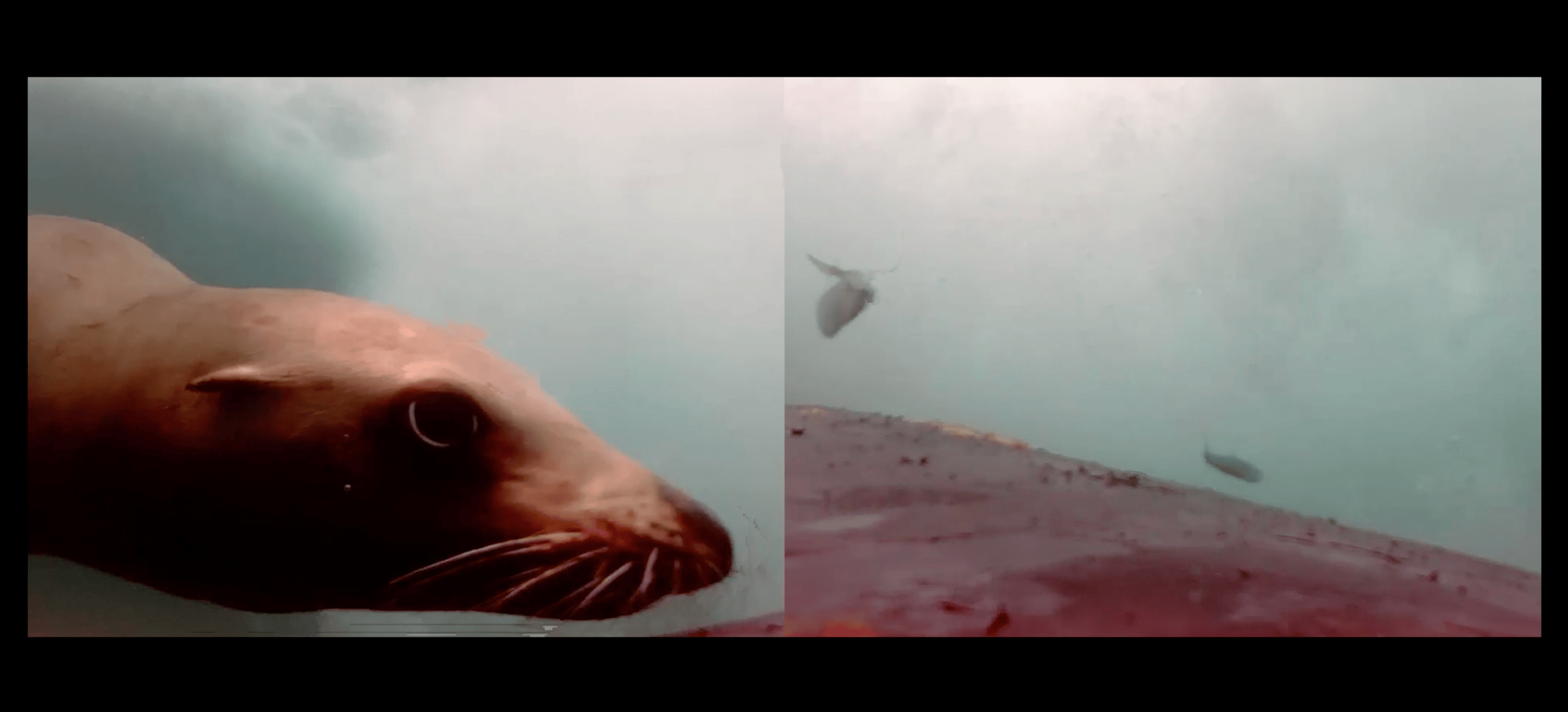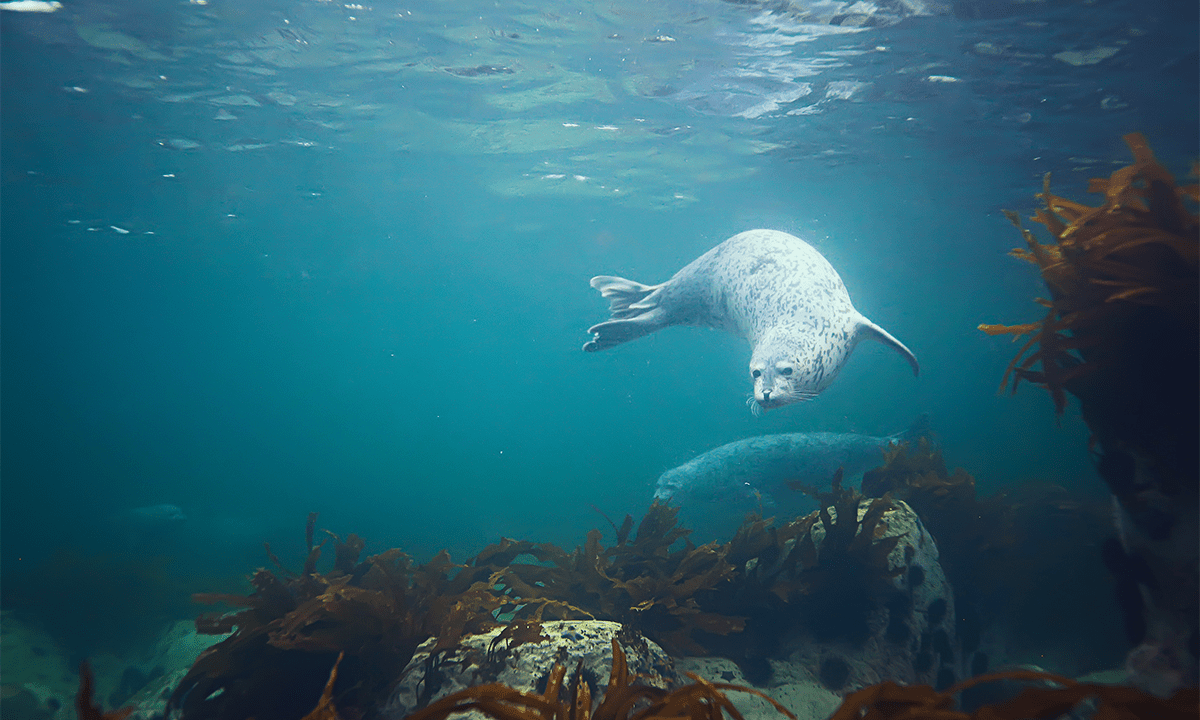
Diving is an incredibly demanding workout for seals, and they’ve developed a novel cooldown method. After bouts of deep dives foraging for fish to snack on, seals like to rest on the surface for a while, but that’s not the extent of their recovery. New research published in Frontiers in Physiology shows they take a more active approach on land.
Biologists at Deakin University in Australia outfitted fur seals with little “backpacks” of watertight instruments, including heart rate monitors and dive recorders to collect their activity. Seals have incredibly variable heart rates, and when they dive, they can slow down their heart to as little as 10 beats per minute. Once they were back on land, researchers expected their heart rates to normalize.
Instead, they found that the seals’ heart rates spiked once they were back on shore, but these spikes occurred up to 8 hours after they reached land. The researchers found a strong association between these accelerated heart rates on land and the seals’ slowed heart rates beneath the ocean, which suggests a link to the oxygen debt they incur on their diving excursions.
Read more: “The Divers Who Stretch the Limits of Human Biology”
The researchers believe seals crank up their heart rates to flush out the lactic acid—the byproduct of anaerobic respiration responsible for the burn you feel when you workout. At the same time, seals are likely replenishing the oxygen they used during dives. They also think seals may delay this active recovery period so they can focus on foraging and digesting their meals.
“Physiological recovery from oxygen debt is more protracted, complex, and occurs over much longer timescales than previously understood, with the elevated heart rate on land likely helping to support a delayed recovery,” study author Melissa Walker explained in a statement. “A key benefit of such high heart rates on land may be that seals can prioritize foraging while at sea, focusing on acquiring food and avoiding predators, and then allocate energy to processing and recovery once they return to land.”
So much for waiting 20 minutes to swim after eating. 
Enjoying Nautilus? Subscribe to our free newsletter.
Lead image: kichigin19 / Adobe Stock