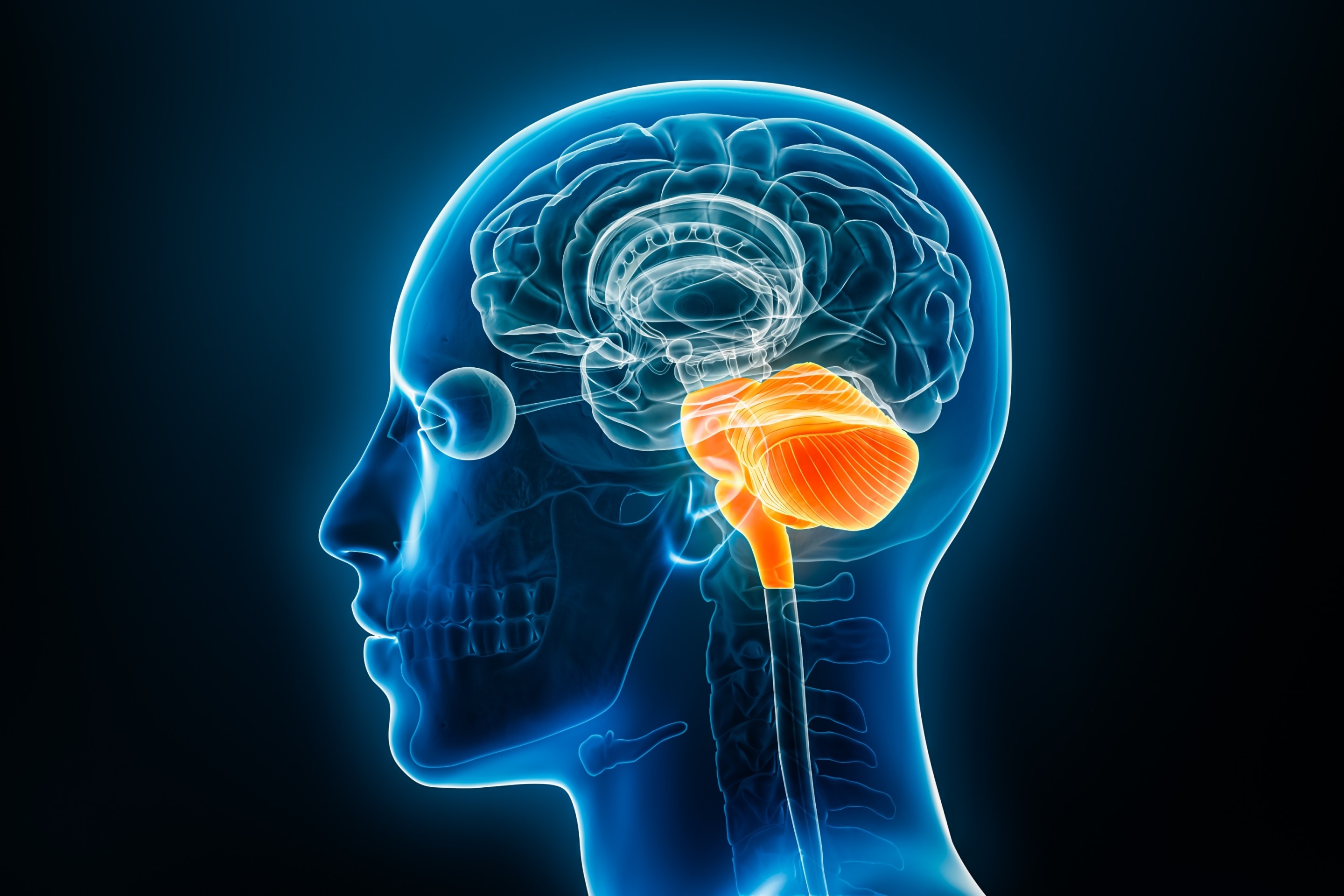
When your head hits the pillow for a good night’s rest, a number of changes take place in your body. Your heart rate and breathing slow, along with your brain waves, and your gray matter gets a nice, refreshing bath.
Cerebrospinal fluid surrounding the brain flushes out metabolic waste that’s accumulated during the day and passes it through the lymphatic system, leaving your brain fresh and clean when you wake up. This nightly neural jacuzzi is driven by a series of pulsations: cardiovascular pulsations from your heart in your arteries, respiratory pulsations in the veins and cerebrospinal fluid spaces, and slow vasomotor waves in the walls of blood vessels.
Now, for the first time, neuroscientists from the University of Oulu in Finland have developed a way to monitor this fascinating process, detailing the procedure in two separate studies.
Using ultrafast magnetic resonance imaging (MRI) they were able to measure these pulsations in healthy volunteers, directly and noninvasively, by tracking the movements of water molecules in the cerebrospinal fluid.
Read more: “Dream Engineering Could Help You Solve Problems While You Sleep”
The team found that while respiratory and vasomotor pulsations sped up during sleep, cardiac pulsations slowed down, which they believe reflects more efficient water filtration in neural tissue. They also discovered that the brain behaves differently during sleep. When you’re awake, blood flow follows neural activity, but during sleep this relationship can be reversed.
“During sleep, vasomotor waves in particular, slow pulsations below 0.1 hertz, begin to locally influence not only fluid movement but also the brain’s electrical activity,” Vesa Kiviniemi, an author on both studies, said in a statement.
The accumulation of waste products in the brain has been linked to memory disorders and other conditions, and the team says this new research could shed light on what happens when this system weakens with age.
“New measurement methods open up possibilities to monitor—and in the future potentially treat—age-related changes in brain fluid dynamics,” Kiviniemi said.
Until then, remember to give your brain a nice, relaxing bath with plenty of good sleep. 
Enjoying Nautilus? Subscribe to our free newsletter.
Lead image: Se / Adobe Stock