High up in the Andes Mountains lives a small mammal that holds an altitude record: the Andean leaf-eared mouse. Topping summits as high as 22,000 feet, this diminutive creature is found in places deemed uninhabitable by all other vertebrates due to low temperatures and scarce oxygen. A study published today in Science shows how its unique adaptations allow the leaf-eared mouse (Phyllotis vaccarum) to survive in such conditions.
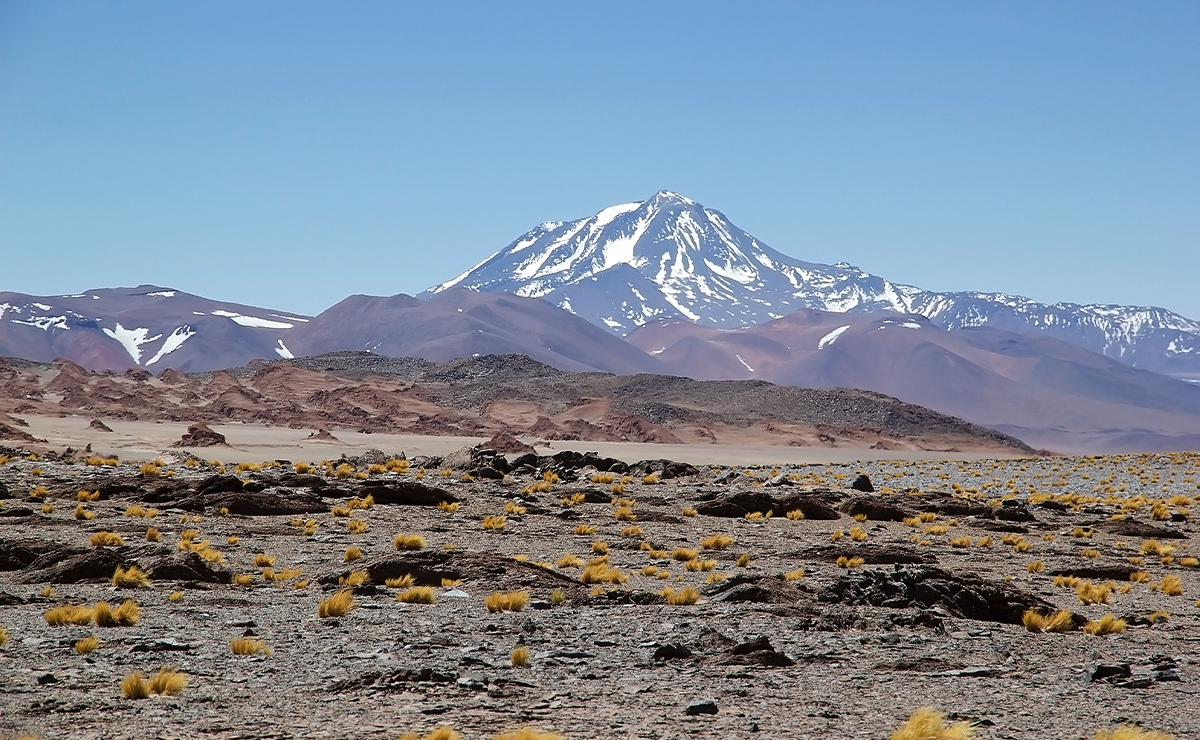
At their record elevation on the summit of Volcán Llullaillaco (22,110 feet), Andean leaf-eared mice encounter endless below-freezing temperatures and oxygen levels at 44 percent of sea level. So not only have they developed extra-large ears for communicating in ultra-high frequency squeaks in the lower-density mountain air, they must also have evolved ways to get enough oxygen to their cells for the metabolic activity required to keep warm.
In the new study, researchers compared genomes of 167 leaf-eared mice collected from lowlands at about 4,600 feet and highlands at about 14,000 feet. The mice were kept in frigid, hypoxic laboratory enclosures to see how their bodies responded to high-altitude conditions. The highland mice had greater maximal oxygen consumption than their lowland brethren. Their heat production (thermogenesis) was ramped up as well, with more activity of the enzymes that promote thermogenesis during shivering. The specialized heat-generating fat tissue of the highland mice was more metabolically active, too, and the highlanders showed activity in genes that protect the heart from hypertension when it’s pumping harder to move oxygen around.
Read more: “Living with Lab Mice”
“We discovered mechanisms of adaptation to hypoxic cold stress,” concluded the study authors, “and our experiments provide insights into the physiological features that make up an adaptive metabolic phenotype at extremely high elevations.”
But perhaps the most surprising aspect of Andean leaf-eared mouse adaptation to altitude was related to its diet. In high-altitude habitats, leaf-eared mice munch on lichens and other tough plants that harbor natural toxins as well as heavy metals in volcanic soil. The genomic analysis revealed the activation of several detoxification genes that help them metabolize these dietary toxins. Variation in the genes from high to low altitude mice indicates responses to the composition of plant foods, with the lower elevation mice favoring different detoxification metabolic pathways.
“The world’s highest-dwelling mammal has adapted to habitats at both the low—and high—elevation limits of its range, and much of the elevation-related selection relates to previously unappreciated aspects of feeding ecology,” concluded the study authors.
In other words, the leaf-eared mouse has found a way to survive both the highs and lows of life in the Andes. 
Enjoying Nautilus? Subscribe to our free newsletter.
Lead image: Maurizio / Adobe Stock