Kale is garnish. Kale is nutritious. Kale is a superfood. Kale is disgusting. These are all things that people have said (or at least felt) about kale. And they track the history of kale’s meteoric rise from decorative element to side dish to essential ingredient in everything from smoothies to salads back to forgettable culinary afterthought.
But now, a team of researchers have proposed a way to revive the fortunes of kale, making it more palatable and more nutritious. And all it takes is a little sauce.
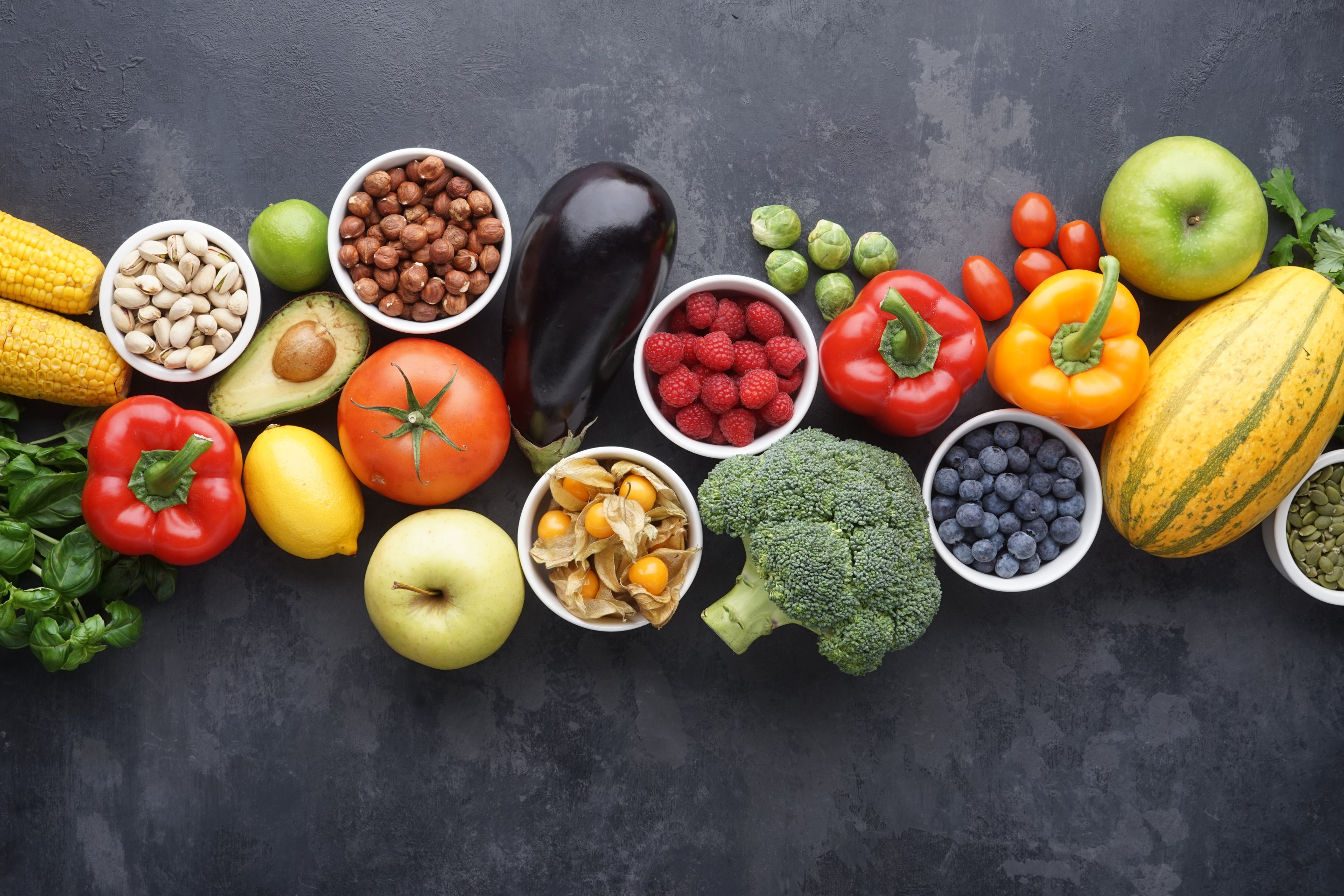
Despite its onetime status as a superfood, kale isn’t all that it’s cracked up to be, nutritionally. It turns out that the carotenoids, vitamins C and E, and other phytonutrients that the green is bursting with are not very absorbable by the human body. You see, those goodies have a hard time getting from the outside to the inside of our cells, where they can wield their beneficial health effects. “The problem is our bodies have a hard time absorbing these nutrients because they are fat-soluble rather than water-soluble,” Ruojie (Vanessa) Zhang, a food scientist at the University of Missouri and co-author of the paper, said in a statement.
So Zhang’s University of Missouri colleagues, along with one from the University of Massachusetts, cooked up an oil-based, emulsified sauce to pair with kale. In laboratory tests, they found that the sauce more than doubled the bioavailability of carotenoids, such as lutein, α-carotene, and β-carotene, in both raw and cooked kale.
Read more: “Fruits and Vegetables Are Trying to Kill You”
The insights from the study, which was published in Food Nutrition, could even apply to similar vegetables, such as Swiss chard and collard greens. “Our findings highlight a practical approach to improving the nutritional impact of kale and similar vegetables,” the authors write, “supporting the development of dietary strategies that maximize the health benefits of carotenoid-rich foods using food design approaches.”
But will consumers bite? The once ubiquitous and over-hyped vegetable has seen better days. Just six years ago, in a hotly debated article in The Atlantic, writer Amanda Mull declared the United States’ love affair with kale to be over. Citing a precipitous drop in fresh kale sales in 2017 and plummeting Google searches for recipes centered around the leafy green in 2019, Mull wrote that, “America might never have been that into kale in the first place.”
Ouch.
Although U.S. kale sales have actually rallied somewhat in recent years, the vegetable still suffers not only from bioabsorption issues but from a PR problem. I personally like eating kale, and I’ve grown it in my garden and enjoyed it for years. And now I know to pair it with a delicious oil-based dressing to improve its nutritional punch. The question is, can I get my kids to eat it? 
Enjoying Nautilus? Subscribe to our free newsletter.
Lead image: Anna Sulencka / Pixabay